Active people focused on protein
If protein is important in your snack, compare the figures per portion. The German Nutrition Society lists dairy products and pulses among its sources of protein, while dried fruit can provide the fruit element.


Think of dried fruit as the fruit element of your mid-morning snack, rather than assuming it’s a high-protein snack just because it’s in this category. One fig product listed by ALDI SÜD contains 3 g of protein per 100 g. If protein is important to you, check how much your actual portion provides and consider adding a separate source of protein.
If protein is important in your snack, compare the figures per portion. The German Nutrition Society lists dairy products and pulses among its sources of protein, while dried fruit can provide the fruit element.
Dried fruit can be a handy snack when you’re out and about and don’t have access to refrigeration. The key question is whether taste, pack size and the texture you prefer matter more to you than a high protein content.
When comparing options, read the ingredients list and nutrition information per 100 g and per planned portion. The Verbraucherzentrale (German consumer advice centre) points out that ‘no added sugar’ doesn’t mean sugar-free.
A good choice if: You mainly want a fruit snack to take with you and protein isn’t its main purpose.
Consider: REWE describes dried fruit as a food with concentrated sugars, so portion size remains important when comparing options.
A good choice if: You want the taste of fruit but also want to include a specific amount of protein in your snack.
Consider: Choose the additional source of protein based on its own nutrition information. The protein content of the dried fruit doesn’t replace this check.
| Criteria | What to check | Who it matters to |
|---|---|---|
| Protein content | Compare protein per 100 g and work out how much you’ll get from your planned portion. | If I prioritise protein in my mid-morning snack, I want to know how much my portion actually provides. Around 50% of consumers with this priority are likely to put protein content first. |
| Convenience and fruit flavour | Check the pack size and ingredients, and decide whether you prefer soft or freeze-dried fruit. | When I’m out and about, I want a fruit snack to hand that doesn’t need refrigeration; protein is less important to me. For around 30% of consumers, this convenient portion of fruit is likely to come first. |
| Sugar, ingredients and portion size | Check the sugar and energy per 100 g, the ingredients list and, if relevant, the sulphur dioxide labelling. | I want to know what’s in my portion and whether sugar has been added. Ingredients and portion size are likely to be the main considerations for around 20% of consumers making this choice. |
The fig product listed by ALDI SÜD contains 3 g of protein per 100 g. The amount in another type of fruit, or a smaller portion, may differ.
Check the protein content per portion for the specific product. If protein is a priority, consider adding a separate source of protein.
According to the Verbraucherzentrale, dried fruit can contain natural sugars even when no sugar has been added. The claim also tells you nothing about its protein content.
Compare the ingredients list and nutrition information per 100 g, and take into account the portion you plan to eat.
REWE points out that some dried fruit is treated with sulphur dioxide. This is particularly relevant when choosing a product if you know you’re sensitive to it.
Read the labelling on the specific product; don’t rely on the colour of the fruit alone.
Seeberger offers a range of dried and freeze-dried fruit.
REWE stocks dried fruit from a range of brands, including its own-label products.
Lidl sells nuts and dried fruit under the Alesto brand.
ALDI SÜD stocks dried fruit, including figs.
ALDI Nord features dried fruit as well as other food groups associated with protein.
This selection features mixes for a mid-morning snack, rather than dried fruit on its own. To check how they fit your protein goal, look at the nutrition information for each mix per planned portion.
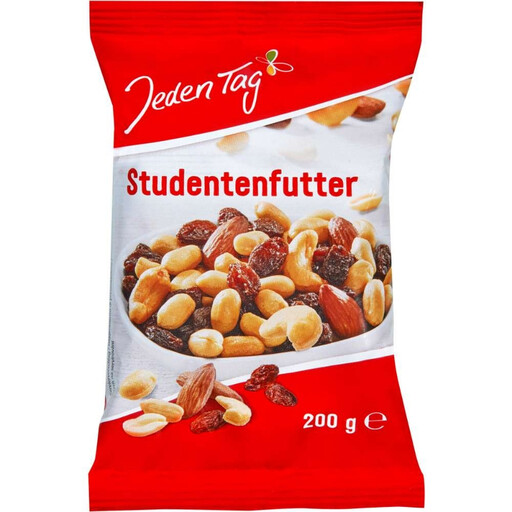 No image available
A nut and raisin mix for anyone who wants to combine fruit with other ingredients in their mid-morning snack.
Pack size: 200 g. Check the protein per portion, as well as the ingredients and allergen information on the pack.
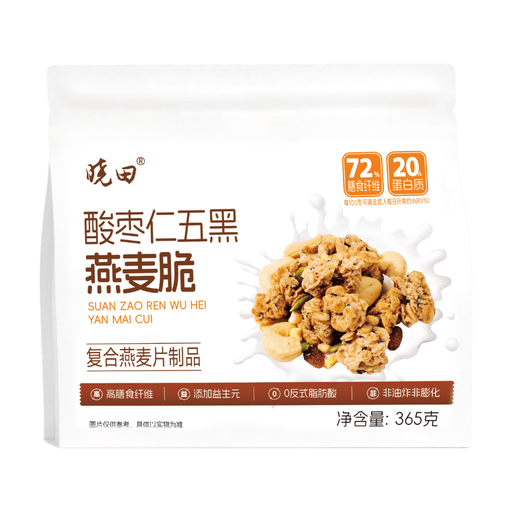 No image available
An oat snack for anyone considering a mix instead of dried fruit on its own.
Pack size: 365 g. Check the ingredients for the dried fruit you want, as well as the protein and sugar per portion.
Not necessarily: the protein content depends on the product and the portion size. One fig product listed by ALDI SÜD contains 3 g of protein per 100 g. If protein is a deciding factor for you, compare the amount in your portion with that in a separate source of protein you’ve chosen.
No. The Verbraucherzentrale explains that fruit’s natural sugars remain, even when no sugar has been added. The ingredients list and sugar content per 100 g can help you compare products.
Check the ingredients and labelling on the specific product. REWE points out that some dried fruit is treated with sulphur dioxide; colour alone isn’t a reliable way to decide.
Store it according to the instructions on the pack; REWE recommends keeping it in a cool, dry and dark place. Also check the best-before date and any guidance on how long to keep it after opening.