People planning their protein intake
You’d like to include a fruity snack without treating dried fruit as a source of protein. Compare the protein content of the specific mix with that of the other ingredients in your snack.


For snacks on the go, choose plain dried fruit as a fruity addition to a separate source of protein rather than as the main ingredient in a protein-focused snack. EDEKA and ALDI SÜD list 2.0 to 2.7 g of protein per 100 g for the plain dried fruit covered here. If you want the mix itself to contribute more protein, compare the nutritional information on the specific pack of nut and fruit mix, and check the sugar, ingredients and allergens too. Pack size and resealability also matter when you’re taking it with you – a small pack isn’t automatically a single portion.
You’d like to include a fruity snack without treating dried fruit as a source of protein. Compare the protein content of the specific mix with that of the other ingredients in your snack.
Whether it’s for the office, your commute or your gym bag, you want a handy pack and to know how much sugar your planned portion contains. The Verbraucherzentrale points out that removing water concentrates the sugar in fruit per 100 g.
The information on the individual pack is what matters to you, for example details about nuts or sulphur dioxide. The product name alone doesn’t tell you what a mix contains.
First decide whether you’d prefer plain dried fruit, a nut and fruit mix, or a crunchy freeze-dried option. Then compare the information on the specific pack: protein content answers a different question from texture or pack format for taking with you.
A good choice if: You’d like soft fruit on its own or as a fruity addition to a snack with a separate source of protein.
The trade-off: The plain dried fruit listed by EDEKA and ALDI SÜD provides 2.0 to 2.7 g of protein per 100 g; the amount in your chosen mix may differ.
A good choice if: You’re looking for crunchy fruit to take with you or use as a topping.
The trade-off: As the Verbraucherzentrale explains, this drying method also concentrates the sugar per 100 g. A crunchy texture doesn’t tell you anything about the protein content.
A good choice if: You want to combine fruit and nuts in one snack and compare the protein content of the whole mix.
The trade-off: The ingredients differ from those in plain dried fruit. Check the stated protein content and, if you have a nut allergy, the ingredients and allergen information on every pack.
| What matters | What to check | Who it matters to |
|---|---|---|
| Protein content | Compare protein per 100 g and for your planned portion; assess plain fruit and nut and fruit mixes separately. | If I want my snack to contribute to a high-protein diet, I don’t want to mistake fruit for the main source of protein. For around 40% of consumers, protein content is the key consideration when choosing. |
| Sugar and energy | Check the “of which sugars” and energy values per 100 g, and take into account how much you plan to eat. | When I’m out and about, I want to understand how the amount of fruit I choose fits into my food plan. Around 30% of consumers put sugar and energy content first. |
| Ingredients and allergens | Read the ingredients list and allergen information on the current pack, especially for nut mixes or products that may contain sulphites. | If an ingredient is relevant to me, I need to know what the specific mix contains before I eat it. This is the main buying consideration for around 20% of consumers. |
| Pack format for taking with you | Check the pack size and closure, and decide whether you’d prefer soft or crunchy fruit. | When taking a snack with me, I need a format that lets me take out the amount I want. Around 10% of consumers focus mainly on ease of use when choosing. |
The examples from EDEKA and ALDI SÜD covered here contain 2.0 to 2.7 g of protein per 100 g. So a fruity snack won’t automatically do the job if you’re choosing a snack primarily for its protein content.
Compare the protein content on the pack and, if needed, add a separate source of protein.
Fruit naturally contains sugar. The Verbraucherzentrale explains that removing water increases the sugar content per 100 g, so a claim on the front of the pack isn’t a substitute for checking the nutrition table.
Check “of which sugars”, the ingredients list and the amount you plan to eat.
For example, the dried mixed fruit described by EDEKA contains sulphur dioxide. A nut and fruit mix also has different ingredients from plain dried fruit.
Check the current ingredients list and allergen information for every option you choose, especially if particular ingredients matter to you.
Freeze-dried fruit has a different texture from soft dried fruit. However, according to the Verbraucherzentrale, removing water still concentrates sugar and energy per 100 g.
Choose a texture that suits how you’ll use it, and compare the nutrition information for the specific products.
Seeberger offers fruit mixes and freeze-dried fruit, giving you a choice of textures for a snack or topping.
An example of classic dried mixed fruit, with nutrition information and ingredients you can compare.
These REWE own-label ranges include both classic dried fruit and freeze-dried fruit.
Lidl’s own-label range includes dried fruit, nuts and snack mixes.
ALDI SÜD offers individual dried fruit products in different pack sizes under these own-label ranges.
This selection mainly features nut and fruit mixes, along with a freeze-dried jujube and sesame option. If you’re looking for a snack to take with you, compare the protein, sugar, ingredients and portion format for each pack. These products aren’t the same as plain dried fruit.
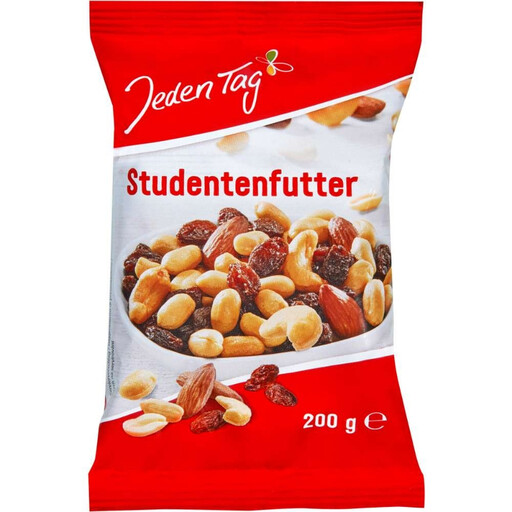 No image available
A nut and raisin mix for anyone who’d like to take a combination snack with them instead of plain dried fruit. Compare the protein and sugar content on the pack, check for nut allergens and consider how much you’d like to eat in one portion.
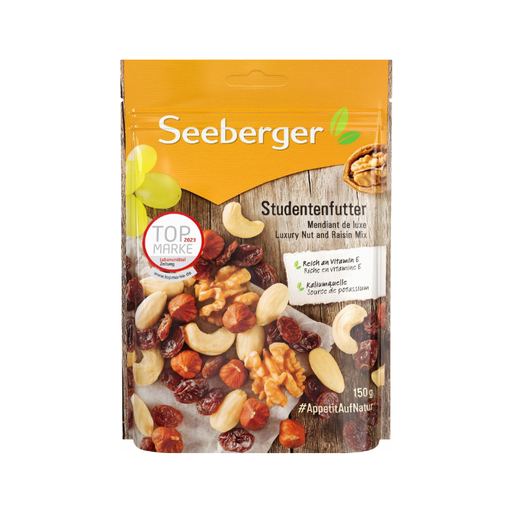 No image available
Trail mix could be a good choice if you want fruit and nuts in one pack. For this 150 g option, check the nutrition information, any nut allergens and whether the pack format suits the amount you plan to snack on.
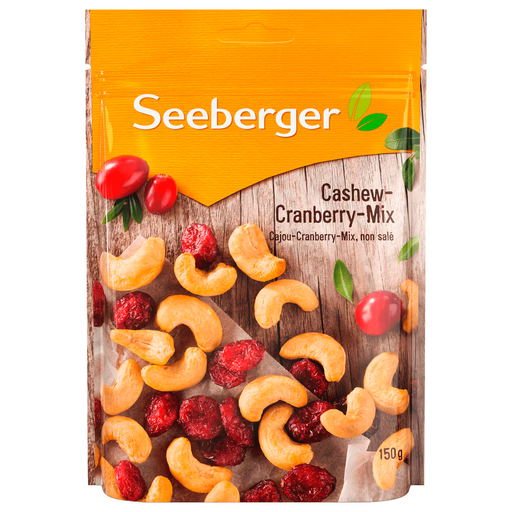 No image available
The combination of cashews and cranberries is a good fit if you’re looking for a fruit and nut snack. Compare the protein and sugar per 100 g, read the allergen information and consider how you’ll portion the 150 g pack.
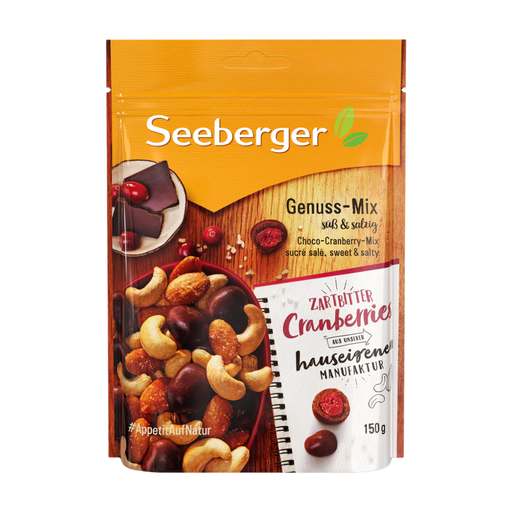 No image available
This nut and fruit mix is an option if you’d rather not snack on fruit on its own. As well as protein and sugar, check the full ingredients list and allergen information on the 150 g pack instead of assuming you know the exact recipe from the product name.
 No image available
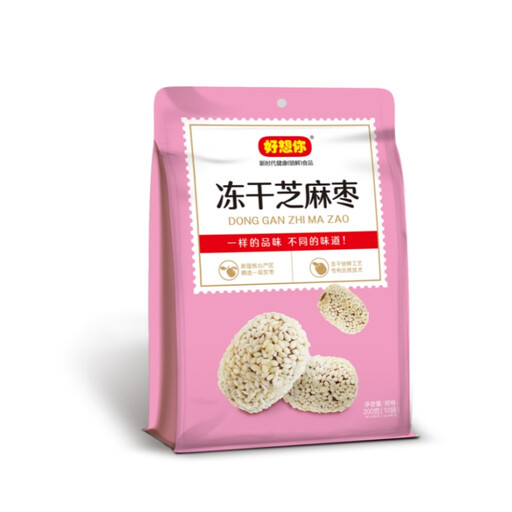
The jujube and sesame option is worth considering if you’d prefer a freeze-dried product to a soft fruit mix. Compare the protein and sugar using the current pack, and check the ingredients, sesame information and portion format. Take care when eating in case there are any fragments of stone.
The plain dried fruit covered here isn’t suitable as a main source of protein: EDEKA and ALDI SÜD list 2.0 to 2.7 g of protein per 100 g for the products mentioned. If protein is the main reason for choosing your snack, compare the protein content of the whole combination and add a separate source of protein if needed.
No. It doesn’t mean the fruit contains no sugar. The Verbraucherzentrale highlights the natural sugar in fruit and how drying concentrates it, so check the “of which sugars” figure in the nutrition information.
Freeze-dried fruit is a good choice if you’re looking for something crunchy or a topping. For a protein-focused choice, the protein content of the specific product still matters. The Verbraucherzentrale also points out that removing water concentrates the sugar per 100 g.
If sulphur dioxide, sulphites or nuts are relevant to you, check the ingredients list and allergen information on every pack. For example, the EDEKA mixed fruit covered here contains sulphur dioxide; you can’t assume the same applies to other dried fruit or mixes.