Anyone planning a holiday lunch around protein
For these shoppers, dried fruit is the fruit element; they plan their protein intake around an additional component suited to their lunch.


If protein is a priority at lunchtime during the holidays, dried fruit is best treated as the fruit element rather than the only planned source of protein. EDEKA lists 2.7 g of protein and 46 g of sugar per 100 g for its Herzstücke mixed fruit, while ALDI SÜD lists 3 g of protein and 55 g of sugar per 100 g for its figs. You can choose an additional protein source to suit your lunch; storage, ingredients and potential allergens also matter when deciding.
For these shoppers, dried fruit is the fruit element; they plan their protein intake around an additional component suited to their lunch.
They want dried fruit that’s easy to take along, so they compare pack size, ingredients and nutritional values for the portion they plan to pack.
For them, the ingredients list and allergen information are key, particularly if sulphur dioxide or sulphites affect their choice.
A good choice if: You’re mainly looking for fruit that’s easy to pack in a lunchbox.
The trade-off: If you want your lunch to include a specific amount of protein, you’ll need to choose an additional component to go with the fruit.
A good choice if: Protein is an explicit factor in your choice of holiday lunch.
The trade-off: Yoghurt or skyr needs to be kept suitably chilled when you’re out and about; with nuts, consider allergies and whether they’re suitable for children.
| Criterion | What to check | Who it matters to |
|---|---|---|
| Protein content | Compare protein per 100 g and per planned portion; if needed, plan to include a separate protein source. | If I want my holiday lunch around a workout to include a specific amount of protein, fruit on its own isn’t enough to guide my choice. For around 42% of shoppers, protein content is the main priority. |
| Sugar and ingredients | Check total sugar per 100 g, the ingredients list and, where relevant, any information about sulphur dioxide or sulphites. | When buying a mix, I want to know what it contains besides dried fruit and how much to pack. Ingredients and nutritional values are the main concern for around 33% of shoppers. |
| Convenience for everyday use | Check the pack size and how easy it is to portion for a lunchbox or day out. | For a day out, I want to be able to pack the fruit element without much preparation. Around 25% of shoppers value this practicality above all. |
EDEKA lists 2.7 g of protein per 100 g for its Herzstücke mixed fruit, while the ALDI SÜD figs in question contain 3 g per 100 g. If you’re planning your lunch with protein as the sole focus, don’t mistake these figures for the contribution from an additional protein source.
Compare the protein values on the specific products on the same basis, and plan the fruit separately from your intended protein intake.
This claim doesn’t tell you how much sugar the finished dried fruit product contains overall. Seeberger’s range also includes sweetened fruit, as well as products labelled accordingly.
Check the total sugar in the nutritional information and read the ingredients list for the individual product.
The EDEKA mixed fruit described here is partly treated with sulphur. Fruit and nut mixes also include the ingredients and allergen information for their other components.
Check the label on the specific pack before putting it in your bag, especially if sulphur dioxide, sulphites or nuts affect your choice.
The range includes a variety of dried fruit and mixes.
The mixed fruit described here combines several varieties of dried fruit.
Lidl’s own brand includes nuts, dried fruit and snack mixes.
The ALDI SÜD range includes dried fruit such as figs.
These mixes combine dried fruit and nuts, making them a handy option for a holiday snack on the go. If you’re planning a lunch with protein in mind, compare the nutritional information and check the ingredients and allergen details for each product.
 No image available
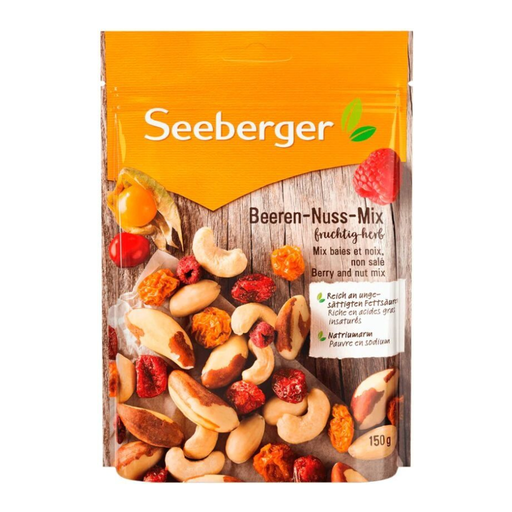
A berry and nut mix that’s easy to take along for a fruit snack. For children under four, bear in mind the warning about the choking hazard from nuts; check the ingredients and allergen information before buying, too.
 No image available
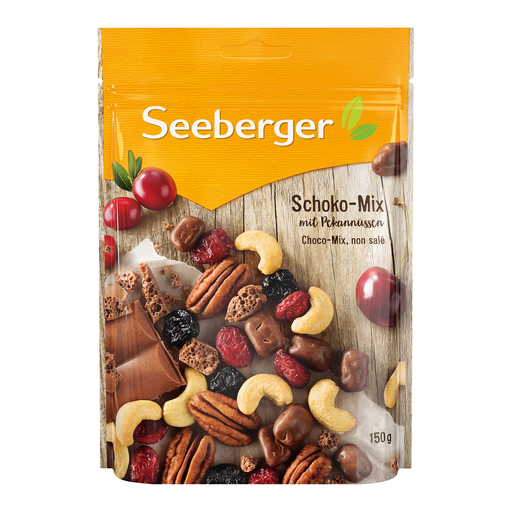
A mix of fruit, nuts and chocolate for when you’d like these ingredients in your snack. If you have allergies to milk, soya or nuts, check the label carefully and compare the sugar content with other mixes.
 No image available
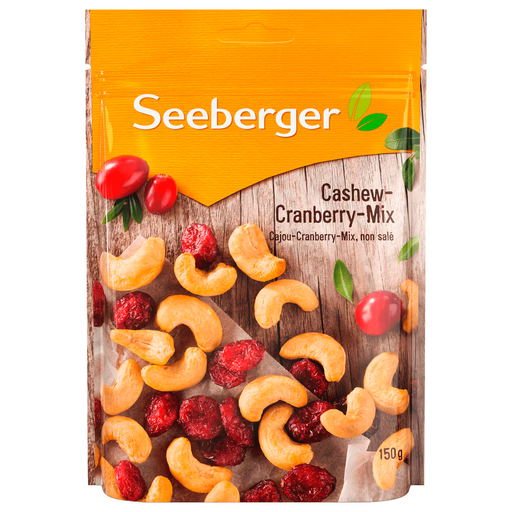
Cashews and cranberries make this a fruit and nut option for your lunchbox. If added sugar affects your choice, check the ingredients list for the cranberries; also look out for information about nuts and peanuts.
 No image available
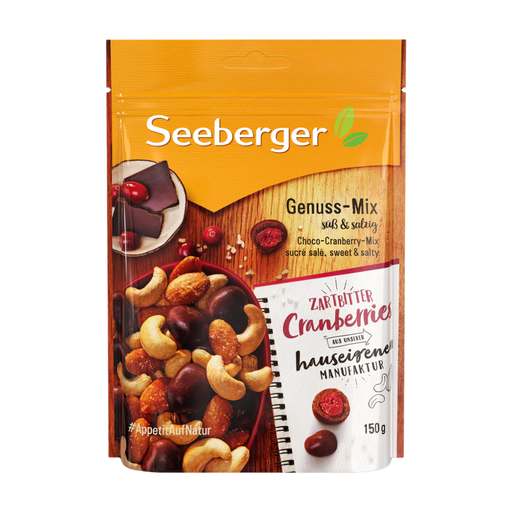
A fruit and nut mix with chocolate that’s handy for when you’re out and about. If you need to avoid certain ingredients or allergens, pay particular attention to information about nuts, peanuts and soya; for comparing protein, check the nutritional information per 100 g.
If you’re planning a lunch specifically around protein, dried fruit shouldn’t be the only planned source. EDEKA lists 2.7 g of protein per 100 g for its Herzstücke mixed fruit, and ALDI SÜD lists 3 g per 100 g for its figs. Choose and compare an additional protein source that suits how you’ll store your lunch and any potential allergies.
Compare the nutritional values on the same basis, such as per 100 g, then take your planned portion into account. The ingredients list will also show you what else is in the specific mix.
Check the ingredients list and allergen information on the specific pack if sulphur dioxide or sulphites affect your choice. The EDEKA mixed fruit described here is partly treated with sulphur; you shouldn’t assume the same applies to other dried fruit.
Nuts can be a convenient option to take along, provided you take allergies and whether they’re suitable for any children sharing the snack into account. The German Nutrition Society suggests fruit with nuts as a snack combination. Skyr or yoghurt, on the other hand, needs to be stored appropriately when you’re out and about.