What should you look for when buying?
For a protein-focused work-from-home lunch, first decide what role the dried fruit should play alongside the other parts of your meal. You can then compare portion sizes and product information more easily.
| Criteria |
What to check |
Who it matters to |
| Protein in your meal |
Compare the protein per 100 g and per planned portion; include another protein source in your lunch. |
If I want to make protein a priority at lunch, dried fruit should complement the meal rather than be its only source of protein. For around 40% of consumers, this is the top priority. |
| Portion size and sugar |
Check the “of which sugars” figure per 100 g and relate it to the amount you’ll actually eat; check the ingredients in mixes too. |
For a short break, I want to choose a handy portion of fruit without confusing the amount in the pack with a 100 g serving. Around 30% of consumers prioritise portion size and sugar. |
| Ingredients and allergens |
Check the specific pack for sulphur dioxide or sulphites, nuts and precautionary allergen warnings. |
If I can’t tolerate certain ingredients, I need to know what’s in the mix before eating it. For around 30% of consumers, checking ingredients and allergens comes first. |
The type of product alone doesn’t answer the question of how much protein it contains: a nut and fruit mix also contains nuts, while pure dried fruit or freeze-dried berries have a different mix of ingredients. The products compared also have different sugar and fat values. So compare like with like and consider how much you plan to eat for lunch.
Which brands can help guide your choice?
These brand examples show the differences between fruit-only products, conventional dried fruit and nut and fruit mixes. The nutritional values given apply to the specific products listed, not to a brand’s full range.
Seeberger
REWE lists Seeberger freeze-dried raspberries and blueberries, each made from the corresponding fruit.
- The raspberries contain 7.4 g of protein per 100 g, and the blueberries 4.5 g per 100 g.
- REWE also lists 31 g and 46 g of sugar per 100 g respectively. The amount you eat matters too.
EDEKA Herzstücke / GUT&GÜNSTIG
EDEKA’s product examples include dried mixed fruit and a nut and fruit mix – two different types of product for lunch.
- EDEKA lists 2.7 g of protein per 100 g for the mixed fruit and 12 g per 100 g for the nut and fruit mix.
- The mixed fruit contains sulphur dioxide. The nut and fruit mix contains nuts and has 26 g of fat per 100 g; check the information on each pack.
ALDI SÜD NATURLIEBLINGE / FARMER NATURALS
ALDI SÜD sells conventional dried fruit, such as figs and prunes, under these names.
- ALDI SÜD lists 3 g of protein per 100 g for the figs and 2 g per 100 g for the prunes.
- The products listed contain 55 g and 42 g of sugar per 100 g respectively. ALDI SÜD says that different suppliers may be used, so check the information on the pack you buy.
Nut and fruit mixes at Joybuy
These nut and fruit mixes are suitable for a snack break or as part of a work-from-home lunch. If you’re looking to include protein in your meal, don’t rely on them as a complete lunch on their own. Compare the ingredients and choose a portion that suits you.
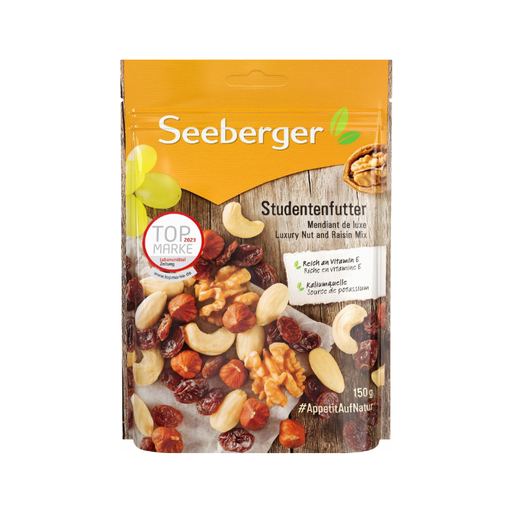 Image unavailable
Seeberger Student Trail Mix 150 g
A nut and fruit mix for a short break during the working day. If you need to avoid nuts or want to compare sugar and portion sizes, check the information on the pack before eating.
View at Joybuy
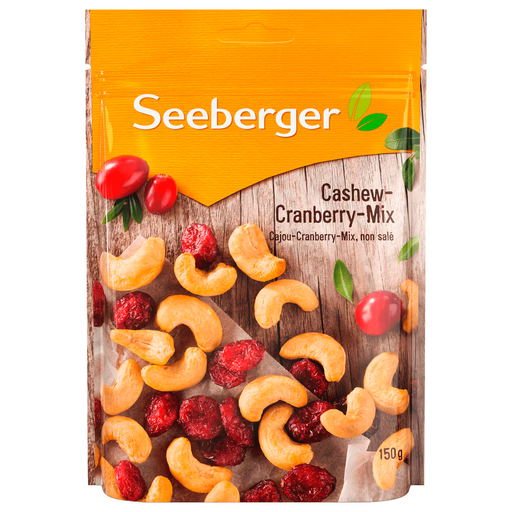 Image unavailable
Seeberger Cashew & Cranberry Snack Mix 150 g
This mix works as a snack or as an addition to yoghurt. Bear in mind that it contains cashews and sweetened cranberries, and check the allergen and nutritional information on the pack too.
View at Joybuy
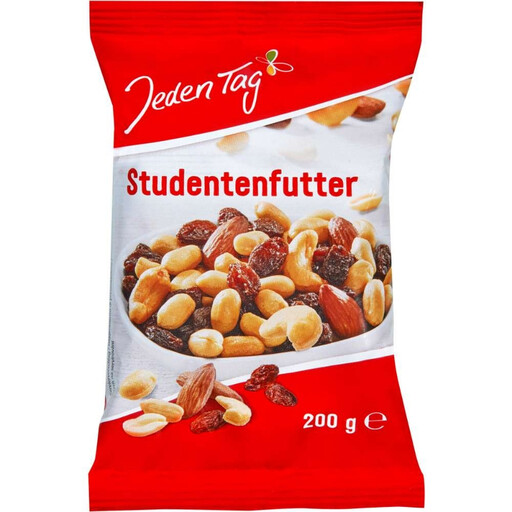 Image unavailable
Jeden Tag Student Nut & Raisin Trail Mix 200 g
The combination of nuts and raisins makes a handy snack alongside lunch. To compare it with other mixes, check the “of which sugars” figure and allergen information on the pack.
View at Joybuy
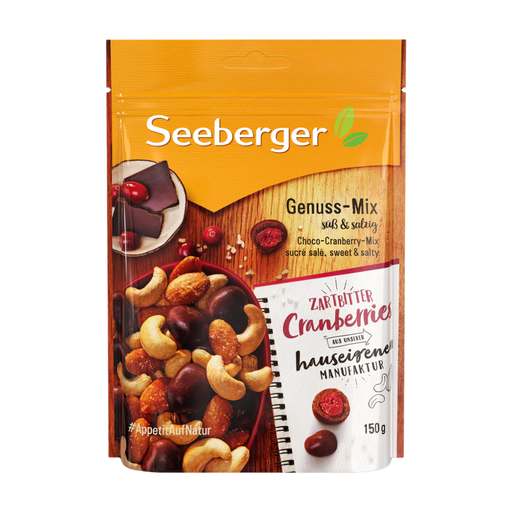 Image unavailable
Seeberger Pleasure Nut & Fruit Mix 150 g
This nut and fruit mix is an option if you’re looking for a sweet snack with fruit to enjoy at lunch. When choosing a portion, check the nutritional information, and if you have allergies, read the ingredients on the specific pack.
View at Joybuy
Frequently asked questions
When can a food be marketed as “high protein”?
Under EU Regulation (EC) No 1924/2006, the claim “high protein” may only be used if at least 20% of the food’s energy value comes from protein. The amount of protein in grams per 100 g isn’t enough to assess this on its own; you also need to take the energy value of the specific product into account.
Is dried fruit enough as your only source of protein after recreational exercise?
If you want to put together a protein-focused meal, don’t rely on dried fruit as its only source of protein. The German Nutrition Society lists dairy products, eggs and pulses among protein sources, and says that adults who do recreational sport don’t generally need to increase their protein intake.
Are freeze-dried fruit with no added sugar low in sugar?
No. “No added sugar” doesn’t mean low in sugar. The fruit’s naturally occurring sugars are still there; according to the consumer advice centre, removing water concentrates sugar and energy per 100 g. Compare the nutritional information and the amount you’ll actually eat.
How do I check for sulphur dioxide and nuts in dried fruit?
Read the ingredients list and highlighted allergen information on the specific pack. This is especially important for sulphured dried fruit and nut and fruit mixes. If relevant to you, check for precautionary allergen warnings too.
Can I rely on shop information alone for nutritional values and ingredients?
When choosing and eating a product, the information on the pack you’ve bought is what matters. EDEKA notes that online information may differ from the packaging; ALDI SÜD says that different suppliers may be used for some products, which can lead to differences in nutritional values.


