Pure dried fruit isn’t automatically the right choice for a protein-focused Carnival snack. EDEKA lists 2.9 g of protein per 100 g for GUT&GÜNSTIG prunes, while ALDI SÜD lists 3 g per 100 g for NATURLIEBLINGE figs. If protein is a priority for you, you could pair dried fruit with nuts or seeds, or choose a separate source of protein. Compare the nutritional information for the specific products and consider how much you actually plan to eat.
Which snack is right for you?
Carnival-goers focusing on protein
You want something fruity to eat on the go, but you’d also like to know how much protein your snack actually provides. What matters is the nutritional information for the specific product, not simply the fact that it’s labelled “dried fruit”.
On the go and in the mood for dried fruit
You’re looking for a handy portion of fruit to take along for a long day at Carnival. Pack size, ingredients and sugar content matter more to your choice than a protein claim.
Careful label-checkers
You pay particular attention to sulphur dioxide, nuts and other declared allergens in dried fruit and mixes. Check the information on the specific pack before switching from plain fruit to a mix.
What should you look for when buying?
Plain dried fruit
A good choice if: you mainly want a fruity snack for when you’re out and about, and plan to get your protein from other foods.
The trade-off: The dried fruit listed by EDEKA and ALDI SÜD contains 2.9 and 3 g of protein per 100 g respectively. The German Federal Centre for Nutrition also points out that dried fruit has a concentrated sugar content.
Dried fruit with nuts or seeds
A good choice if: you’d like to combine fruity flavour with nuts or seeds in one snack. The European Commission lists nuts and seeds as plant-based sources of protein.
The trade-off: The ingredients and protein content depend on the particular mix, and allergen information becomes more important too.
Dried fruit and a separate protein snack
A good choice if: you want a portion of fruit but would prefer to choose a second product for its protein contribution.
The trade-off: You’ll need to take the portions and labelling of both snacks into account. A long day at Carnival alone doesn’t mean you need more protein: the German Nutrition Society says that recreational athletes who do four to five 30-minute sessions a week at moderate intensity don’t have an increased protein requirement.
| Criterion |
What to check |
Who is it important for? |
| Protein contribution |
Compare protein per 100 g and for the portion you plan to eat; if you’re having two snacks, consider each product separately. |
If protein is my main goal, I want to know what my actual snack portion provides. For around 50% of consumers, this protein contribution is the top priority. |
| Fruit portion and sugar |
Check the sugar per 100 g, ingredients and pack size. |
When I’m out and about, I want to take a fruity snack with me and understand its sugar content. Around 30% of consumers say this is their main priority. |
| Ingredients and allergens |
Check the ingredients list and the chosen product’s information on sulphur dioxide, nuts and other allergens. |
If I have a known sensitivity or allergy, I need to be able to tell whether a particular fruit or mix is suitable for me. This is the top buying priority for around 20% of consumers. |
Common misconceptions
-
Assuming dried fruit is automatically a high-protein snack
EDEKA lists 2.9 g of protein per 100 g for GUT&GÜNSTIG prunes, while ALDI SÜD lists 3 g per 100 g for NATURLIEBLINGE figs. So you can’t assume that fruit alone will provide a high amount of protein.
Compare the protein content with the portion you plan to eat. If protein is your main focus, check a suitable accompaniment separately.
-
Assuming “no added sugar” means low in sugar
Dried fruit can still be high in sugar even when no sugar has been added. The Verbraucherzentrale (German consumer advice service) points out that terms such as “naturally sweet” don’t tell you the actual sugar content.
As well as reading the ingredients list, check the sugar per 100 g and choose an amount that suits you for when you’re out and about.
-
Overlooking allergen information when switching to a mix
Sulphited dried fruit and mixes containing nuts call for a closer look at the labelling. REWE points out that dried fruit treated with sulphur dioxide is labelled accordingly.
Check the ingredients and allergen information for each product, even if you’ve previously bought plain dried fruit.
Brands to consider
Seeberger
According to its own range, Seeberger offers dried fruit, nuts, seeds and fruit-and-nut mixes. This makes it possible to compare different types of snack within the brand.
- Plain fruit and mixes can be considered as different product types.
- The range alone doesn’t tell you the protein content of a particular pack.
REWE Bio / REWE Beste Wahl
REWE includes dried fruit and seeds in its grocery range. If you want to combine both types of snack, compare the information for the products you choose.
- Fruit and seeds are available as separate categories in the range.
- Being in the same product range doesn’t mean they have the same protein content.
EDEKA GUT&GÜNSTIG
EDEKA lists 2.9 g of protein per 100 g for GUT&GÜNSTIG pitted prunes. This is a specific point of comparison for this variety of fruit, not the brand as a whole.
- Nutritional information is provided for the prunes mentioned.
- EDEKA notes that online information may differ from what’s shown on the packaging.
Alesto
Lidl sells nuts and dried fruit under the Alesto brand. For planning your Carnival snacks, these are different types of snack, and their ingredients and nutritional information should be assessed separately.
- The range includes both fruit and nut products.
- Being part of the range doesn’t prove that a particular dried fruit has a certain protein content.
NATURLIEBLINGE – KLEINE SCHÄTZ
ALDI SÜD lists 3 g of protein and 55 g of sugar per 100 g for the figs in this range. These figures apply to this product.
- The specific nutritional information makes it easier to compare this product with other types of fruit.
- ALDI SÜD notes that nutritional values may vary depending on the supplier; the information on the pack you buy is the one to follow.
Joybuy products to help you choose a snack
These products show two alternatives to plain dried fruit: a berry-and-nut mix, or seeds as a separate snack to have alongside a portion of fruit. The nutritional information and the amount you actually eat determine how much protein you get.
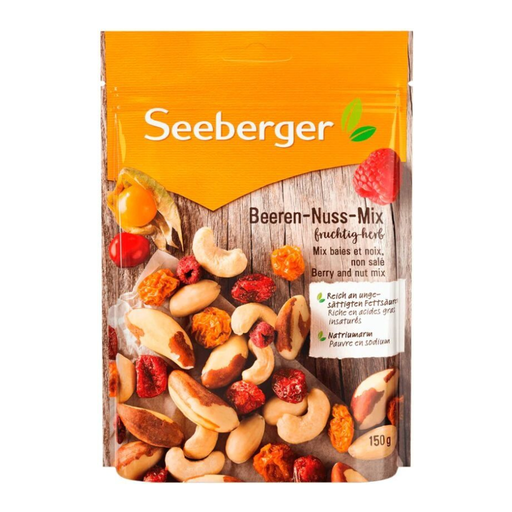 Image unavailable
Seeberger Soft Berry & Roasted Nut Mix, 150 g
If you’d like berries and nuts in one snack, this mix could be a good option.
Pack size: 150 g. Check the protein and sugar information for the portion you plan to eat, and read the allergen information.
View on Joybuy
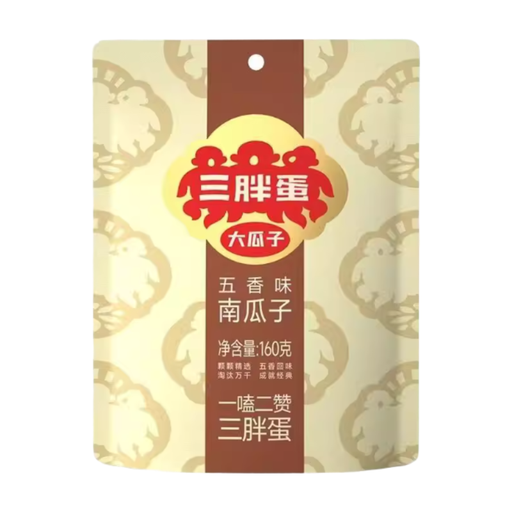 Image unavailable
Sanpangdan Pumpkin Seeds Five Spice Flavour, 160 g (8 × 20 g)
These pumpkin seeds could be a separate snack to have alongside a portion of dried fruit; they aren’t dried fruit themselves.
The pack contains eight 20 g sachets. Check the ingredients and allergen information, and note what edible quantity the nutritional information refers to.
View on Joybuy
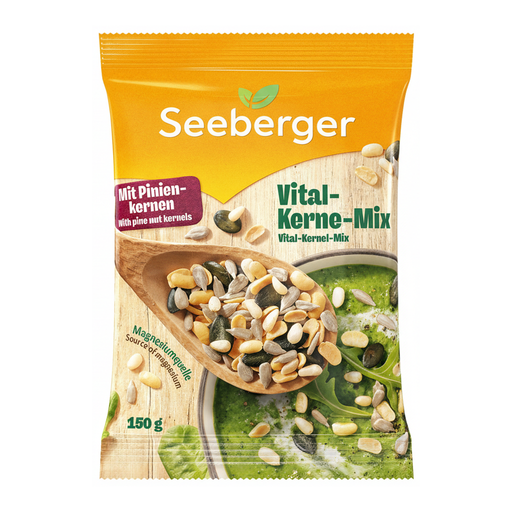 Image unavailable
Seeberger Vital Salad Seed & Kernel Mix, 150 g
If you’d prefer to choose your dried fruit and seeds separately, you could consider this seed and kernel mix as a second snack.
Pack size: 150 g. When choosing your portion, check the protein information as well as the ingredients and allergen information.
View on Joybuy
Frequently asked questions
Is dried fruit automatically a high-protein snack?
No, you can’t tell from the type of product alone. EDEKA lists 2.9 g of protein per 100 g for GUT&GÜNSTIG prunes, while ALDI SÜD lists 3 g per 100 g for NATURLIEBLINGE figs. Check the protein content of the fruit you choose and calculate how much your portion provides.
Do I need a protein snack after a long day at Carnival?
A long day at Carnival alone doesn’t tell you that you need a particular amount of protein. The German Nutrition Society says that recreational athletes doing four to five 30-minute sessions a week at moderate intensity don’t need to increase their protein intake. If you’re choosing a snack specifically for its protein contribution, compare the nutritional information for the portion you plan to eat.
How can I tell if sugar has been added to dried fruit?
Read the ingredients list as well as the sugar information in the nutrition table. Dried fruit contains naturally occurring sugar too; according to the Verbraucherzentrale (German consumer advice service), phrases such as “naturally sweet” or “sweetened only with fruit” don’t tell you the actual sugar content.
What should I look out for with sulphur dioxide?
Check the labelling on the specific dried fruit, especially if you need to avoid sulphur dioxide. REWE notes that dried fruit treated with sulphur dioxide is labelled accordingly. If you’re choosing a fruit-and-nut mix, check all the allergen information too.


