Dried fruit is a convenient snack to keep in your gym bag, but on its own it isn’t a reliable choice if you’re aiming for a specific amount of protein after a workout. For that, choose a separately labelled source of protein or a mix whose nutritional information matches the portion you plan to eat. Also check the sugar and ingredients in dried fruit, and look out for sulphur dioxide and sulphites if relevant.
Which snack is right for you?
For snacks on the go with minimal preparation
If you want a ready-to-eat fruit snack before or after training, dried fruit is worth considering. If needed, plan for protein separately, and check that the pack you choose fits easily into your gym bag.
If protein is your priority
If the amount of protein you get after training matters to you, compare the nutritional information for the portion you’ll actually eat. Dried fruit can be part of your snack, but don’t assume it’s high in protein just because of the product category.
If you want to choose ingredients carefully
If you want to avoid added sugar or sulphur-treated dried fruit, read the ingredients list for each option. If you know you’re sensitive to sulphur dioxide or sulphites, pay particular attention to the relevant labelling. The Bavarian Health and Food Safety Authority highlights the possibility of intolerance reactions.
What should you look for when buying?
First decide whether you want a fruit snack to take with you or a snack with a clearly stated amount of protein. Then compare the nutritional information for your portion and the ingredients in the specific pack.
| What matters |
What to check when buying |
Who it matters to |
| Protein content |
Protein per 100 g and for the portion you plan to eat; for mixes, check the details of the protein source too. |
If I want to plan a specific amount of protein after training, I need a clear figure rather than just a fruit snack. This is a priority for around 42% of consumers. |
| Snack to take with you |
Pack size, whether it’s ready to eat and, if relevant, whether the pack can be resealed. |
Before training, I want something I can put in my gym bag without preparing it, but I’m not relying on it to meet my protein needs. Around 33% of consumers prioritise this. |
| Ingredients and sulphites |
Ingredients list, the “of which sugars” figure, and any mention of sulphur dioxide or sulphites. |
If I need to avoid sulphur-treated products or certain ingredients, the labelling determines what I choose. Checking ingredients is the top priority for around 25% of consumers. |
Common selection mistakes
-
Confusing “no added sugar” with “high in protein”
These claims refer to different things. REWE lists 4.8 g of protein and 50 g of sugar per 100 g for Seeberger Unsulphured Apricots. So, no added sugar doesn’t automatically make dried fruit a protein-focused snack.
Compare “protein” and “of which sugars” in the nutritional information, and consider how much you actually plan to eat.
-
Treating sulphur-treated and untreated options as the same
If you’re sensitive, the difference may matter: the Bavarian Health and Food Safety Authority describes possible intolerance reactions to sulphur-treated dried fruit.
Check the ingredients list and look for sulphur dioxide or sulphites on the label. “No added sugar” doesn’t tell you whether a product has been treated with sulphur.
-
Assuming the nutritional information is the same across a product range
ALDI SÜD notes that different suppliers may mean different nutritional information for its NATURLIEBLINGE – KLEINE SCHÄTZ dried fruit.
To make your choice, compare the nutritional information, ingredients and pack size of the option you’re planning to buy.
Brands and ranges to help you choose
Seeberger
Seeberger offers a range of dried fruit, including dates and apricots. It’s worth exploring if you want to compare the qualities of specific varieties.
- Seeberger says its pitted dates contain no added sugar or preservatives.
- This information applies to the product mentioned, not automatically to other varieties. Compare their protein content using the nutritional information for each one.
REWE
REWE groups dried fruit and seeds in the same shopping category, making it easy to browse fruit products alongside ingredients for a mixed snack.
- The category includes dried fruit and seeds.
- For protein, sugar and ingredients, always check the labelling on the individual product.
Alesto bei Lidl
Lidl describes Alesto as a range of nuts and dried fruit. It’s a useful starting point if you want to combine both in a snack.
- The range lets you explore fruit and nut products to create different combinations.
- The only way to tell whether a particular mix suits your protein target is to check its ingredients and nutritional information.
NATURLIEBLINGE – KLEINE SCHÄTZ bei ALDI SÜD
This range includes dried fruit such as dates. It’s an option if you’re looking for a single type of fruit rather than a fruit and nut mix.
- ALDI SÜD lists a pack size of 200 g for its dates.
- According to ALDI SÜD, nutritional information may vary by supplier. Check the details on the current pack.
Fruit and nut mixes at Joybuy
These products combine dried fruit and nuts in one pack. If protein content is your main consideration, compare the nutritional information for the portion you plan to eat. The words “fruit and nut mix” alone don’t mean a snack is high in protein.
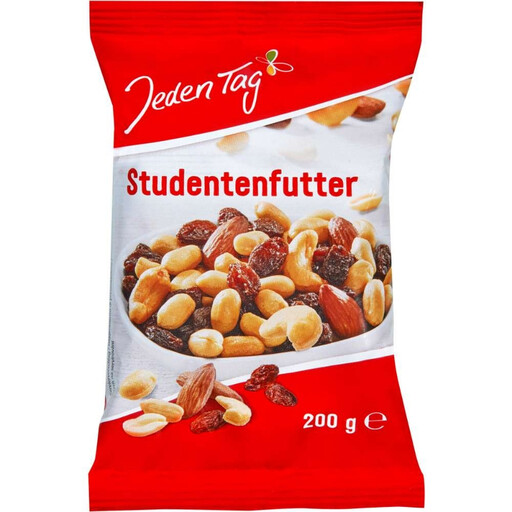 Image unavailable
Jeden Tag Nut & Raisin Trail Mix, 200 g
A handy option if you want to take raisins and nuts with you in one snack. The pack contains 200 g. If you have a specific protein target, the nutritional information for your portion is what matters.
View at Joybuy
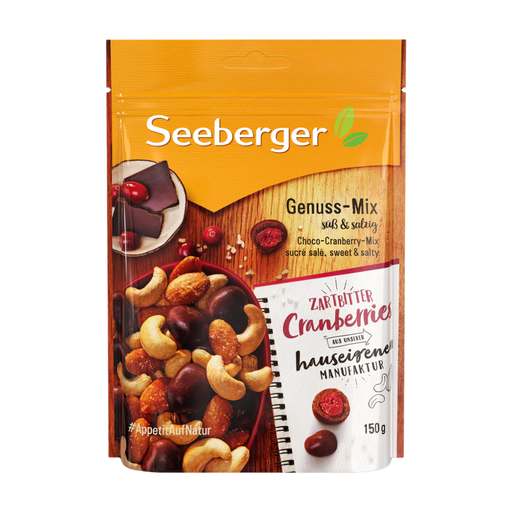 Image unavailable
Seeberger Pleasure Nut & Fruit Mix, 150 g
A fruit and nut mix in a 150 g pack. As well as the protein content, check the “of which sugars” figure and the ingredients on the pack you choose.
View at Joybuy
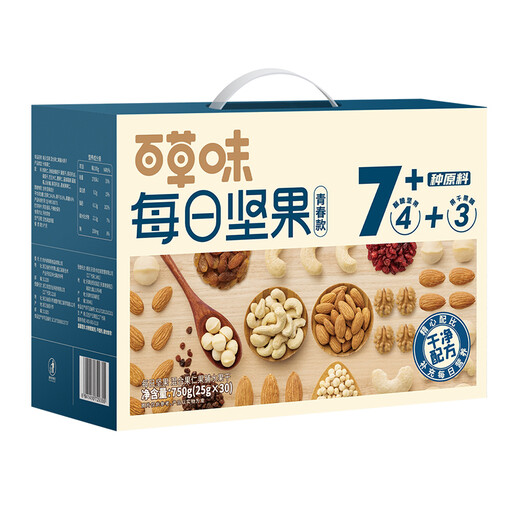 Image unavailable
BE&CHEERY Daily Mixed Nuts and Dried Fruits, 750 g
For anyone who likes to portion out a fruit and nut mix before taking it with them, this 750 g pack is larger than the other two shown here. Compare the nutritional information for your portion and, if you’re sensitive, check the allergen and sulphite labelling.
View at Joybuy
Frequently asked questions
Is dried fruit on its own enough for a protein-focused snack after training?
Not reliably: dried fruit shouldn’t automatically be classed as high in protein. REWE lists 4.8 g of protein per 100 g for Seeberger Unsulphured Apricots. If you’re aiming for a specific amount of protein, check the nutritional information for your portion and for an additional protein source.
Does “no added sugar” mean dried fruit is low in sugar?
No. Dried fruit can still contain a lot of naturally occurring sugar, even without added sugar. EDEKA says dried fruit contains 50 to 70 per cent sugar; when comparing products, check the “of which sugars” figure on the specific pack.
What should I look out for with sulphur dioxide and sulphites?
Check the ingredients list and any highlighted labelling information on the pack, especially if you know you’re sensitive. The Bavarian Health and Food Safety Authority notes that sulphur-treated dried fruit can cause intolerance reactions in sensitive people.
Do “unsulphured” and “organic” mean the same thing for dried fruit?
No, the two terms describe different qualities. If you want to avoid sulphur-treated products, check the relevant claim, ingredients and labelling on each pack rather than relying on “organic” alone.


