Travellers looking to avoid sulphites
Check whether the ingredients list mentions sulphur dioxide or sulphites. A general description such as ‘natural’ is no substitute for checking the pack.


When choosing dried fruit for a road-trip snack, the label on the specific pack matters more than the brand name. Check the ingredients, allergens and any precautionary warnings against what you need to avoid. A single-fruit product labelled as unsulphured can make it easier to check for sulphites, but that doesn’t automatically mean it’s free from other allergens or potential cross-contact.
Check whether the ingredients list mentions sulphur dioxide or sulphites. A general description such as ‘natural’ is no substitute for checking the pack.
You’re looking for a fruit snack to take on the go, so you compare the ingredients list with the nutrition information. ‘No added sugar’ doesn’t tell you how much sugar the fruit itself contains.
As well as the ingredients, you’ll want to check for potential traces and cross-contact warnings. Lebensmittelklarheit distinguishes between the declaration of allergens deliberately added as ingredients and voluntary precautionary trace warnings.
Start by checking the ingredients and allergens that matter to you. Then compare added sugar, how practical the pack is and where you plan to shop.
| What to check | What to look for | Who it matters to |
|---|---|---|
| Sulphites and allergens | Check the ingredients and allergen information for sulphur dioxide, sulphites and any allergens relevant to you. Look out for voluntary trace warnings too. | If I need to avoid sulphites or nuts, I want to be able to check the specific pack rather than relying on ‘unsulphured’ alone. This is the main consideration for around 36% of shoppers. |
| Added sugar and ingredients | Compare the ingredients list with the ‘of which sugars’ figure per 100 g. Added sugar and the sugar naturally present in fruit are not the same thing. | I want a snack with no added sugar and a straightforward recipe. This is the top priority for around 29% of shoppers. |
| Packaging and texture | Choose a suitable portion size and check whether the pack can be resealed after opening. | Over several stops, I want to take out some fruit easily and keep it at the texture I like. This is the first thing around 21% of shoppers look for. |
| Shopping before your trip | Check the pack actually available in store. Information can vary by product or supplier. | If I’m shopping at short notice, I need to find a pack in stock and compare its label there and then. This is the most important buying requirement for around 14% of shoppers. |
The claim relates to sulphites, not to all allergens or potential cross-contact. Seeberger warns of possible cross-contamination for its Delikatess figs.
If you need to avoid allergens, check the rest of the ingredients and any product-specific trace warnings on the current pack too.
EDEKA lists sulphur dioxide and sulphites in one of its mixed-fruit products. For its dried GUT&GÜNSTIG cranberries, EDEKA also lists 39% sugar as an ingredient.
For each product, compare the full ingredients list and nutrition information per 100 g instead of looking only at the fruit pictured on the front.
Ingredients and labelling can vary between products and suppliers. ALDI SÜD advises shoppers to check the packaging for precise information about its dried fruit.
Before your trip, check the pack you’re actually planning to buy and take with you.
REWE product reviews have noted that freeze-dried fruit can soften after opening.
If you want to keep it crisp, reseal the pack after opening and check before you buy that the packaging is suitable.
Its Delikatess figs are a documented example of dried fruit with product-specific information.
The range includes freeze-dried strawberries and a fruit mix.
EDEKA sells dried fruit with a range of different ingredients, so the product name alone isn’t enough to compare what’s inside.
Dried apricots in a 200-g pack are one example from the dried fruit range.
This selection includes jujubes and dried plums as fruit snacks to take on the go. The label on the specific pack will tell you whether a product meets your requirements for sulphites, allergens and packaging.
 No image available
An option if you’d like to take jujubes along as a snack for the journey.
Check the pack for information about sulphites and potential traces, and see whether it can be resealed after opening.
 No image available
The pitted version is worth considering if you’re looking for jujubes to take on the go.
Before buying, compare the ingredients, any trace warnings and information about resealing the pack.
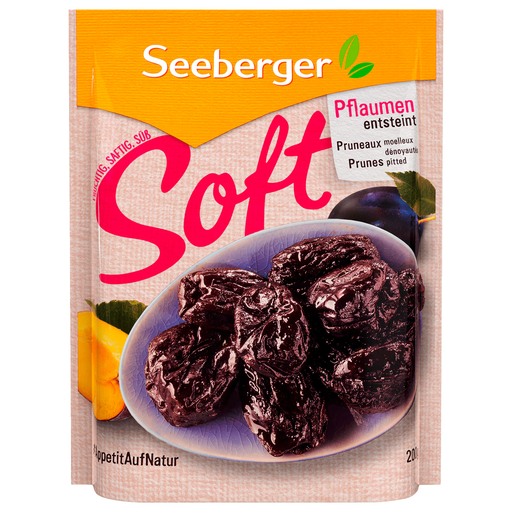 No image available
Soft, pitted prunes for shoppers who prefer this fruit as a snack.
Check the current ingredients and allergen information, and see how to store the pack once it’s open.
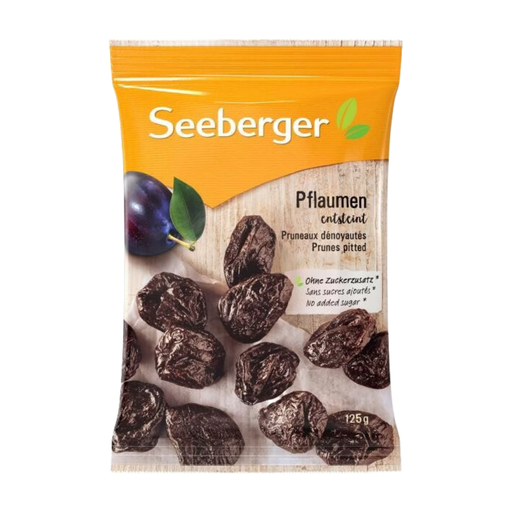 No image available
The 125-g version is worth comparing if you’re looking for a smaller pack of pitted prunes.
According to the product description, occasional fragments of stones may remain despite pitting. Also check the pack for ingredients, sulphite information and any trace warnings.
 No image available
The 500-g version is worth considering if you’d like to compare a larger pack of soft, pitted prunes.
According to the product description, fragments of stones may remain. Check the pack for ingredients, potential traces and whether it can be resealed.
Check the ingredients list for sulphur dioxide or sulphites. Lebensmittelklarheit explains that sultanas are considered unsulphured if no such information appears there. For other dried fruit, check the label on the specific pack too.
No. ‘No added sugar’ refers to sugar added to the product, not the sugar naturally found in fruit. For the dried fruit you choose, compare the ingredients list with the ‘of which sugars’ figure per 100 g.
An ingredients list with no nuts doesn’t guarantee there has been no cross-contact. Lebensmittelklarheit explains that warnings about unintended traces are voluntary and not governed by consistent rules, so check any product-specific trace and cross-contamination warnings too.
Check the current pack before making your decision. EDEKA notes that the product information shown may differ from the packaging, while ALDI SÜD says its products may vary when suppliers change.