When protein is the main priority for a school snack after sport, plain dried fruit is not in the same category as pumpkin seeds: EDEKA lists 2.7 g of protein per 100 g for its Fruity Mixed Fruit, while REWE lists 35 or 36 g per 100 g for the shelled pumpkin seeds featured. Dried fruit can provide the fruit element of a small break-time snack; when adding seeds or a nut mix, the specific pack, allergens and school rules also matter.
Which option is right for whom?
Students prioritising protein
If protein content is your main buying criterion after school or club sport, it’s worth considering seeds rather than looking at dried fruit alone. REWE lists 35 or 36 g of protein per 100 g for the shelled pumpkin seeds featured, while EDEKA lists 2.7 g per 100 g for its Fruity Mixed Fruit. These figures refer to specific products, not every pack in each category.
Students who want to take a fruit snack with them
Dried fruit can make a convenient fruit addition to a portioned school snack. If you’re also keeping an eye on sugar, compare the nutrition information on the specific pack: removing water concentrates the sugar and energy per 100 g, as the Verbraucherzentrale explains in its guidance on freeze-dried fruit.
Families who need to check ingredients and allergens
Sulphur dioxide and sulphites may matter when choosing dried fruit, while tree nuts, peanuts or relevant ‘may contain’ warnings may be important for seed and nut products. Always check the ingredients list and allergen information on the specific pack you’ll be putting in the school bag.
What to look for when buying
First decide whether dried fruit is there to provide the fruit element or whether protein is your main priority. Then check the portion size, ingredients and the school’s rules on seeds and nuts.
Plain dried fruit
A good choice if: You want an easy fruit option for break time and protein isn’t the main focus.
Things to consider: Drying concentrates sugar and energy per 100 g; EDEKA’s mixed fruit contains 2.7 g of protein per 100 g.
Dried fruit with pumpkin seeds
A good choice if: You want some fruit, but would like to meet your protein priority with a separate portion of seeds.
Things to consider: Seeds are a different type of product from dried fruit. Whether they’re suitable also depends on the portion, pack information and school rules.
A nut mix instead of a fruit base
A good choice if: A nut mix works as a snack in its own right and nuts are allowed and suitable for you.
Things to consider: According to Seeberger, its Power Nut Mix contains walnuts, cashews and almonds; it doesn’t provide a fruit portion.
| Criterion |
What to check when buying |
Who it matters most to |
| Protein |
Compare protein per 100 g and the type of product: dried fruit, seeds and nut mixes are not the same thing. |
After sport, I want to plan a break-time snack with protein as a priority, rather than counting fruit alone towards it. Around 31% of consumers put this first. |
| Taking it with you |
Check the pack size and storage instructions after opening; portion it out before school. |
For my school day, what matters most is a fruit snack I can take with me without preparing it. This is the main priority for around 25% of consumers. |
| Sugar and portion size |
Check sugar per 100 g, the ingredients list and the amount you’ll actually pack. |
With a larger pack, I want to decide how much dried fruit to take for break time. For around 25% of consumers, portion size and sugar information together are the most important criteria. |
| Ingredients and allergens |
Read the ingredients list and check the specific pack for information about tree nuts, peanuts, sulphur dioxide and sulphites. |
If certain ingredients matter to my family, I need to check the exact product before packing it. Around 19% of consumers put this check first. |
Common selection mistakes
-
Assuming dried fruit is a protein snack just because it provides fruit
The type of product tells you little about its protein content. EDEKA lists 2.7 g of protein per 100 g for its Fruity Mixed Fruit; the shelled pumpkin seeds listed by REWE contain 35 or 36 g per 100 g.
Compare the ‘protein’ figures per 100 g for each product. If protein is your priority, think of dried fruit as the fruit element and assess a suitable portion of seeds or nuts separately.
-
Confusing ‘no added sugar’ with ‘sugar-free’
Dried fruit still contains naturally occurring fruit sugars. The Verbraucherzentrale points out that removing water concentrates sugar and energy per 100 g.
Check the sugar figure in the nutrition information and read the ingredients list. If you want to avoid extra sweetening ingredients, check the specific product and portion it out before break time.
-
Judging allergens by the front of the pack alone
The mixed fruit listed by EDEKA contains sulphur dioxide and sulphites; other ingredients or ‘may contain’ warnings may be relevant for seed and nut products.
Check the full ingredients list and allergen labelling on every pack you buy. If someone has an allergy, and before packing nuts or seeds, also take their individual needs and the school’s rules into account.
-
Treating a whole pack of seeds as one snack portion
Even when protein is your buying priority, the amount eaten still matters. REWE lists 567 or 593 kcal per 100 g for the two shelled pumpkin seed products featured.
Decide on the portion you want before packing it, rather than assuming the pack size is a single serving.
Relevant brands and retailers for guidance
Seeberger
For this decision, Seeberger’s pumpkin seeds and nut mixes are particularly relevant alongside its range of dried fruit.
- REWE lists 36 g of protein per 100 g for Seeberger shelled pumpkin seeds; Seeberger lists 22 g per 100 g for its Power Nut Mix.
- Seeds and nut mixes aren’t plain dried fruit. Check the allergen and ‘may contain’ information on the specific pack.
REWE
As a retailer, REWE provides product information that lets you compare the pumpkin seeds featured by nutritional values and pack information.
- The product information lists 36 g of protein per 100 g for Seeberger shelled pumpkin seeds and 35 g per 100 g for Kluth shelled pumpkin seeds.
- Range and availability may vary by location; information for one product doesn’t automatically apply to other varieties.
EDEKA Herzstücke
The Fruity Mixed Fruit featured is an example of dried fruit as a fruit option, not of pumpkin seeds or a nut mix.
- EDEKA provides ingredients and nutrition information for this mixed fruit, including 2.7 g of protein and 46 g of sugar per 100 g.
- The product is partly sulphured; according to EDEKA, it contains sulphur dioxide and sulphites. The specific pack is what matters when choosing.
Alesto
Lidl’s Alesto range includes both dried fruit and nuts. For a school snack, it’s important to be clear about which type of product you mean.
- Lidl’s brand information lists cashews, almonds and walnuts as well as dried fruit.
- You can only compare protein by checking the nutrition information on the specific packs you’re considering.
FARMER NATURALS
The dried pineapple listed by ALDI SÜD is an example of a fruit snack for when protein isn’t the main priority.
- ALDI SÜD lists 2.7 g of protein and 52 g of sugar per 100 g for the pineapple pack.
- These figures apply to this specific pineapple variety and shouldn’t be assumed to apply to other dried fruit from the brand.
Seeds and nut mix for the school break
These Joybuy products are seed and nut options for anyone who wants to factor protein into their break-time planning. They aren’t dried fruit; whether you can take them to school depends on the specific pack, personal suitability and school rules.
 No image available
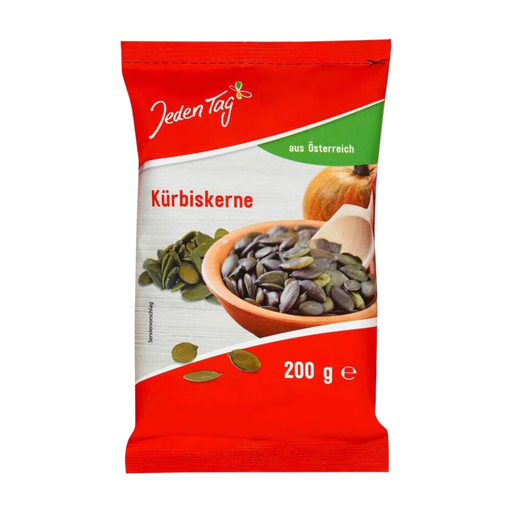
Jeden Tag shelled pumpkin seeds, 200 g
A seed option for planning a school snack when protein matters more than plain dried fruit. Joybuy lists 30.2 g of protein per 100 g for this pack; the 200 g pack shouldn’t be treated as a single portion.
Before packing, check the warning on the pack about possible shells or shell fragments, as well as the school’s rules.
View at Joybuy
 No image available
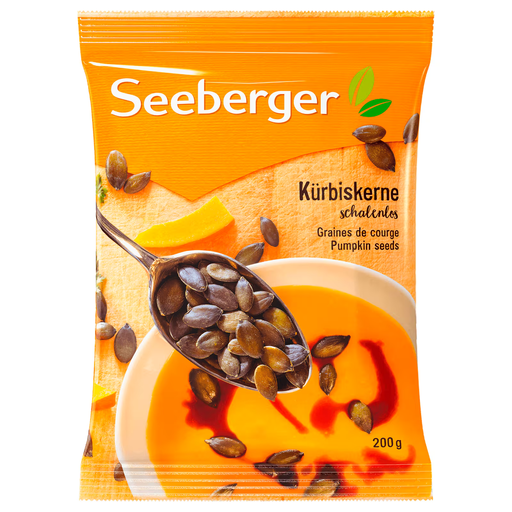
Seeberger shelled Styrian pumpkin seeds, 200 g
Shelled pumpkin seeds as a separate portion if dried fruit is only there to provide the fruit element of a school snack. The pack contains 200 g; decide separately how much to take with you.
If you have allergies, check the information on the specific pack and the school’s rules.
View at Joybuy
 No image available
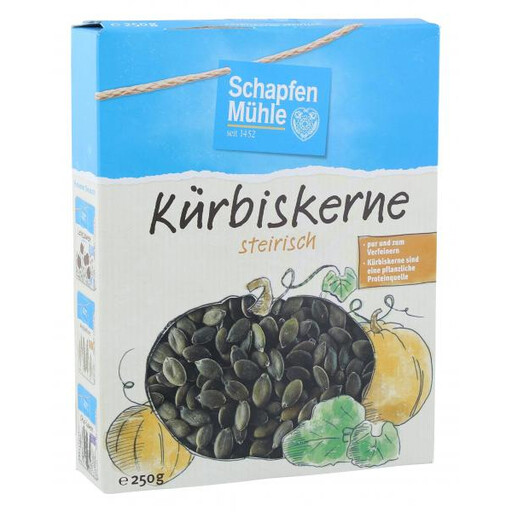
SchapfenMühle Styrian pumpkin seeds, 250 g
Another pumpkin seed option if you want to choose a separate portion of seeds alongside dried fruit. The pack contains 250 g; you can portion out a smaller amount for school.
If you have allergies, check the information on the pack and the school’s rules about seeds.
View at Joybuy
 No image available
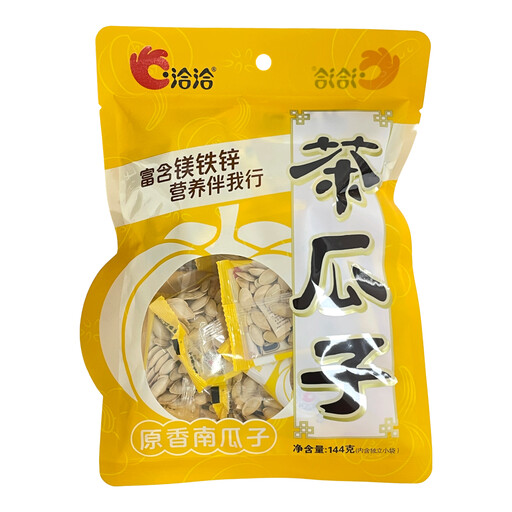
ChaCha Original roasted pumpkin seeds, 144 g
A roasted pumpkin seed option for anyone considering a seed snack instead of a fruit-only snack. The pack contains 144 g; check the ingredients and whether the seeds are shelled for how you plan to use them.
Before packing, it’s also important to check the allergen information and the school’s rules.
View at Joybuy
 No image available
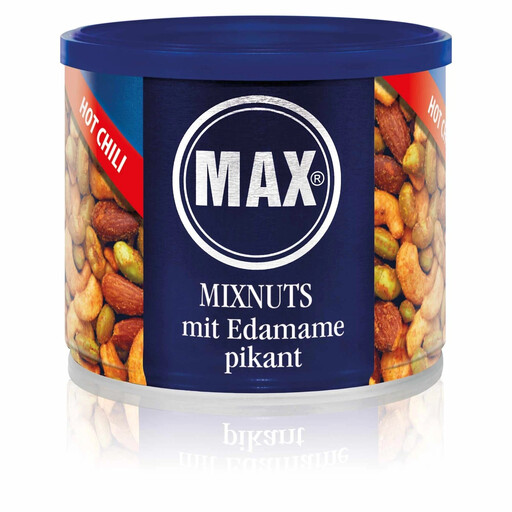
Max Mix roasted nuts and edamame, 250 g
A nut and edamame mix as an alternative to a fruit-only portion, if the ingredients are suitable for the person eating it and permitted at school. The pack contains 250 g.
Because it contains nuts and soya, check the ingredients and allergen information on the specific pack before portioning it out.
View at Joybuy
Frequently asked questions
Is plain dried fruit a high-protein snack for the school break?
The dried fruit compared here isn’t an equivalent protein alternative to the pumpkin seeds featured: EDEKA and ALDI SÜD each list 2.7 g of protein per 100 g for their mixed fruit and dried pineapple respectively, while REWE lists 35 or 36 g per 100 g for the shelled pumpkin seeds mentioned. If protein is your priority, compare the product types and the information on each specific pack separately.
Is dried fruit with no added sugar also sugar-free?
No. No added sugar doesn’t mean the fruit contains no sugar. The Verbraucherzentrale explains that removing water concentrates the sugar per 100 g in freeze-dried fruit; when deciding what to buy, check the ingredients list and sugar information on the specific pack.
How can I pack dried fruit and seeds for school?
Portion out the amount you want in advance rather than taking a larger pack as a single serving. If you want to add seeds, check the information on the pack and confirm that the school allows them at break time.
What should I look out for in the allergen information for dried fruit and nut mixes?
Check the ingredients list and allergen labelling on the specific pack of every product. Sulphur dioxide or sulphites may be relevant in dried fruit, for example, while tree nuts and other ingredients may matter in nut mixes. A ‘may contain’ warning alone doesn’t tell you whether a product is suitable for a particular person with an allergy.


