Anyone keeping an eye on portion size
You want to put dried fruit in your lunchbox and know how much energy the amount you actually pack contains. To work this out, you need both the value per 100 g and a planned portion size.


Dried fruit can be packed for a school break, but it isn’t automatically low in energy: under EU Regulation (EC) No 1924/2006, solid foods must contain no more than 40 kcal per 100 g to make this claim. The values listed by ALDI SÜD and EDEKA24 for three specific dried fruit products are 221, 279 and 327 kcal per 100 g respectively, so all exceed that limit. Compare the energy content with the portion you plan to pack, and check the ingredients separately for things like added sugar.
You want to put dried fruit in your lunchbox and know how much energy the amount you actually pack contains. To work this out, you need both the value per 100 g and a planned portion size.
You want to spot added sugar or sweetening ingredients, or need to check for sulphites and allergen warnings due to a known sensitivity. The information on the specific product is what matters.
You’re looking for dried fruit that works in a lunchbox or as an ingredient. The German Nutrition Society, for example, suggests unsweetened dried fruit as an ingredient in muesli or yoghurt.
For a calorie-conscious school break, start by comparing the nutrition information per 100 g and think about how much you want to pack. The ingredients and pack information answer different questions from the energy content.
| What to check | What to look for | Who it matters to |
|---|---|---|
| Energy and portion size | Compare kcal per 100 g on a like-for-like basis and decide in advance how much to pack for the school break. | If I’m keeping an eye on the energy content of my school-break snack, I don’t want to assume my portion size from the pack size alone. Around 46% of consumers put energy content and portion planning first. |
| Ingredients and labelling | Check the ingredients list for sugar, syrup and other sweetening ingredients; if you have a known sensitivity, check the allergen information. | I want to know whether anything has been added to sweeten the dried fruit and which warnings are relevant to me. Ingredients and labelling are the top priority for around 36% of consumers. |
| How you’ll use it for a school break | Check the pack size and storage instructions, then decide whether you’ll take the dried fruit on its own or use it as an ingredient. | When I’m preparing a lunchbox, I want to plan the dried fruit to go with the rest of the snack. This practical use is the main consideration for around 18% of consumers. |
This claim is about added sugar, not naturally occurring sugar or energy content. Seeberger explicitly notes that its pineapple with no added sugar contains naturally occurring sugar.
Treat the claim as information about the ingredients, and check the kcal per 100 g separately when comparing calories.
ALDI SÜD lists 221 kcal per 100 g for FARMER NATURALS dried plums; EDEKA24 lists 279 kcal per 100 g for Alnatura organic apple rings and 327 kcal per 100 g for KoRo strawberry slices. The type of fruit alone doesn’t tell you what you need to know about the nutrition information.
Compare the values per 100 g, then decide how much to pack for the school break.
If you have a known sensitivity, information about sulphites or possible allergen traces could affect your choice. For a specific KoRo strawberry product, EDEKA24 lists possible traces of gluten, soya, milk, nuts and sesame; this doesn’t apply to all dried fruit.
Check the ingredients and allergen information on the current pack before eating.
The dried fruit range includes different types of fruit and formats. When choosing based on ingredients, check the details for the specific product.
For energy comparisons, a specific value is available for FARMER NATURALS dried plums from ALDI SÜD.
Lidl sells dried fruit under the Alesto brand, including dried mango strips. For the strips described here, the ingredients are the main consideration.
EDEKA24 sells EDEKA products as well as other brands, with a range of dried fruit types. Information for one product doesn’t apply to the rest of the range.
These dried plums, apple rings and mango strips are options for a lunchbox or as ingredients. If you’re watching your calorie intake, compare the nutrition information and remember that pack sizes aren’t recommended portion sizes.
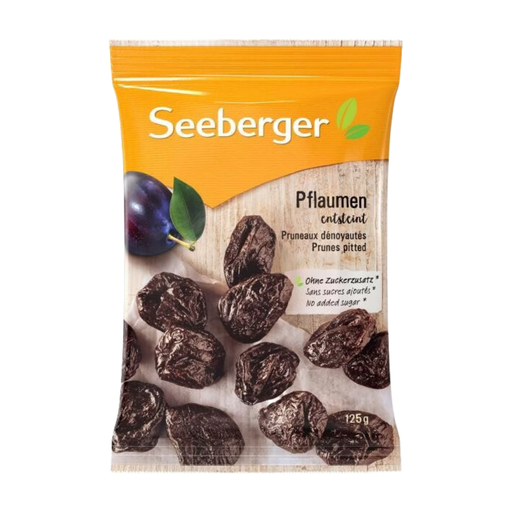 No image available
If you’re looking for dried plums for a lunchbox, you can portion out the amount you want from this 125 g pack. Check the nutrition information to compare energy content, and bear in mind that pitted dried plums may still contain stone fragments.
 No image available
You can portion out some of this 500 g pack in advance for a school break. The pack size isn’t a single portion; also bear in mind that the plums may contain stone fragments.
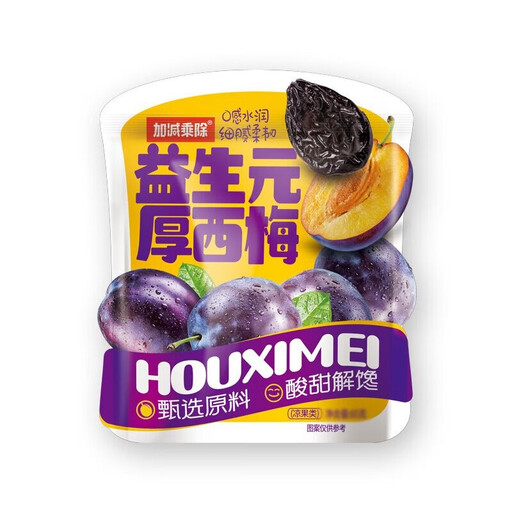 No image available
The 65 g pack can be planned as the amount you take for a school break, but it isn’t automatically a suitable single portion. If you want to avoid sweetening ingredients, take the listed fructose syrup and oligofructose into account; the term ‘Prebiotic’ doesn’t prove a health benefit.
 No image available
The apple rings could be packed as part of a school-break snack or used as an ingredient; the pack contains 80 g. If you have a known sensitivity to sulphites, check the current ingredients and allergen information before choosing them.
 No image available
If you want to pack mango strips for a school break, you can choose how much to take from the 100 g pack. Compare the nutrition information separately from any claims about added sugar; if you have a known sensitivity to sulphites, take note of the sodium metabisulphite warning.
No. Under EU Regulation (EC) No 1924/2006, solid foods must contain no more than 40 kcal per 100 g to make a ‘low energy’ claim. The specific values listed by ALDI SÜD and EDEKA24 for FARMER NATURALS dried plums, Alnatura organic apple rings and KoRo strawberry slices are 221, 279 and 327 kcal per 100 g respectively. For your choice, the information on the relevant pack is what counts.
No. A ‘no added sugar’ claim doesn’t tell you the total sugar or energy content on its own. Seeberger describes its pineapple as having no added sugar, while also noting that it contains naturally occurring sugar. You’ll need the nutrition information for the specific product to compare it.
Dried fruit can be part of a snack. The German Nutrition Society, for example, suggests unsweetened dried fruit as an ingredient in muesli, yoghurt, plant-based spreads or grain salad. Choose an amount that works with the rest of the school-break meal, rather than using the pack size as your portion.
If you have a known sensitivity, check the ingredients and allergen information on the specific pack. EDEKA notes that sulphur may be added to dried fruit; information for one product doesn’t apply to all dried fruit.