If protein is your priority for lunch on the go, treat dried fruit as the fruit component and check the protein contribution of anything you add. Product information from EDEKA and ALDI SÜD gives protein values of 2.7 g and 3 g per 100 g respectively for two dried-fruit examples; ALDI SÜD lists 37 g per 100 g for the pumpkin seed product reviewed. The key is how much you actually eat and what the packaging says about sugars, fat, ingredients and allergens.
Who should take particular care when choosing?
Active people prioritising protein
You want to assess how much protein a snack on the go provides based on your portion, rather than relying on the product name. The German Nutrition Society points out that active people are not a uniform group with identical nutritional needs.
Commuters looking for a fruit snack
You’re after something you can take with you without any preparation. Dried fruit can fit the bill; if protein matters too, compare the nutritional information for an additional seed or nut component.
Snack shoppers checking ingredients and allergens
You want to know before buying whether a mix contains, for example, sulphur dioxide or allergens that matter to you. Always check the ingredients and allergen information on the pack you’re actually choosing.
What should you look for when buying?
First decide whether protein is the main aim of your snack or whether you simply want an easy fruit option. Then compare the nutritional values for your planned portion, as well as the ingredients and allergen information.
| What matters |
What to check before buying |
Who it matters most to |
| Protein contribution |
Compare protein per 100 g and for your planned portion; assess dried fruit, seeds and other snacks separately. |
If I want to plan for protein when I’m out and about, the amount I actually eat needs to fit my snack plan. Protein is the top priority for around 42% of consumers. |
| Fruit snack to take with you |
Check the pack format and ingredients; if protein is also a priority, choose a suitable addition. |
On my commute, I want to have a fruit snack with me that needs no preparation, even if it isn’t my main source of protein. Around 25% of consumers put this convenient fruit option first. |
| Ingredients and allergens |
Read the ingredients list and allergen information on the current pack, especially for mixed products. |
If I need to avoid certain ingredients, the exact composition matters more to me than the protein content or pack format. This check takes priority for around 17% of consumers. |
| Portion and nutritional values |
Compare sugars, energy and fat per 100 g with the amount you plan to eat. |
I want to portion out dried fruit and seeds for lunch without assuming that the per-100 g values tell me everything about my snack. Portion planning is the main concern for around 16% of consumers. |
Common buying mistakes
-
Assuming dried fruit is automatically a high-protein snack
Product information from EDEKA and ALDI SÜD gives protein values of just 2.7 g and 3 g per 100 g respectively for the dried-fruit examples reviewed. According to the consumer advice centre, a ‘high protein’ claim means that at least 20% of the energy value comes from protein – not simply that the product contains some protein.
Compare the nutritional information for the specific product. If you want protein to be a key part of your snack, check a suitable seed, nut or other snack component separately.
-
Confusing per-100 g values with your own portion
EDEKA lists 46 g of sugars per 100 g for the mixed dried fruit reviewed; ALDI SÜD lists 582 kcal and 46 g of fat per 100 g for its pumpkin seed product reviewed. These figures don’t automatically reflect how much you’ll eat on the go.
Decide on your portion, then assess the sugars, energy, fat and protein for that amount.
-
Overlooking allergen information on mixed dried fruit
EDEKA’s mixed dried fruit reviewed lists sulphur dioxide and sulphites in its product information. You can’t reliably tell what a dried-fruit mix contains just by looking at it.
Check the ingredients list and allergen labelling on every pack if sulphur dioxide, sulphites or other ingredients matter to you.
-
Choosing based only on the name on the front
A fruit, nut or protein name alone won’t tell you how much protein your planned portion contains or what other ingredients are in a mix.
Before deciding, compare the nutritional information, ingredients, allergens and pack size of the specific product.
Relevant brands and retailers
Seeberger
Seeberger offers dried fruit, nuts and seeds, as well as nut and fruit mixes, as distinct product types.
- If protein matters more than fruit, you can also consider the brand’s seed and pulse snacks.
- Seeberger describes its Crunchy Fava snack as a mix of broad beans, chickpeas and almonds, and promotes it as high in protein. It isn’t dried fruit, so check the claim against its current nutrition table.
EDEKA Herzstücke
The mixed dried fruit reviewed is a dried-fruit blend for adding fruit to a snack on the go.
- EDEKA says the mixed dried fruit comes in a resealable bag.
- According to EDEKA, the product reviewed contains 2.7 g of protein and 46 g of sugars per 100 g; sulphur dioxide and sulphites are listed in the product information.
ALDI SÜD GUT BIO
The pumpkin seed product reviewed could be added to dried fruit as a separate seed component.
- ALDI SÜD lists 37 g of protein per 100 g for this product.
- For the same product, ALDI SÜD lists 582 kcal and 46 g of fat per 100 g. Assess these values based on the portion you intend to eat.
Alesto bei Lidl
Lidl sells nuts and dried fruit under the Alesto brand. Whether they’re suitable for a protein-focused snack depends on the specific product.
- You can choose fruit and nut products separately based on their taste and nutritional information.
- Lidl promotes certain mango strips as having no added sugar, while also pointing out that they contain naturally occurring sugars. This doesn’t tell you anything about their protein content.
REWE
REWE lists dried fruit and seeds in its online category, so you can consider each product type separately when planning a snack.
- Separating the fruit and seed components makes it easier to compare their respective nutritional information.
- Being listed in the same category says nothing about the protein content of an individual product. Check its ingredients and nutritional values before buying.
Joybuy products for different snack plans
This selection includes pumpkin seeds and a seed mix as possible additions to dried fruit chosen separately, a berry and nut mix with fruit, and a bar for a snack that isn’t focused on dried fruit. For your planned portion, check the latest nutritional and ingredient information for each product.
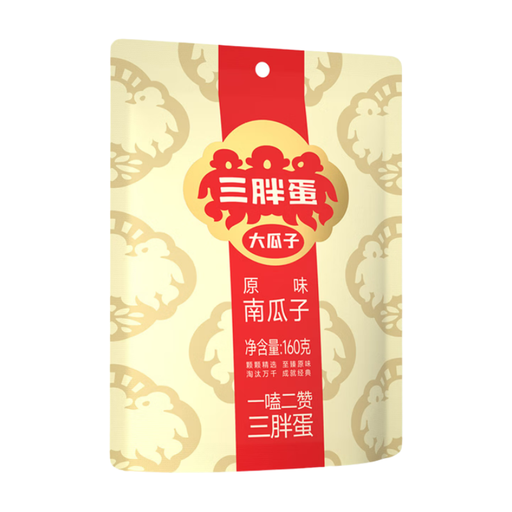 Image unavailable
Sanpangdan Pumpkin Seeds Original Flavour, 160 g (8 × 20 g)
A separately portioned pumpkin seed option if you’d like to add dried fruit of your choice.
The product name indicates eight packs of 20 g each. Check the nutritional information for the portion you’ll actually eat, and check the pack to see whether the seeds are shelled in a way that suits your planned use.
View at Joybuy
 Image unavailable
BE-KIND Protein Caramel Nut, 12 × 50 g
A portioned bar for on the go if you’d like to consider a different kind of snack instead of a dried-fruit mix.
The product name indicates twelve bars of 50 g each. Compare the protein content per bar and read the ingredients and allergen information on the current pack.
View at Joybuy
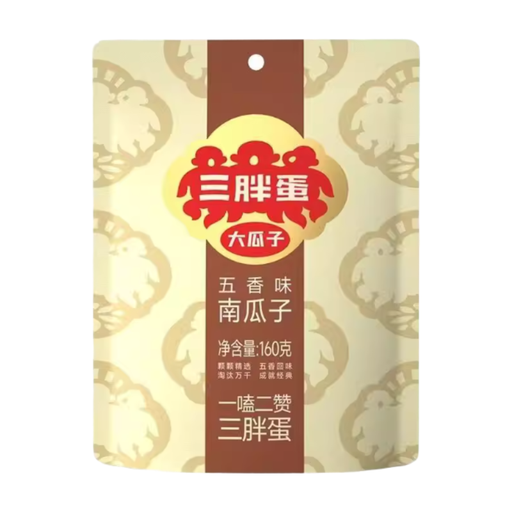 Image unavailable
Sanpangdan Pumpkin Seeds Five Spice Flavour, 160 g (8 × 20 g)
A seasoned pumpkin seed option to add separately if you’d like to choose the fruit component of your snack yourself.
The product name indicates eight packs of 20 g each. Compare the nutritional values for your portion, and check the ingredients and allergen information for this seasoned variety.
View at Joybuy
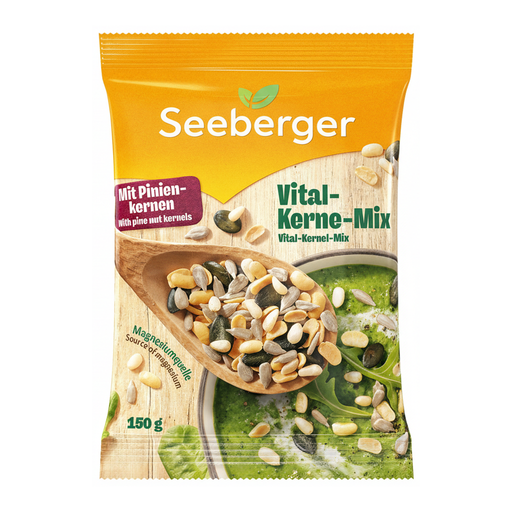 Image unavailable
Seeberger Vital Salad Seed & Kernel Mix, 150 g
A seed mix to pair separately with dried fruit if you’d like to choose more than one type of seed.
The product name indicates a 150 g pack. Choose your own portion and check the nutritional information, ingredients and allergens for that amount.
View at Joybuy
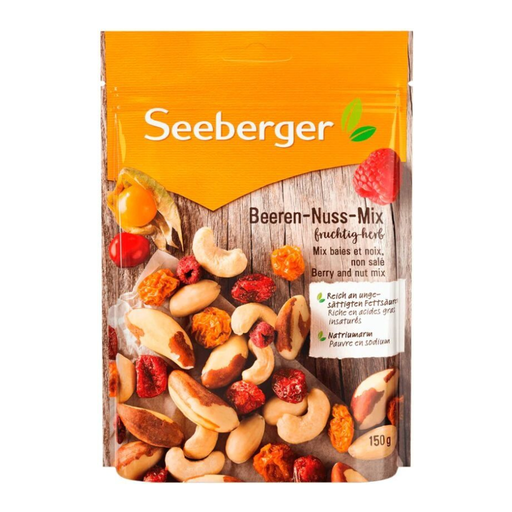 Image unavailable
Seeberger Soft Berry & Roasted Nut Mix, 150 g
A berry and nut mix if you’d prefer fruit and nuts together in one snack rather than as separate components.
The product name indicates a 150 g pack. For your portion, check the protein and sugars, as well as the ingredients and allergen information.
View at Joybuy
Frequently asked questions
Is dried fruit automatically ‘high protein’?
No. The term dried fruit doesn’t tell you whether a product is high in protein. EDEKA and ALDI SÜD list 2.7 g and 3 g of protein per 100 g respectively for the dried-fruit examples reviewed. The consumer advice centre explains that at least 20% of the energy value must come from protein for a ‘high protein’ claim.
How can I pair dried fruit with a source of protein when I’m out and about?
You can choose the fruit and a portion of seeds or nuts separately, then compare their nutritional values for the amounts you actually plan to eat. ALDI SÜD lists 37 g of protein per 100 g for the pumpkin seed product reviewed, but also 582 kcal per 100 g, so the per-100 g value isn’t the same as the value for your portion.
What should I look for in sulphured dried fruit?
Check the ingredients list and allergen labelling on the specific pack, especially if sulphur dioxide or sulphites matter to you. EDEKA’s mixed dried fruit reviewed lists both in its product information; the European Union includes sulphur dioxide and sulphites on its allergen list at concentrations above 10 mg/kg or 10 mg/l.
How should I store seeds after opening them for later snacks?
Keep them dry and tightly sealed. Seeberger recommends storing its pumpkin seeds in a resealable bag or an airtight container; also follow the storage instructions on the specific pack you have.


