Dried fruit makes a tasty fruity snack to take with you on your summer holidays. However, if protein is your top priority when choosing a snack for sport, it shouldn’t be your only source of protein. Compare the nutritional values per 100 g and check the ingredients. A nut mix or a separate source of protein will change the make-up of your snack, but also brings its own ingredient and allergen considerations.
Who is this choice relevant to?
Active people who prioritise protein
If you take a snack with you on training days, you can choose dried fruit for its flavour and get your protein from an additional source of your choice. The German Nutrition Society covers protein in the context of sport; you can check the protein content of a particular snack in its nutritional information.
People who want something fruity on the go
Dried fruit can be a convenient snack for a journey, a walk or a day at the beach. If you’ll be carrying it around for a while, it’s worth checking the pack size and storage instructions.
Shoppers checking ingredients and allergens
If you need to avoid sulphur dioxide, nuts or certain other ingredients, check the information on the specific pack. The ingredients list, allergen information and nutritional values each answer different questions.
What should you look for when buying?
First decide whether you’re mainly looking for dried fruit to take with you, or a snack with an additional source of protein of your choice.
Dried fruit on its own
A good fit if: You want a fruity snack to take on an outing.
Worth bearing in mind: EDEKA24 lists 7.6 g of protein and 51 g of carbohydrates per 100 g for KoRo strawberry slices. A protein figure on its own doesn’t make dried fruit a complete source of protein.
Dried fruit with nuts or seeds
A good fit if: You want fruit and nuts or seeds together in a snack you can take with you.
Worth bearing in mind: Seeberger Power Nut Mix provides 22 g of protein, 55 g of fat and 638 kcal per 100 g, according to its nutritional information. Nuts also affect the allergen profile.
Dried fruit as a side snack
A good fit if: You want dried fruit for its flavour and plan your protein intake using a separate source of your choice.
Worth bearing in mind: Check the nutritional information for both items and, if you’re taking them out with you, their respective storage instructions.
| Criterion |
What to check when buying |
Who it matters most to |
| Protein for sport |
Compare protein per 100 g and for the portion you’ll actually eat; choose an additional source of protein if needed. |
Around training days, I want to know how much protein my snack actually contains, rather than relying on the name of a mix. This is the top priority for around 42% of consumers. |
| Ingredients and suitability |
Read the ingredients list and allergen and may-contain information; compare the sugar content separately in the nutritional information per 100 g. |
If sulphur dioxide, nuts or added ingredients matter to me, the specific pack needs to meet my requirements. Ingredients and suitability are the top buying priority for around 33% of consumers. |
| A snack to take with you |
Check the pack size and storage instructions for your planned outing. |
For a journey or a walk, I want to take something fruity that’s easy to pack; protein is less important. Around 25% of consumers put this need first. |
Common selection mistakes
-
Assuming dried fruit is a complete protein snack because of its protein content
EDEKA24 lists 7.6 g of protein and 51 g of carbohydrates per 100 g for KoRo strawberry slices. The protein figure alone doesn’t tell you whether the snack as a whole meets your needs.
If protein is your priority, compare the nutritional information and, if necessary, choose dried fruit alongside a separate source of protein.
-
Assuming ‘no added sugar’ means low in sugar
A claim about added sugar is not the same as the sugar figure in the nutritional information. REWE lists 60 g of sugar per 100 g for Seeberger Delicatessen Figs.
If both matter to your choice, check the ingredients list as well as the sugar content per 100 g.
-
Overlooking sulphur dioxide and allergen warnings
REWE lists sulphur dioxide as an ingredient in ja! dried apricots. Other dried fruit products may also carry warnings about nuts or peanuts.
Check the ingredients and allergen information on each specific pack, especially if you’re buying a different variety.
-
Comparing a nut and fruit mix with plain dried fruit
As well as changing the protein content, nuts affect the fat and energy content and introduce allergens to consider. Seeberger lists 22 g of protein, 55 g of fat and 638 kcal per 100 g for its Power Nut Mix.
Compare mixes using their full nutritional information and ingredients, not just their fruit content or protein figure.
Brands to consider
Seeberger
The range includes dried fruit and nut mixes to suit different needs.
- REWE lists 3.9 g of protein per 100 g for its Delicatessen Figs; Seeberger lists 22 g per 100 g for its Power Nut Mix.
- The higher protein content comes from the nut mix, not the figs. The mix also contains more fat and includes nuts, which may be an allergen.
ja!
The dried apricots and soft apricots reviewed here are dried fruit options for a fruity snack.
- REWE lists 2.7 g of protein per 100 g for its dried apricots and 2.1 g per 100 g for its soft apricots.
- Sulphur dioxide is listed as an ingredient in both varieties reviewed. If protein is your main priority, compare the protein content with that of other snack ingredients.
EDEKA
EDEKA24’s category overview includes apricots, currants and dates, as well as nuts and seeds.
- You can consider fruit products and nut or seed products as different types of snack.
- For nutritional comparisons, use the information for the specific variety you’ve chosen, not the category name.
Nut and fruit mixes at Joybuy
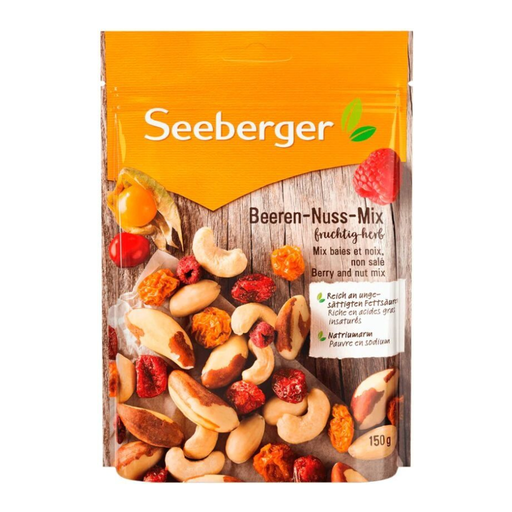
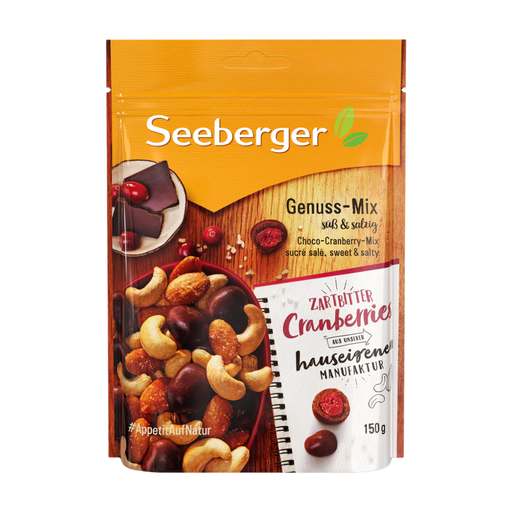
These two mixes combine fruit and nuts, making them suitable if you’re looking for a nut and fruit snack to take with you. If you’re mainly looking for plain dried fruit, don’t compare them as like-for-like alternatives to a pack of dried fruit.
 No image available
Seeberger Soft Berry & Roasted Nut Mix, 150 g
A berry and nut mix for anyone who wants to take fruit and nuts along together.
Pack size: 150 g. Some of the berries are sweetened; if you have a nut allergy, check the allergen information on the pack.
View at Joybuy
 No image available
Seeberger Pleasure Nut & Fruit Mix, 150 g
A nut and fruit mix to take with you when you want nuts as well as fruit.
Pack size: 150 g. The mix also contains chocolate and nuts; if you need to avoid soya, almonds or peanuts, check the allergen information before buying.
View at Joybuy
Frequently asked questions
Is dried fruit enough of a protein snack after exercise?
If protein is your main priority, don’t rely on dried fruit as your only source of protein. REWE lists 2.7 g of protein per 100 g for Biofarm Apricots and 3.9 g per 100 g for Seeberger Delicatessen Figs; EDEKA24 lists 7.6 g per 100 g for KoRo strawberry slices. Compare these figures with the nutritional information for an additional source of protein you choose.
How do I compare the protein content of different dried fruits?
First compare the nutritional information per 100 g, then consider how much you actually plan to eat. The German Food Federation explains that a standard figure per 100 g makes foods easier to compare; serving information can help put the figures into context.
How can I tell whether dried apricots contain sulphur dioxide?
Check the ingredients list and any highlighted allergen information on the specific pack. REWE lists sulphur dioxide as an antioxidant in the ja! dried apricots reviewed here.
How should I take dried fruit with me in summer?
Choose a pack size to suit your outing and follow the storage instructions for the product. The dried fruit and nut products reviewed here recommend, among other things, storing them in a dry place or protecting them from heat and moisture.


