For a calorie-conscious student dinner, compare the calories per 100 g and the amount you plan to use, rather than choosing dried fruit based solely on claims such as ‘no added sugar’. EDEKA’s product information lists 239 kcal per 100 g for organic soft apricots and 252 kcal per 100 g for Herzstücke mixed fruit. The ingredients and pack size also help determine whether a particular fruit is right for your planned dish.
Who should take care when choosing?
People comparing calories and portion sizes
If you’re planning to use dried fruit as a small ingredient or snack, compare the nutritional information per 100 g, then decide how much to add to your dish. The German consumer advice centre explains that removing water concentrates the sugars and calories per 100 g.
Students planning ingredients for several dishes
For porridge, couscous, salad or baking, consider whether you’ll actually use the fruit in your planned dishes, as well as the pack size. A larger pack is practical if you can use it all and store it properly once opened.
People checking ingredients and product information
If you want to avoid added sugar or sulphur dioxide, check the specific ingredients list. EDEKA’s product information lists sulphur dioxide in its Herzstücke fruit mix. ‘No added sugar’ doesn’t mean that dried fruit is sugar-free.
What should I look for when buying?
First decide whether the dried fruit is for a recipe or a snack. Then compare the nutritional information on the same basis and check the ingredients, as well as whether the pack size is one you can use.
| Criteria |
What to check when buying |
Who it matters most to |
| Calories and portion size |
Compare the calories per 100 g and decide how much to use in your dish. |
If I only want a small amount of dried fruit as a sweet ingredient, I want to be able to judge how much it adds to the dish. Around 36% of consumers put calories and the amount used first. |
| Pack size |
Check that the pack size suits your planned dishes; if buying a larger pack, follow the storage instructions. |
A larger pack only suits me if I’ll use the fruit after my first dinner, too. For around 29% of consumers, choosing the right pack size comes first. |
| Ingredients and product information |
Check the ingredients list, sugar per 100 g, and any sulphur dioxide and allergen information. |
If I need to avoid particular additives or allergens, the labelling is key to my decision. This is the main criterion for around 21% of consumers. |
| How it works in a dish |
Choose between soft fruit for chopping or stirring in, and crunchy toppings. |
I want the fruit to bring a particular texture to my dinner, rather than simply serving as a snack. Around 14% of consumers focus mainly on how it works in a recipe. |
Which common pitfalls can I avoid?
-
Assuming ‘no added sugar’ means low in sugar
The fruit still contains its natural sugars. According to the German consumer advice centre, removing water increases the sugar and calorie content per 100 g.
Compare the sugar and calorie figures in the nutritional information, then decide how much you want to use in your dish.
-
Planning to use sweetened cranberries as if they were unsweetened
EDEKA’s product information lists 39% added sugar and 331 kcal per 100 g for GUT&GÜNSTIG cranberries.
Check the ingredients list when buying cranberries. If you’re choosing them for their flavour in a recipe, take the amount you use into account.
-
Buying a larger pack without a plan for using it
A large pack isn’t much help if you only need a small amount once, or can’t store the rest properly after opening.
Plan what else you’ll make before buying, and follow the storage instructions on the pack.
-
Overlooking sulphur dioxide in the ingredients list
EDEKA’s product information lists sulphur dioxide in its Herzstücke mixed fruit. If you have a related intolerance, check the information on the specific pack.
Read the ingredients and allergen information for each product rather than assuming you know the recipe from the type of fruit.
Useful brands to consider
Seeberger
Seeberger’s range includes classic dried fruit and freeze-dried options in a variety of pack sizes.
- The range of textures makes it easier to find something for cooking or a crunchy topping.
- The drying method and brand alone don’t tell you the calorie content of a specific pack.
EDEKA Herzstücke
The range includes dried mixed fruit, which you can compare by its nutritional information and ingredients.
- EDEKA lists 252 kcal per 100 g for its mixed fruit.
- According to EDEKA, the mixed fruit contains sulphur dioxide; check the information on the specific pack.
GUT&GÜNSTIG
EDEKA’s own-label range includes prunes in a 500-g pack, as well as sweetened cranberries.
- You can choose between different fruits and pack sizes to suit how you plan to use them.
- The recipes vary: EDEKA lists added sugar in its cranberries and potassium sorbate in its prunes.
Alesto
Lidl’s Alesto range includes nuts and dried fruit, such as mango strips.
- The range includes other types of snack as well as dried fruit.
- For any specific dried fruit, check the ingredients and nutritional information on the pack.
Dried fruit and fruit snacks at Joybuy
This selection includes dried fruit for porridge, baking or snacking, as well as preserved plums as a separate snack option. The right pack for your dinner depends on how you plan to use it and what it contains.
 No image available
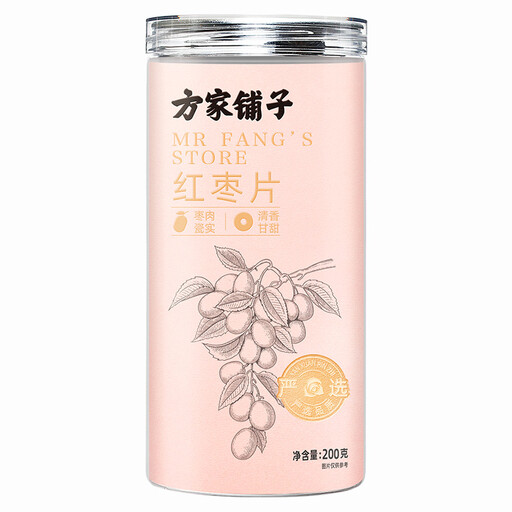
Fang Jia Puzi red date slices, 200 g
These sliced dates could be used in porridge or baking. Check the nutritional information on the pack to work out how much to use.
View at Joybuy
 No image available
Seeberger dried apple rings, 80 g
These apple rings are an option for muesli or baking. If you need to avoid sulphites, check the ingredients and allergen information on the pack before buying.
View at Joybuy
 No image available
Seeberger pitted Deglet Nour dates, 500 g
These pitted dates could be added to porridge or baking. With a 500-g pack, it’s worth thinking about how you’ll use the rest and store it after opening.
View at Joybuy
 No image available
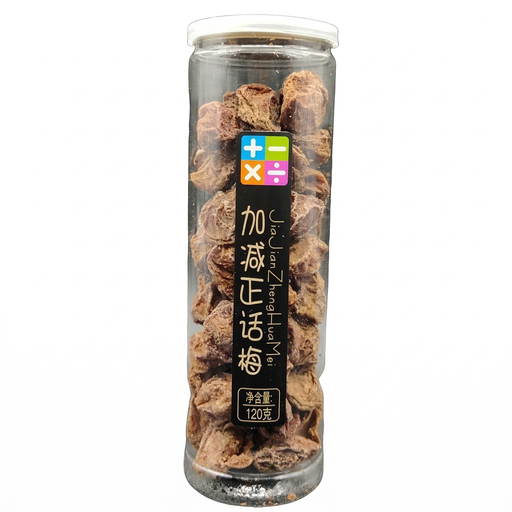
Jia Jian Cheng Chu preserved sweet and sour plums, 120 g
These preserved plums are intended as a snack, rather than as a directly comparable dried fruit ingredient for dinner. Pay particular attention to the information about salt, sweeteners and phenylalanine on the pack.
View at Joybuy
Frequently asked questions
Are dried fruits with fewer calories ‘low energy’?
Having fewer calories than the other dried fruits being compared doesn’t automatically make a product ‘low energy’. EDEKA lists 239 kcal per 100 g for its organic soft apricots and 294 kcal per 100 g for GUT&GÜNSTIG prunes. Always compare figures on the same basis, without treating them as a general nutrition claim.
Does ‘no added sugar’ mean dried fruit is low in sugar?
No. On its own, the claim doesn’t tell you how much naturally occurring fruit sugar the product contains. Check the sugar figure per 100 g in the nutritional information as well as the ingredients list.
What should I look out for with sulphites and allergens?
The ingredients and allergen information on the specific pack are what matter. EDEKA lists sulphur dioxide in its Herzstücke mixed fruit; if you have a related intolerance, check each variety individually.
How should I store an opened pack for use in other dishes?
Follow the storage instructions on the pack and seal it securely again after taking out what you need. If you buy a larger pack, plan when you’ll use the remaining fruit.


