Housemates buying for a shared cupboard
If several people share a pack, choose a type that suits their usual meals and an amount they can get through in a reasonable time.


A 500 g pack of sultanas or prunes is a sensible starting point for a student house share if several people eat that type regularly or use it for cooking and baking. What matters is how much you actually use, the storage instructions and the ingredients in the specific pack. For a fruit that only a few people like, a smaller amount may be a better fit.
If several people share a pack, choose a type that suits their usual meals and an amount they can get through in a reasonable time.
If you want to avoid sulphur dioxide, other additives or certain allergens, check the details on the specific pack rather than relying on a general statement about dried fruit.
Individual fruits or mixes may work for muesli, baking and snacks. With a mix, make sure you’ll actually use all the ingredients.
First, decide which fruits people in your house share eat regularly. Then choose the pack size, storage option and ingredients to suit.
| Criterion | What to check when buying | Who it matters to |
|---|---|---|
| Shared cupboard staple | Choose a single fruit that several people use regularly, and match the pack size to how much you’ll use. | If sultanas or prunes regularly go into muesli or baking recipes in your house share, choose a pack that will last for this regular use. Around 36% of consumers prioritise this kind of shared staple. |
| Pack size and storage | Check whether the pack can be resealed, the storage instructions and how quickly you’re likely to use it once opened. | If you’ll take a while to get through a large pack, you’ll want to store the opened fruit properly and avoid leftovers going to waste. Around 29% of consumers prioritise this. |
| Ingredients and sulphites | Read the ingredients list and any highlighted allergen information on the specific pack. Check for sulphur dioxide and other additives if relevant. | If you need to avoid certain ingredients, check the composition before choosing a type. For around 21% of consumers, checking the ingredients is the most important criterion. |
| Variety and how you’ll use it | For mixes, check that the fruit included suits the snacks and recipes you have planned. | If you want dried fruit for both snacking and baking, make sure everyone in the house share likes the varieties in the pack. Around 14% of consumers put this versatility first. |
According to EDEKA, its EDEKA Herzstücke five-fruit mix also contains sunflower oil, potassium sorbate and sulphur dioxide. The description on the front of the pack is no substitute for checking the ingredients list.
Check the ingredients and allergen information on every specific mix, especially if anyone in your house share needs to avoid certain substances.
500 g is a good fit for a shared cupboard only if people in your house share use that fruit regularly and can store it according to the pack instructions.
Start with a type that several people enjoy before opening several large packs of different fruits.
Packs left open for a long time or not used take up storage space, and the quality may decline over time.
Lidl describes Solevita as a range of juices and other drinks. Its dried fruit brand is Alesto.
Look for the type of fruit you want and check the details of the individual Alesto product, rather than assuming that a drinks brand also sells dried fruit.
Seeberger sells individual dried fruits, including dates, plums, currants and sultanas. 500 g packs are also available for several varieties.
REWE sells, among other products, pitted prunes under its ja! brand in a 500 g pack.
The range includes a 250 g mix of apricots, plums, pears, peaches and apple rings in a resealable pouch.
Lidl’s Alesto range includes nuts, dried fruit and snacks, including mango strips.
ALDI SÜD sells, among other products, sultanas and prunes in 500 g packs under its FARMER NATURALS brand.
This selection includes dried fruit in packs ranging from 500 g to 1 kg. For a shared house cupboard, the main differences are the type of fruit, how it is portioned and whether it needs preparing before eating.
 No image available
An option for housemates who regularly eat prunes. Check for any possible fragments of stones before eating.
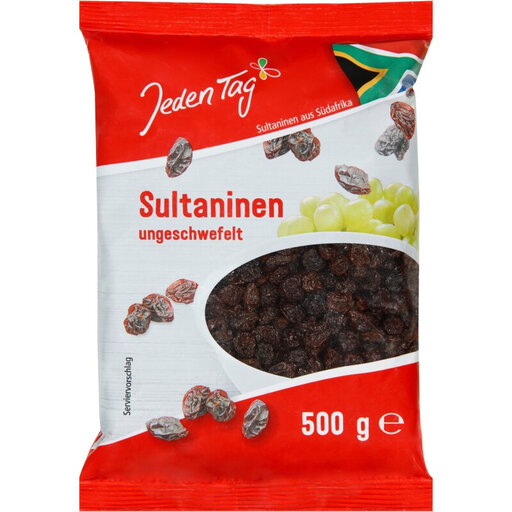 No image available
For a house share that regularly uses sultanas as a snack or for breakfast and baking. If other ingredients matter to you, check the details on the specific pack.
 No image available
For a house share that specifically wants to use jujubes. Before opening, make sure you can use the 500 g pack together, following the storage and preparation instructions.
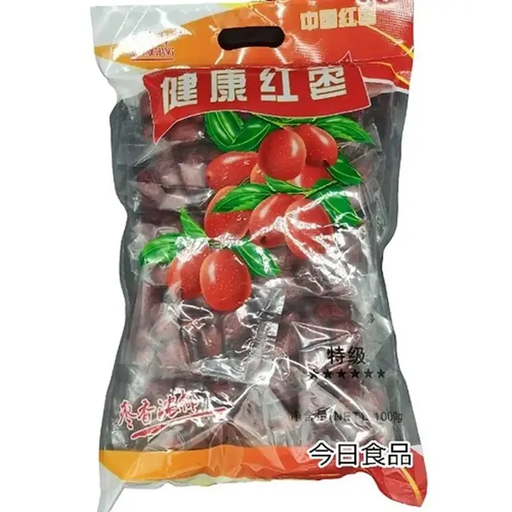 No image available
The 1 kg pack may suit a house share where red dates are a regular part of the menu. Make room for the larger pack and follow the storage instructions on the label.
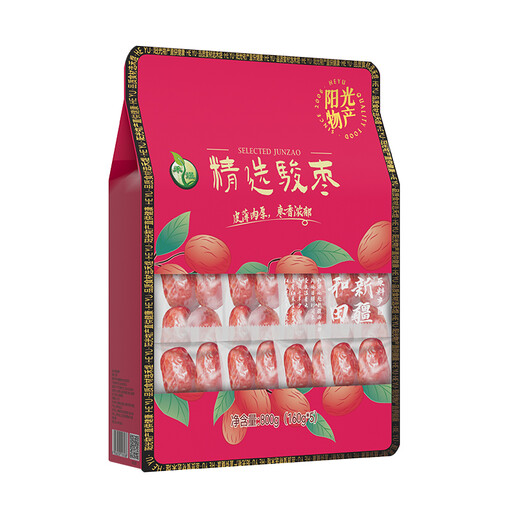 No image available
The five individual pouches suit a house share that wants to use jujubes in cooking a portion at a time. Wash thoroughly and cook completely before eating; do not eat raw.
For pre-packed dried fruit, check the ingredients list and any highlighted allergen information. The German Federal Office of Consumer Protection and Food Safety explains the labelling requirements for the main substances that can cause allergies or intolerances. If a product contains sulphur dioxide or sulphites, the details on the specific pack are what matter.
No. Seeberger describes its unsulphured varieties as products with no added sulphur dioxide, while EDEKA lists sulphur dioxide in its five-fruit mix. The other ingredients may differ too, so compare the specific packs.
Follow the instructions on the specific pack and choose a place that everyone in the house share can use for the shared supplies. REWE specifically recommends storing ja! prunes in a dry place away from heat.
No. 500 g is a good fit mainly when several people regularly use that fruit and can store the opened pack properly. If you’re unsure whether a variety will be popular, or only a few people like it, starting with a smaller amount is easier to plan.