Students looking for protein
If you’re specifically looking for protein to fuel longer study sessions, don’t assume plain dried fruit is the same as a nut-based mix. The protein content on the specific pack is what matters.


If protein is your priority in a snack for long study sessions, plain dried fruit isn’t the obvious choice. A nut and fruit mix, or separately portioned nuts and seeds, is likely to suit you better. Compare protein, sugar and energy per 100 g, as well as the ingredients and allergens listed on the specific pack.
If you’re specifically looking for protein to fuel longer study sessions, don’t assume plain dried fruit is the same as a nut-based mix. The protein content on the specific pack is what matters.
If you’re mainly after fruity flavour and a snack with a long shelf life, dried fruit could be a good choice. The sugar and energy per 100 g will help you work out how your planned portion fits in.
If you want to combine nuts, seeds and dried fruit yourself, or need to avoid certain ingredients, check the ingredients list, allergens and, where relevant, any sulphur dioxide warnings.
Start by deciding whether protein, fruit flavour or the ingredients are your priority. Then compare the nutritional information on a like-for-like basis and decide what portion you’d like to eat while studying.
A good choice if: You’re mainly looking for a fruity snack with a long shelf life, or an ingredient for muesli.
The trade-off: Removing the water concentrates the sugar and energy per 100 g. If protein is your priority, you’ll need to add another suitable ingredient.
A good choice if: You want to eat dried fruit and nuts together without mixing them yourself.
The trade-off: The nuts contribute to the protein content, but mixes can also vary in sugar, energy and allergens.
A good choice if: You want to choose the types and quantities of fruit, nuts or seeds yourself.
The trade-off: You’ll need to portion the ingredients yourself and check the relevant allergen information on packaged products.
| What to consider | What to check when buying | Who it matters to |
|---|---|---|
| Protein | Compare protein per 100 g and per planned portion; consider the fruit and nut content of the mix. | For long study sessions, I want to choose a snack with more protein rather than judging it by its fruit content alone. Around 42% of consumers put this protein comparison first. |
| Fruit and portion size | Compare sugar and energy per 100 g, then decide how much you want to eat. | I like fruity flavours, but I don’t want to lose track and eat too much from a large pack while studying. This is the main concern for around 33% of consumers. |
| Ingredients and allergens | Check the ingredients list, highlighted allergens, possible traces and, where relevant, sulphur dioxide. | If I need to avoid certain ingredients or want a simple mix, the labelling will determine what I choose. This is the most important factor for around 25% of consumers. |
In a nut and fruit mix, the higher protein content comes mainly from the nuts, not the dried fruit. The product name alone doesn’t tell you much about its protein content.
Compare the protein per 100 g and check how many nuts or seeds the mix contains.
It’s easy to lose track of how much you’re eating while studying. The trail mix examples listed by EDEKA24 and ALDI SÜD contain 507 and 505 kcal per 100 g respectively.
Before you start, put your chosen portion in a bowl or container and reseal the pack.
Dried fruit naturally contains sugar, which becomes concentrated per 100 g when the water is removed. No added sugar doesn’t change that.
As well as checking the ingredients list, read the ‘of which sugars’ figure in the nutrition table.
Nut and fruit mixes may contain several types of tree nut. Dried fruit may also carry a sulphur dioxide warning.
If you have a relevant allergy or intolerance, check the full ingredients list, highlighted allergens and any precautionary allergen information on the specific pack.
Seeberger offers dried fruit and nut and fruit mixes. For its trail mix with nuts and raisins, the nutritional values depend on the exact ingredients.
REWE stocks dried fruit, seeds and nut and fruit mixes in its online range.
EDEKA24’s range includes plain dried fruit, seeds and trail mix.
Lidl describes Alesto’s range as including natural nuts, dried fruit and snack mixes.
ALDI SÜD sells a Farmer Naturals Classic Trail Mix in a 200-g pack.
This selection includes nut and fruit mixes for a ready-made snack, as well as pumpkin seeds you can pair with dried fruit to create your own mix. Check the labelling of each product to choose a suitable portion for your study session.
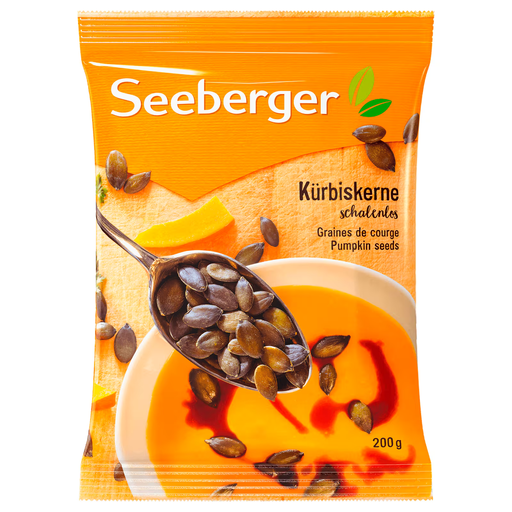 No image available
For putting together your own study snack with dried fruit of your choice. The 200-g pack contains shelled pumpkin seeds; dried fruit is not included.
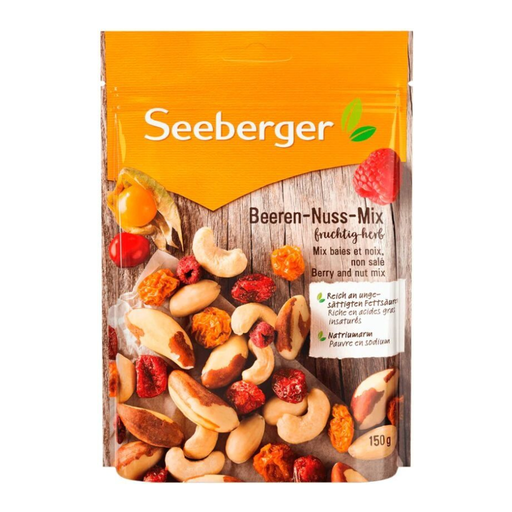 No image available
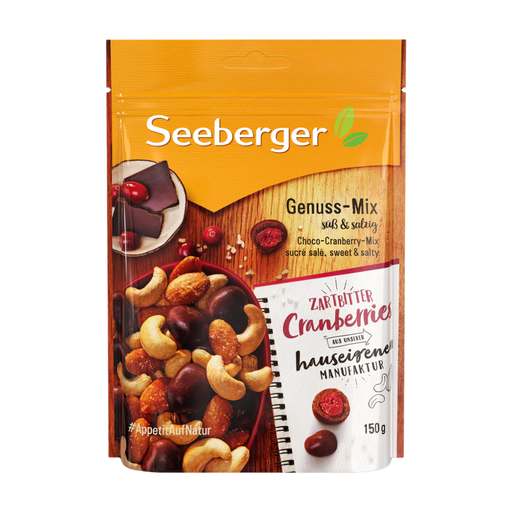
For anyone who wants a ready-made mix of berries and roasted nuts to enjoy while studying. For the 150-g pack, check the ingredients, nutritional values and allergen information against your planned portion.
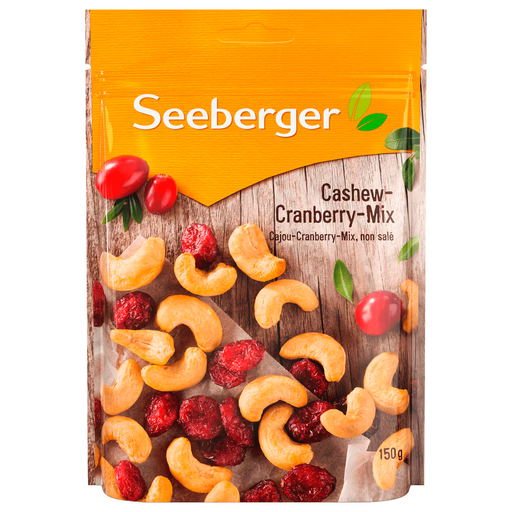 No image available
A ready-made cashew and cranberry mix for a fruity study break. The pack contains 150 g; if you have a cashew allergy, check the ingredients and allergen information carefully.
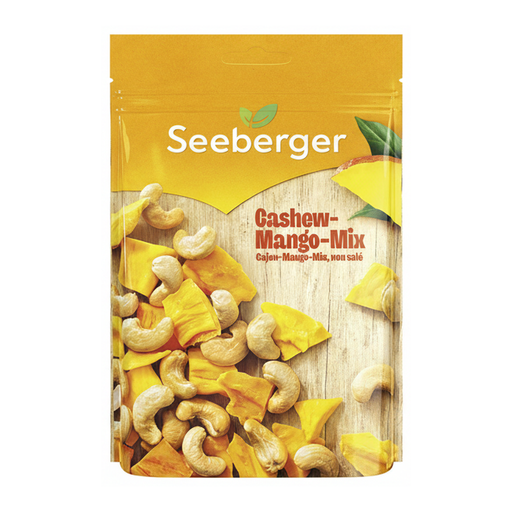 No image available
A ready-made mix of mango and cashews, instead of separately portioned ingredients. For the 150-g pack, pay particular attention to allergen labelling and, if relevant to you, any sulphur dioxide warnings.
 No image available
A ready-made nut and fruit mix for anyone who wants both in one snack. Check the ingredients and nutritional information on the 150-g pack before deciding on your portion.
No. Plain dried fruit isn’t the obvious choice if protein is your priority. If you want to combine fruit and nuts, compare the protein content of the ready-made mix per 100 g and per your planned portion.
No. The protein figure in grams alone isn’t enough. Under EU Regulation (EC) No 1924/2006, at least 20% of a food’s energy content must come from protein for this claim to be used. So don’t judge a nut and fruit mix by its protein figure in grams alone.
No. Dried fruit naturally contains sugar, even without added sugar. Drying concentrates it per 100 g, so check the ‘of which sugars’ line in the nutrition information when comparing products.
For every pack, read the ingredients list, highlighted allergens and any precautionary allergen information. Dried fruit may also carry a sulphur dioxide warning. The Verbraucherzentrale explains which ingredients and allergen details to look for on packaged foods.