Students keeping an eye on portions
You want to have a sweet snack ready for longer study sessions without losing track of how much you’ve eaten. That makes the calories per 100 g, pack size and a portion you’ve set aside yourself all important.


Dried fruit isn’t automatically low in calories when you’re taking a study break: removing the water concentrates the sugar and energy per 100 g. So compare the nutritional information for the specific products and set aside a portion before you start studying. Freeze-dried fruit offers a crunchy alternative, but it isn’t automatically lower in calories either.
You want to have a sweet snack ready for longer study sessions without losing track of how much you’ve eaten. That makes the calories per 100 g, pack size and a portion you’ve set aside yourself all important.
You want to avoid added sugar or need to take sulphur dioxide and sulphites into account. Check the ingredients list, nutritional information and allergen advice on the specific pack rather than relying on terms such as ‘naturally sweet’ alone.
You prefer the texture of freeze-dried fruit to soft dried fruit. Even if the pack feels light, it’s worth checking the nutritional information per 100 g and how much you actually plan to eat.
If dried fruit is going to be your study snack, first compare the nutritional information on the same basis, then decide on your portion. Ingredients and texture can help you choose between products that suit your needs.
| Criteria | What to check | Who it matters to |
|---|---|---|
| Calories and portions | Compare kcal per 100 g and set aside the amount you want before you start studying. | I don’t want to keep eating from the pack without noticing while I study. Portion control is a priority for around 42% of consumers. |
| Ingredients and sulphites | Check the ingredients list for added sugars and candied ingredients, and the pack for sulphur dioxide and sulphites. Also check the ‘of which sugars’ figure. | If I need to avoid added sugar or watch my sulphite intake, accurate labelling matters to me. Ingredients and allergens are the most important buying criteria for around 33% of consumers. |
| Texture and portability | Choose between soft and freeze-dried fruit, taking pack size and nutritional information per 100 g into account. | For a study break on the go, I’m mainly looking for something crunchy or easy to carry. This preference makes the difference for around 25% of consumers. |
Drying removes water. The Verbraucherzentrale (German Consumer Advice Centre) notes that this concentrates the sugar and energy per 100 g compared with fresh fruit. Freeze-dried fruit is no exception.
Compare the energy value per 100 g and set aside a portion. If a lower energy density matters to you, include fresh fruit in your selection.
Dried fruit contains naturally occurring sugars, even when no sugar has been added. According to the Verbraucherzentrale, you can’t tell the sugar content from phrases such as ‘naturally sweet’ alone.
Check both the ‘of which sugars’ figure in the nutritional information and the ingredients list, particularly for sweetened or candied varieties.
You can’t reliably tell from the colour whether sulphur dioxide or sulphites are present. For example, EDEKA lists these in its Herzstücke mixed fruit.
If you need to watch your sulphite intake, check the ingredients and allergen information on the specific pack before eating.
These brands and retailers offer a range of dried fruit. When choosing a particular product, its ingredients and nutritional information are what matter.
The range includes classic, soft and freeze-dried fruit, as well as sweetened varieties.
The range includes sultanas, apple crisps and freeze-dried strawberries, among other products.
Ingredients and nutritional information are provided for individual dried fruit products.
One documented product in this range is dried plums in a 500-g pack.
This selection includes soft dried plums and dates for study breaks. The pack sizes can help you plan, but a pack isn’t automatically one portion.
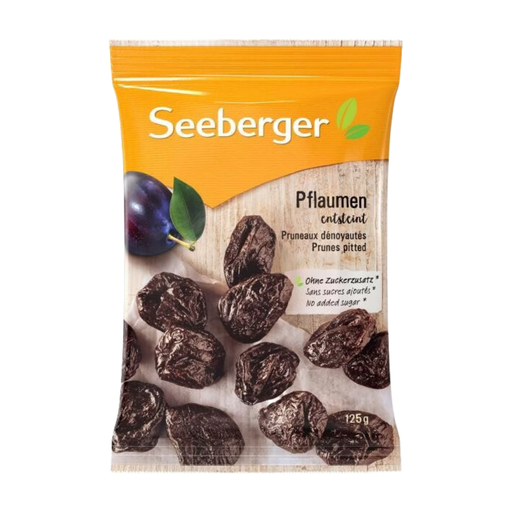 No image available
For study breaks when you’d like to portion soft dried plums yourself from a 125-g pack.
Pitted; even so, check for any stone fragments before eating.
 No image available
The 500-g pack is a good choice if you want to have soft dried plums ready for several study breaks and portion some out each time.
Pitted; check for any stone fragments as you eat.
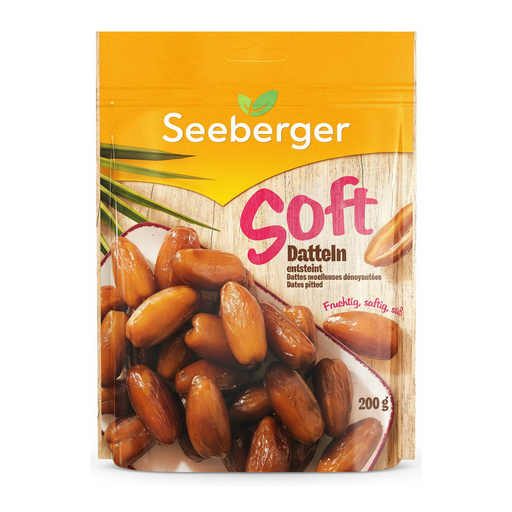 No image available
For a study break with soft dates, when you’d like to choose your own portion from the 200-g pack.
To help you decide, compare the nutritional information for these dates per 100 g with that of other dried fruit.
Not automatically. Water is removed from these fruits too, which concentrates their nutritional values per 100 g, as the Verbraucherzentrale notes. Compare the information for the specific products and the amount you plan to eat.
No, this wording doesn’t mean a product is sugar-free. Dried fruit contains naturally occurring sugars, so also check the ‘of which sugars’ figure in the nutritional information and read the ingredients list.
Start by comparing kcal per 100 g, then decide on your portion. ALDI SÜD lists 221 kcal per 100 g for one FARMER NATURALS dried plum product, while EDEKA lists 252 kcal per 100 g for one Herzstücke mixed fruit product. These figures apply to the products in question, not to all dried plums or fruit mixes.
Store opened dried fruit in a cool, dark and dry place. REWE recommends these conditions for dried fruit; also follow the storage instructions on the pack.