For an afternoon snack that needs to meet specific requirements around sulphites or allergens, check the labelling on the particular pack of dried fruit rather than relying on the term ‘unsulphured’ alone. Check the ingredients, highlighted allergens and possible traces. If you also want to avoid added sugar or take small portions with you, compare the ingredients lists and choose a pack size that suits how much you’ll use.
Who should take particular care when choosing?
People who avoid sulphites or certain allergens
If you need to avoid sulphur dioxide, sulphites or a particular allergen in your afternoon snack, check the information on the current pack. ‘Unsulphured’ doesn’t tell you whether other allergenic ingredients or possible traces are listed. Product information from EDEKA and REWE also mentions possible traces in sultanas.
People who prefer a short ingredients list
If you want to avoid added sugar or mixes with other ingredients, the ingredients list is more useful than the front of the pack. Dried fruit with a short ingredients list still contains naturally occurring sugar; the nutritional information tells you more about the specific variety.
People who portion out snacks to take with them
If you want a pack to last for several afternoons, choose a size that suits you and check how to store it after opening. For freeze-dried red berries, REWE recommends sealing the bag well and storing it somewhere dry and away from light.
What should you look for when buying?
First, work out which ingredients or allergens you need to avoid. Then compare the other ingredients and nutritional information. Finally, consider the pack size and storage advice to see how well the snack fits into your day-to-day routine.
| What to check |
What to look for when buying |
Who it matters most to |
| Sulphites and allergens |
Read the ingredients list, highlighted allergens and any possible trace warnings on the particular pack. ‘Unsulphured’ on its own says nothing about other allergens. |
If I need to avoid sulphites or a particular allergen, I need information I can check against my requirements. For around 42% of consumers, this is their main consideration when buying. |
| Ingredients and sugar |
Check the ingredients for added sugar and other components. The nutritional information per 100 g shows the sugar content of each variety, even when no sugar has been added. |
I want to know whether I’m buying fruit on its own or a mix with other ingredients for my snack. Around 33% of consumers make this their main priority. |
| Portion size and storage |
Choose a suitable pack size and follow the storage advice after opening. Freeze-dried fruit may need to be stored somewhere dry and away from light. |
I want an opened pack that I can take with me and use over several snack breaks. For around 25% of consumers, this practicality is the priority. |
Which common mistakes can you avoid?
-
Assuming ‘unsulphured’ means ‘allergen-free’
The term relates to sulphuring, not to all other ingredients or possible traces. For example, product information for unsulphured sultanas at EDEKA and REWE mentions possible traces of various allergens.
Check the ingredients, highlighted allergens and trace warnings on the current pack against the substances you need to avoid.
-
Assuming ‘no added sugar’ means ‘sugar-free’
Fruit loses water as it dries. EDEKA explains that this increases its percentage sugar content; fruit with no added sugar still contains sugar.
Compare the nutritional information per 100 g and, if needed, portion out a smaller amount for the afternoon.
-
Assuming one variety represents the whole brand
A short ingredients list on one product doesn’t automatically apply to other varieties or mixes from the same brand. For example, EDEKA also sells a dried fruit mix that lists sulphur dioxide and sulphites.
Check the information for the variety you’ve actually chosen each time you buy, rather than relying on the brand or the front of the pack.
-
Leaving an opened pack of fruit unsealed
Storage requirements can vary by product. For freeze-dried red berries, REWE recommends sealing the bag well after opening and storing it somewhere dry and away from light.
Follow the advice on your pack and seal it carefully after each use.
Brands and retailers to consider
A brand’s range won’t tell you whether a particular pack meets your needs. The examples below show the differences to look for at product level.
Seeberger
Seeberger’s ‘Trockenfrüchte Pur’ range includes unsulphured varieties.
- Seeberger says that no sulphur dioxide is added to its unsulphured products.
- The range also includes sweetened products. The claim about sulphuring doesn’t mean a product is free from all allergens, so check the pack you’ve chosen.
REWE
REWE offers a range of dried fruit and freeze-dried fruit snacks to compare.
- Product information gives you useful details for comparing ingredients and formats.
- Some products mention possible allergen traces, so check the labelling on the item you’ve chosen.
EDEKA Herzstücke / GUT&GÜNSTIG
These EDEKA own-label ranges include both individual dried fruits and mixes.
- EDEKA lists the ingredients for its mango strips and sulphur dioxide and sulphites for a dried fruit mix, making it easier to distinguish between varieties.
- Trace warnings may also appear on unsulphured sultanas. Always check the current pack before choosing.
Alesto
At Lidl, Alesto’s range includes dried fruit alongside nuts and other snacks.
- The brand overview lists mango strips as one of its fruit options.
- Don’t assume the information for one type of mango applies to other Alesto products. The ingredients and allergen information need to be right for the individual pack.
FARMER NATURALS
ALDI SÜD’s FARMER NATURALS range includes exotic dried fruit, such as mango and pineapple.
- The product pages distinguish between fruit varieties and pack sizes.
- As information can vary by product and supplier, check the ingredients and allergens on the pack.
Dried fruit and fruit snacks at Joybuy
This selection includes goji berries, jujubes and a crunchy jujube snack that’s ready to eat. If you need to avoid sulphites or certain allergens, check the current labelling on the pack before deciding whether a variety is suitable for you.
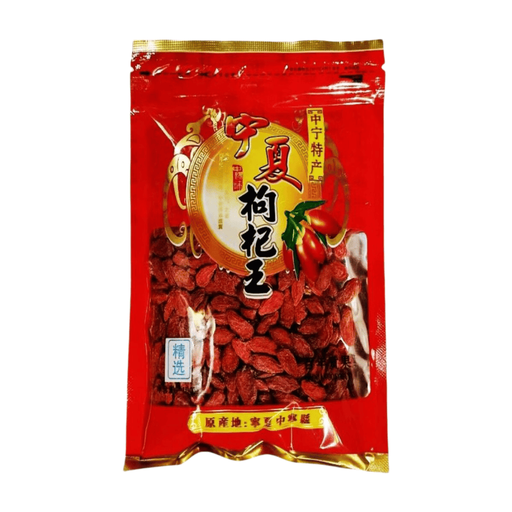 Image unavailable
Ningxia Goji Berries, 100 g
The 100 g pack could be a good choice for a fruit snack if you’re looking for a smaller size. Before choosing, check the ingredients, sulphite information and any possible allergen trace warnings on the current pack.
View at Joybuy
 Image unavailable
Haoxiangni Grade 2 Fresh-Locked Pitted Red Dates Original Flavour, 280 g
These pitted jujubes are a handy snack choice if you’d rather not remove the stones. The pack contains 280 g; check its current labelling for sulphites and trace warnings against your requirements.
View at Joybuy
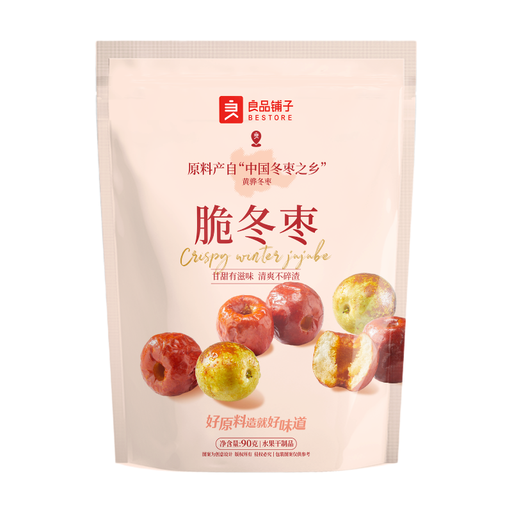 Image unavailable
Bestore Crispy Winter Jujube, 90 g
This 90 g pack is an option if you’d prefer a crunchy snack to soft dried fruit. If you only want fruit ingredients, check the contents particularly carefully; the same goes for sulphite and allergen trace warnings.
View at Joybuy
 Image unavailable
Haoxiangni Grade A No-Wash Jujubes, 500 g
The 500 g pack may suit you better if you plan to use a larger quantity of jujubes; for individual snack breaks, you can portion some out separately. Check the current pack for ingredients, sulphites, possible allergen traces and advice on using the product after opening.
View at Joybuy
Frequently asked questions
How can I tell whether dried fruit is unsulphured?
Check the ingredients list on the particular pack for sulphur dioxide and sulphites. Lebensmittelklarheit explains that sultanas are considered unsulphured if no such information appears there. If you’re choosing a product because you need to avoid sulphites, read the full current labelling rather than relying on the product description alone.
Is unsulphured dried fruit also free from other allergens?
No. ‘Unsulphured’ says nothing about other allergenic ingredients or possible traces. For example, product information for sultanas from EDEKA and REWE mentions possible traces of various allergens. What matters is whether the information on the pack you’ve chosen meets your needs and avoids the substances you must steer clear of.
How should I store an opened pack for later snack breaks?
Follow the storage advice on the pack and seal it carefully after opening. For freeze-dried red berries, REWE recommends storing them in a well-sealed bag somewhere dry and away from light.
What should I do if the online information differs from the pack?
Before eating the dried fruit, check the labelling on the particular pack you’ve chosen. Ingredients and allergen information need to meet your requirements. If the food is faulty, the Verbraucherzentrale recommends returning it to the shop where you bought it.


