Dried fruit makes a good fruity snack for a summer picnic after exercise, but the protein values listed by EDEKA and ALDI SÜD for the plain fruit products considered here mean it isn’t a reliable choice if protein is your priority. If you want to plan your protein intake, pair dried fruit with a separately labelled source of protein and compare the nutritional values for the portions you intend to eat.
Who is this selection for?
Active people keeping an eye on their protein intake
If your picnic follows a workout or a hike, the protein content of the portion you plan to eat matters more than whether it’s called a “snack”. The German Nutrition Society discusses adequate protein intake in relation to sport and recovery.
Picnickers looking for a fruity snack
If you choose dried fruit for its fruity flavour and convenience on the go, you don’t also need to count it as a source of protein. REWE describes dried fruit as a snack to enjoy on the go.
People keeping an eye on sugar and ingredients
When sharing snacks, portion size, sugar content and allergen labelling can affect your choice. The information on the specific pack is particularly important if someone may react to a labelled ingredient.
What should you look for when buying?
First decide whether you want the fruit itself as a snack or whether you’d also like to take a labelled source of protein. Then compare the nutritional information per 100 g and for the amount you’ll actually pack.
Plain dried fruit
A good choice if: fruity flavour and convenience matter more to you than a high protein contribution.
The trade-off: the EDEKA and ALDI SÜD products considered here contain between 2.2 and 4.9 g of protein per 100 g. You should also take the sugar content of your portion into account.
Dried fruit with a separate source of protein
A good choice if: you want to plan in a source of protein alongside your fruity snack after exercise.
The trade-off: you’ll need to choose two products and check their portion sizes, ingredients and, where relevant, storage instructions separately.
| Criteria |
What to check when buying |
Who it matters to |
| Protein contribution |
Compare the protein per 100 g and for the portion you plan to eat; assess any additional source of protein separately. |
After exercise, I want to know how much protein my picnic snack actually contains. For around 45% of consumers, protein content comes first. |
| Sugar and portion size |
Check “of which sugars” per 100 g and work it out for the amount you plan to eat; don’t assume “no added sugar” means low in sugar. |
If I keep reaching into the pack for small pieces during a picnic, I want to keep track of how much sugar I’m eating. Around 33% of consumers say this is their top priority. |
| Ingredients and handling |
Read the ingredients and allergen information on the pack; check the packaging and storage instructions for transporting it. |
If I’m sharing the snack, I want to know in advance which ingredients are labelled and how to carry it. This is the most important selection criterion for around 22% of consumers. |
Common misconceptions
-
Assuming dried fruit is automatically a high-protein snack
The plain fruit products from EDEKA and ALDI SÜD considered here contain 2.2 to 4.9 g of protein per 100 g. If protein is your main priority, don’t rely on the snack category alone.
Compare the protein content for your planned portion and, if needed, choose a separately labelled addition.
-
Assuming “no added sugar” means low in sugar
According to EDEKA, its freeze-dried strawberry slices contain strawberries with no added sugar. Even so, the nutritional information lists 61 g of sugar per 100 g.
As well as reading the ingredients list, check the “of which sugars” line in the nutritional information and take your portion size into account.
-
Leaving allergen information until you’re ready to share
EDEKA lists sulphur dioxide and sulphites as allergens in its dried mixed fruit. This is important information when you’re sharing a picnic.
Check the allergen information on the specific pack before offering the snack to anyone else.
-
Assuming online information applies to every pack
EDEKA warns that online information may differ from what’s printed on the pack. For some dried fruits, ALDI SÜD names different suppliers and notes that nutritional values may vary.
Use product pages to narrow down your options, then check the information on the pack before you buy.
Brands to consider
Seeberger
Seeberger lists dried fruit, freeze-dried fruit and fruit and nut mixes as separate product ranges.
- The categories make it easier to look for either plain fruit or a mix.
- A fruit and nut mix contains different ingredients from plain dried fruit; compare the protein and sugar content of each product.
REWE
REWE groups dried fruit and kernels in one online category.
- The category is a good starting point for exploring different types of snack to take on the go.
- Being in the same category doesn’t tell you how much protein a particular dried fruit product contains.
EDEKA Herzstücke
EDEKA provides nutritional information for dried mixed fruit and the range’s freeze-dried strawberry slices.
- According to EDEKA, the products considered here contain 2.7 and 4.9 g of protein per 100 g respectively.
- According to EDEKA, they contain 46 and 61 g of sugar per 100 g respectively. Always check the label on the specific pack before making your final choice.
NATURLIEBLINGE – KLEINE SCHÄTZ und FARMER NATURALS bei ALDI SÜD
ALDI SÜD provides nutritional information for figs from the first range and mango strips from the second.
- The stated protein values of 3.0 g for figs and 2.2 g for mango per 100 g can be compared on the same basis.
- ALDI SÜD notes that nutritional values for these products may vary because of changes in suppliers.
Products for a picnic snack
This Joybuy selection includes additions to go with dried fruit, as well as a berry and nut mix that can be enjoyed as a fruity snack in its own right. The bars and Protein Bite aren’t dried fruit themselves; compare the information on both packs to plan your combination.
 Image unavailable
Power System 32% Protein Bite Power, Banane, 35 g
The Protein Bite could be a separate addition if you’d like to take another snack along with your dried fruit.
The product name specifies banana flavour and 35 g. Check the protein and sugar per portion, as well as the allergen information on the pack.
View at Joybuy
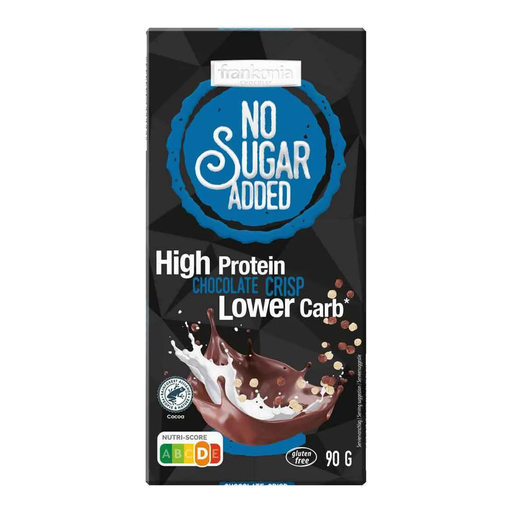 Image unavailable
Frankonia CHOCOLAT POWER MOTION no Sugar Added Chocolate Crisp, 90 g
This chocolate option could be a separate addition to a fruity snack, but it isn’t dried fruit itself.
The product name specifies 90 g. Check the nutritional information to assess the sugar and protein content, and follow the storage instructions for your summer picnic.
View at Joybuy
 Image unavailable
BE-KIND Protein Caramel Nut, 12 × 50 g
You could choose this bar as a separate addition to dried fruit if you’d like to compare the protein content per bar.
The product name specifies twelve 50 g bars. Check the protein information and allergen labelling on the pack.
View at Joybuy
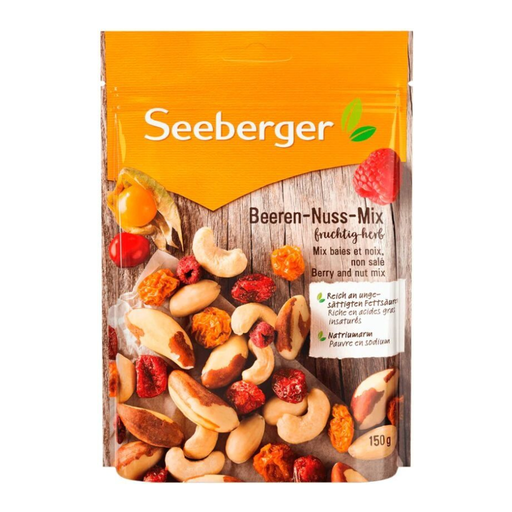 Image unavailable
Seeberger Soft Berry & Roasted Nut Mix, 150 g
This berry and nut mix could make a fruity picnic snack, but it isn’t plain dried fruit.
The product name specifies 150 g. Compare the protein and sugar per portion, and check the allergen information before sharing.
View at Joybuy
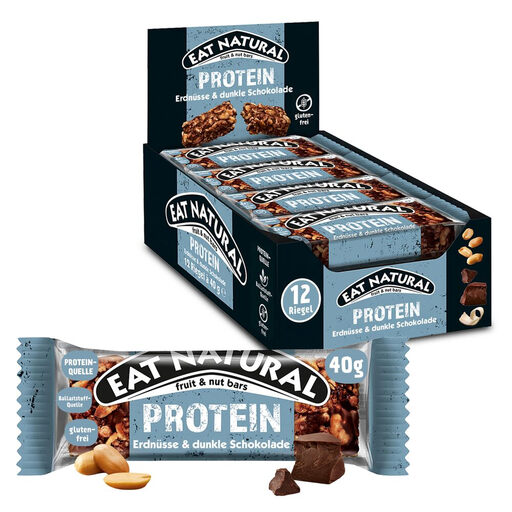 Image unavailable
Eat Natural Protein Bars Peanuts & Dark Chocolate, 12 × 40 g
This peanut and chocolate bar is another separate addition to consider if you’d like to pair a bar with your dried fruit.
The product name specifies twelve 40 g bars. Compare the protein per bar and check the ingredients and allergen information.
View at Joybuy
Frequently asked questions
Is dried fruit on its own a high-protein snack after exercise?
The plain fruit products considered here don’t provide much protein: EDEKA lists 2.7 g per 100 g for mixed fruit and 4.9 g per 100 g for freeze-dried strawberries; ALDI SÜD lists 3.0 g for figs and 2.2 g for mango. If protein is a priority for your snack, compare a separate addition using its nutritional information.
Does “no added sugar” mean a product is low in sugar?
No, the claim doesn’t describe the total sugar content. EDEKA lists 61 g of sugar per 100 g for its freeze-dried strawberry slices with no added sugar, so check the nutritional information and the portion you plan to eat.
What should I know about sulphited dried fruit?
If sulphur dioxide or sulphites could affect someone sharing your food, check the allergen information on the pack before sharing. EDEKA lists both as allergens in the dried mixed fruit considered here.
Is a high protein value per 100 g enough to claim “high protein”?
Not on its own. The Annex to EU Regulation (EC) No 1924/2006 states that the claim “high protein” requires at least 20% of the energy value to come from protein. A protein figure in grams without the corresponding energy value isn’t enough to assess this.


