Calorie-conscious rail travellers
You want to take a fruit snack with you and work out how much energy your planned portion contains. The value per 100 g gives you a common basis for comparison.


Dried fruit is easy to take on a train journey, but ‘low in calories’ doesn’t describe the products compared here: EDEKA and ALDI SÜD list four specific products at 239 to 335 kcal per 100 g. Compare the energy value per 100 g and the portion you plan to eat. If you also want to avoid added sugar, check the ingredients list and nutrition information together.
You want to take a fruit snack with you and work out how much energy your planned portion contains. The value per 100 g gives you a common basis for comparison.
You look out for added sweeteners, preservatives or information that matters if you have an intolerance. The ingredients list and nutrition information answer different questions.
When changing trains or sitting in your seat, you want to eat without cutlery and store any leftovers safely. So check the specific pack for its size and closure.
First, compare the energy value using the same reference amount. Then choose a pack based on its ingredients and the portion you plan to take with you.
| Criteria | What to check when buying | Who it matters most to |
|---|---|---|
| Energy value and portion | Compare kcal per 100 g and decide how much to take for your journey. A lower figure in a comparison doesn’t automatically make dried fruit ‘low in energy’. | If I only want to eat a small amount, I want to be able to estimate the energy value of my portion. Around 45% of consumers are likely to put calories and portion size first. |
| Sugar and ingredients | Check the ingredients list for sweeteners, then look at ‘of which sugars’ per 100 g. The nutrition information alone doesn’t distinguish between naturally occurring and added sugar. | If you want to avoid additives, you need to know what else is in the pack besides the fruit. For around 36% of consumers, ingredients and sugar are likely to be the main factors in their buying decision. |
| Taking it on the train | Check the size and closure of the specific product. If it’s a larger pack, portion out the amount you want before your journey. | When I’m in my seat, I want to eat my snack without cutlery and be able to store any leftovers. Around 19% of consumers are likely to focus mainly on convenience when travelling. |
For the nutrition claim ‘low energy’, EU Regulation (EC) No 1924/2006 sets a limit of no more than 40 kcal per 100 g for solid foods. By contrast, the values listed by EDEKA and ALDI SÜD for the four products considered here range from 239 to 335 kcal per 100 g.
Only describe a product as ‘lower in calories’ when comparing specific products on the same basis, and then take your portion size into account.
A short ingredients list doesn’t tell you how much total sugar a product contains. EDEKA lists 27.5 g of sugar per 100 g for its organic soft apricots and 68.1 g per 100 g for its Herzstücke mango strips.
Read the ingredients list alongside the ‘of which sugars’ figure in the nutrition information. The Verbraucherzentrale points out that phrases such as ‘naturally sweet’ don’t tell you how much sugar a product contains.
A resealable closure makes it easier to store leftovers, but it doesn’t determine how much you’ll eat during your journey. The pack size and your planned portion are two different things.
Portion out the amount you want before you set off, or choose a pack that suits your plans. Check the closure on the actual product.
EDEKA notes on its product pages that packaging information may differ. ALDI SÜD says it uses different suppliers for its cranberries, so the nutrition information may vary.
Check the label on the specific pack before buying, especially if sugar, ingredients or allergen information will affect your choice.
Seeberger offers a range of dried fruit, soft fruit, fruit crisps and freeze-dried fruit.
EDEKA’s product ranges include mango strips, soft apricots and dried prunes.
The REWE range includes dried fruit, freeze-dried fruit and fruit crisps from various brands and own-label ranges.
The ALDI SÜD brand offers dried cranberries, among other products, in a 200-g pack.
This selection features plums and dates as fruit snacks to enjoy on the go. For your train journey, compare the information on each pack and take the portion you want with you.
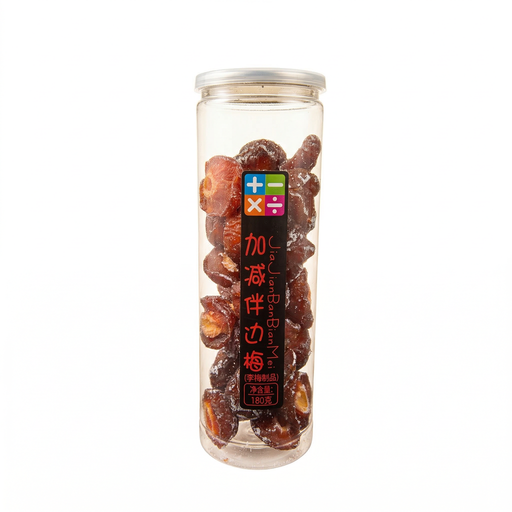 No image available
This plum snack could be a good option if you want to take a planned portion from a pack on your journey.
Pack size: 180 g. To compare, check the energy value, sugar, salt and ingredients on the specific pack. Also check whether it can be resealed after opening.
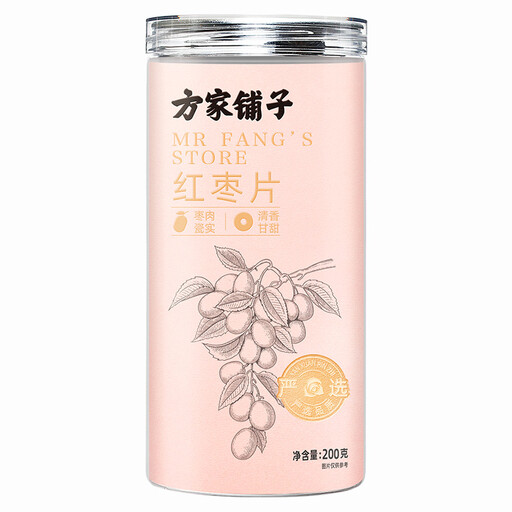 No image available
These dried date slices are handy for a train journey if you’d rather take sliced fruit than whole pieces.
Pack size: 200 g. If sugar content will influence your choice, check the nutrition information on the pack. Also check the closure so you can store any leftovers while travelling.
 No image available
These pitted dates could suit you if you want to portion some out from a larger pack before your journey.
Pack size: 500 g. Compare the energy value and sugar per 100 g on the pack, and plan separately how you’ll store the rest once opened.
Not across the board: according to the figures provided by EDEKA and ALDI SÜD, the products considered here contain 239 to 335 kcal per 100 g. For the nutrition claim ‘low energy’, EU Regulation (EC) No 1924/2006 sets a limit of 40 kcal per 100 g for solid foods. So compare specific products and the amount you plan to eat.
No, this claim doesn’t describe the total sugar content. Check the ingredients list for added sweeteners and the ‘of which sugars’ figure in the nutrition information. The Verbraucherzentrale advises against using phrases such as ‘naturally sweet’ to judge a product’s sugar content.
Check the ingredients and allergen information on the specific pack, especially for any substances or additives that matter to you, such as sulphites. Don’t rely solely on the general product name or information for a different pack.
Portion out the amount you want to eat on the way and store the rest in a securely closed pack or a suitable container. Check the specific product to see whether its original bag is resealable.