When choosing dried fruit for a train journey, start with the ingredient or substance group you actually need to avoid. If you have an allergy, check the labelling on the specific pack rather than relying on the general impression that it contains “pure fruit”. Single-ingredient, unsulphured fruit can make it easier to check the ingredients, but “no added sugar” does not mean sugar-free and does not tell you whether a product is suitable for your individual fructose tolerance.
Who needs to take extra care when choosing?
Travellers who need to avoid allergens strictly
If you need to avoid specific food allergens, you’ll need to check the information on the particular pack. The Federal Ministry of Agriculture, Food and Home Affairs explains the requirement to label allergenic ingredients, while Lebensmittelklarheit points out that precautionary statements about possible traces are voluntary. A short product name is no substitute for checking the ingredients and any precautionary statements.
Travellers who pay close attention to ingredients
You may want to take dried fruit with no added sugar or that is unsulphured, and check the ingredients, pack size and closure before setting off. Check each variety individually: according to product information from Seeberger and REWE, even products from the same brand can have different ingredients.
People who need to consider fructose
If the amount of fructose matters to you, “no added sugar” does not answer that question. Dried fruit with no added sugar still contains natural fruit sugars, as the consumer advice centre explains when interpreting sugar information.
What should you check when buying?
First, check any strict requirements relating to ingredients and allergens. Then details about the recipe, type of fruit and packaging can help you choose a practical snack for your journey.
| Criteria |
What to check when buying |
Who it matters most to |
| Allergens and possible traces |
Check the ingredients list for the allergen that matters to you, and read any precautionary statements. A statement about possible traces does not indicate a particular level of allergen. |
If I need to avoid a specific ingredient strictly, I don’t want to rely on the words “pure fruit” alone; this check is the main priority for around 33% of consumers. |
| Added sugar and sulphites |
Check claims such as “no added sugar” and “unsulphured” against the full ingredients list. The nutritional information shows the sugar content, not just the added sugar. |
If you’re looking for a snack with a simple recipe for your journey, you may want to rule out added sugar or sulphites specifically; for around 27% of consumers, this ingredient check comes first. |
| Fructose content |
Consider the type of fruit and the portion you plan to eat; “no added sugar” does not tell you how much natural fruit sugar it contains. |
If I need to limit my fructose intake, choosing the right type and amount for me matters more than a general “free from” claim; around 20% of consumers put this concern first. |
| Portion and packaging |
Choose a pack size and resealable closure to suit the length of your journey. If you’re buying freeze-dried fruit, consider whether you want a crunchy texture. |
For a journey with no preparation, I want a snack that’s easy to pack and portion out; this practical need is the main concern for around 20% of consumers. |
Which common misconceptions make choosing harder?
-
Assuming “free from” means suitable for everyone
“No added sugar”, “unsulphured” and gluten-related claims refer to different product features. None of these claims on its own answers every question about allergens or fructose content.
Before buying, decide which ingredient or substance group matters to you, then check the relevant information on the specific pack.
-
Assessing fruit mixes as if they were single fruits
A mix may contain ingredients in addition to the fruits named on the pack. For example, the Seeberger fruit mix listed by REWE includes sugar, sodium metabisulphite and sulphur dioxide.
Read the full ingredients list for mixes, especially if you need to avoid added sugar, sulphites or specific other ingredients.
-
Treating precautionary statements as a precise risk scale
According to Lebensmittelklarheit, statements about possible allergen traces are voluntary and are not regulated consistently by law. Their wording or prominence does not tell you the possible amount or your individual risk.
Assess the statement in light of your specific avoidance requirements rather than assuming a product is safe for you based on how the statement is presented.
-
Assuming a light pack means a small portion
Freeze-drying removes water from the fruit. According to the consumer advice centre, this makes the sugar and energy content more concentrated per 100 g.
When deciding how much to take on your journey, check the pack’s net weight and the nutritional information per 100 g, as well as how light it is.
Brands to help guide your choice
A brand name alone doesn’t tell you which ingredients or allergens are in a particular pack of dried fruit. Compare the specific varieties instead.
Seeberger
Seeberger offers both individual dried fruits and fruit mixes. Differences between the products matter more when choosing than the fact they share a brand name.
- Seeberger describes its 125 g pack of unsulphured apricots as having “no added sugar”.
- By contrast, according to its ingredients information, the Seeberger fruit mix listed by REWE contains sugar, sodium metabisulphite and sulphur dioxide.
EDEKA Herzstücke
The brand offers dried fruit mixes, including a 250 g pack in a resealable pouch.
- A resealable closure can be handy if you plan to open the pack several times during your journey.
- The mix described by EDEKA contains sulphur dioxide and lists sulphites as allergens; if you need to avoid sulphites, the ingredients information on the specific pack is what matters.
Alesto
Lidl describes Alesto as offering nuts and dried fruit, as well as other snack mixes.
- The range includes different types of product, so you can look specifically for a single dried fruit or a mix.
- The range description does not tell you what ingredients or allergens are in a specific pack.
TRADER JOE'S
ALDI Nord offers nuts and dried fruit under TRADER JOE'S, including nut and fruit mixes and freeze-dried fruit.
- ALDI Nord lists, among other products, a nut and fruit mix in a 5 × 40 g pack and freeze-dried fruit in a 25 g pack.
- If you have an ingredient allergy, check mixes and individual fruits separately. ALDI Nord also notes that special-buy products may only be available for a limited time.
Dried fruit at Joybuy
This selection includes dates and jujubes in different forms and pack sizes, making them a handy snack for a train journey. If you need to avoid specific ingredients or allergens, also check the information on the relevant pack.
 No image available
Haoxiangni Grade 2 Fresh-Locked Pitted Red Dates Original Flavour, 280 g
An option if you’re looking for pitted fruit to take on your journey. The pack contains 280 g; if you need to avoid allergens strictly, check the ingredients and any precautionary statements on the pack.
View at Joybuy
 No image available
Seeberger Pitted Deglet Nour Dates, 500 g
Pitted Deglet Nour dates could be a good choice if you want to take some from a larger pack. The pack contains 500 g; check the information on this specific variety to make sure it meets your dietary requirements.
View at Joybuy
 No image available
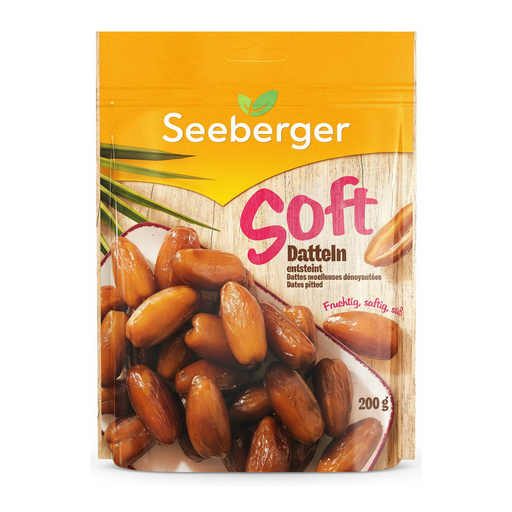
Seeberger Soft Deglet Nour Dates, 200 g
This soft variety is a good option if you’re looking for Deglet Nour dates in a 200 g pack. “Soft” describes the product variety, not whether it’s suitable for someone with an allergy; check the ingredients and any precautionary statements for that.
View at Joybuy
 No image available
Haoxiangni Grade A No-Wash Jujubes, 500 g
These jujubes are an option if you’d like to choose a different dried fruit instead of dates for your journey. This 500 g variety is described as No-Wash; check the pack to assess the ingredients and any possible traces.
View at Joybuy
 No image available
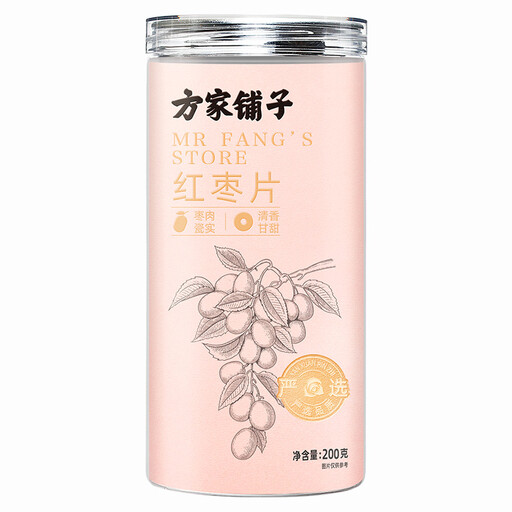
Fang Jia Puzi Dried Red Date Slices, 200 g
These dried slices could be a good choice if you prefer fruit that’s already cut up. The pack contains 200 g; if you have a specific ingredient allergy, check the full labelling on the pack.
View at Joybuy
Frequently asked questions
Is dried fruit made from a single ingredient automatically allergen-free?
No, the words “pure fruit” aren’t enough to make that decision. Check the ingredients list on the specific pack for the allergens that matter to you, and read any precautionary statements. According to Lebensmittelklarheit, these statements are voluntary.
Is dried fruit with “no added sugar” sugar-free?
No, dried fruit can contain natural fruit sugars even when no sugar has been added. When assessing sugar information, the consumer advice centre recommends taking the sugar in dried fruit into account too; for a specific product, check the nutritional information per 100 g.
Is “unsulphured” enough if I need to avoid sulphites?
No, the claim describes just one aspect of the product. Also check the full ingredients list and any precautionary statements on the specific pack; “unsulphured” does not rule out other ingredients.
Is dried fruit suitable for a train journey if you have fructose intolerance?
There’s no simple yes-or-no answer, as the type of fruit, the amount and your specific dietary restriction all matter. The Allergy Information Service distinguishes between fructose malabsorption and hereditary fructose intolerance; general claims such as “no added sugar” are no substitute for dietary guidance tailored to your individual circumstances.


