What to look for when buying
Start with the type of product: individual dried fruit, a nut and fruit mix, and freeze-dried fruit each meet different needs. Then compare the information on the specific pack rather than assuming you can tell what’s inside from the shelf category.
| What to check |
Points to consider |
What shoppers need |
| Fat and ingredients |
Compare the fat content per 100 g and check the ingredients list for nuts, coconut or added oil. Don’t treat fruit-only products and mixes as directly comparable. |
When I pack dried fruit for a snack, I want to tell fruit-only products apart from nut and fruit mixes. Around 42% of shoppers are likely to put fat content and ingredients first. |
| Sugar and ingredients |
Check the ingredients list for sweetening ingredients and compare the ‘of which sugars’ figure per 100 g. |
When planning my snacks, I want to know whether any sweetening ingredients have been added to the fruit and what the sugar content is. Ingredients and sugar are likely to be the main consideration for around 33% of shoppers. |
| Pack size and intended use |
Check the net weight, best-before date and storage advice; choose a pack size that suits how you plan to use it. |
I want to use my weekly supplies both for snacking and in the kitchen, without buying more than I’ll use. For around 25% of shoppers, planning these supplies is likely to be the main concern. |
Dried fruit on Joybuy
This selection includes jujubes, dried wild blueberries and soft mango slices for snacking and stocking up for the week. Start by choosing the fruit and pack size you want, then compare the nutrition information and ingredients of the specific products to check they suit your preferences around fat.
 Image unavailable
Haoxiangni Grade A No-Wash Jujubes, 500 g
The 500 g pack is worth considering if you’re planning to enjoy jujubes on several occasions during the week.
Before choosing, compare the fat and sugar content per 100 g.
View on Joybuy
 Image unavailable
Changsi Dried Red Dates, 500 g
This 500 g pack is one to consider if you’re looking for dried red jujubes to stock up for the week.
Check the ingredients and nutrition information per 100 g before comparing it with another variety.
View on Joybuy
 Image unavailable
Haoxiangni Grade 2 Fresh-Locked Pitted Red Dates Original Flavour, 280 g
The pitted version comes in a 280 g pack, making it an option if you want a smaller amount than the 500 g packs.
As with the other options, assess fat and sugar separately using the information on the pack.
View on Joybuy
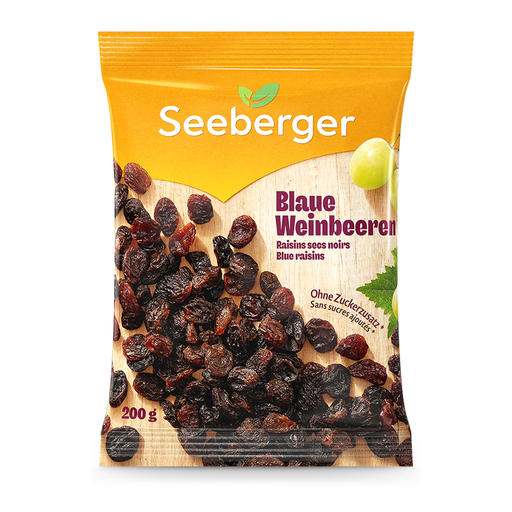 Image unavailable
Seeberger dried wild blueberries, 200 g
The 200 g pack is worth considering if you’d prefer dried blueberries to jujubes or mango slices.
Check the ingredients list for added oil. Also read the product warning about possible stones or stone fragments.
View on Joybuy
 Image unavailable
Seeberger soft dried mango slices, 100 g
The 100 g pack is a good option if you’d like a smaller amount of soft mango slices.
Check the ingredients and nutrition information, as well as the sulphite warning on the specific pack.
View on Joybuy
Frequently asked questions
Is dried fruit with no added sugar sugar-free?
No. Dried fruit can contain sugar even when no sweeteners have been added. The Verbraucherzentrale points out that dried fruit itself contributes to sugar content, so check the ‘of which sugars’ figure per 100 g as well as the ingredients list.
Is a ‘low fat’ or ‘reduced fat’ label enough to help me choose?
No. You should also check the nutrition information and ingredients for the specific product. The Federal Ministry of Agriculture, Food and Home Affairs explains that nutrition claims have to meet set conditions. However, a claim about fat doesn’t also tell you about sugar or energy.
How should I store dried fruit for the week?
Follow the storage advice on the specific pack, especially if you’re buying a larger amount. EDEKA24, for example, recommends storing its walnut and cranberry mix in a dry place away from heat; advice may differ for other products.
What should I look for in the allergen information for a mix?
Check the ingredients and allergen information on the specific pack, particularly if the mix contains nuts. According to the Verbraucherzentrale, information about ingredients and allergens is part of the labelling required for packaged foods; ingredients can vary from product to product.
How should I think about freeze-dried fruit when doing my weekly shop?
Freeze-dried fruit is a different type of product from conventional dried fruit and could be a good choice for a crunchy topping. Removing the water concentrates sugar and energy per 100 g, as the Verbraucherzentrale explains. So compare the nutrition information and take into account the portion you plan to use.


