What should you look for when choosing?
First decide whether you want a particular fruit for a recipe or a selection of fruits to snack on. You can then choose a pack size that suits how much you’ll use and the storage space you have.
| Criterion |
What to check when buying |
Who it matters to |
| Pack size and how much you’ll use |
How much of the chosen fruit will you actually need for snacks, baking or your store cupboard? |
If I regularly bake with sultanas or prunes, I want to use up a larger pack rather than store leftovers for a long time. For around 36% of consumers, being able to plan how much they’ll use comes first. |
| Ingredients and nutritional values |
Check the ingredients list, allergen information and sugar content per 100 g on the specific pack. |
With a fruit mix, I need to know which ingredients it contains and whether sulphur dioxide or sulphites are listed. Around 29% of consumers prioritise this. |
| Fruit variety and how you’ll use it |
Choose a single fruit or a mix, and check which fruits are included in a mix. |
I might need prunes for a particular bake, while for a winter snack platter I’d like a selection of fruits. Choosing the right varieties is the main consideration for around 21% of consumers. |
| Storage after opening |
Check whether the pack can be resealed and read the storage instructions; have a suitable container ready if needed. |
If I only eat dried fruit occasionally, I want to be able to store the opened pack properly until I use it again. For around 14% of consumers, this is the most important question. |
Notable brands and own-label ranges
These brands and retailers offer a guide to different varieties and pack types. The information for each individual product should remain your main guide when choosing.
Seeberger
Seeberger sells dried fruit as individual varieties; according to the manufacturer’s product overview, several varieties are also available in 500 g packs.
- If you’re looking for dates, prunes or sultanas in particular, you can look for the variety and pack size that suit you.
- Check the packaging of the specific variety for claims such as ‘unsulphured’.
REWE
REWE stocks dried fruit from a range of brands and own-label ranges.
- You can compare individual fruits, mixes and pack sizes across the range.
- Product availability depends on the location you select.
EDEKA, GUT&GÜNSTIG und EDEKA Herzstücke
EDEKA offers both individual fruits and fruit mixes for different uses.
- GUT&GÜNSTIG prunes are sold in a resealable 500 g pack, with the stones removed; an EDEKA mix contains five types of fruit.
- With fruit mixes, it’s particularly important to check the ingredients and allergen information on the specific pack.
ALDI SÜD / FARMER NATURALS
ALDI SÜD sells products including sultanas and prunes in 500 g packs under the FARMER NATURALS brand.
- These two individual fruits may suit households that use them regularly.
- As suppliers may vary, check the ingredients and nutritional information on the pack you buy.
Lidl / Alesto
Lidl’s Alesto brand covers nuts, dried fruit and snacks.
- It’s a useful brand to look out for if you’re shopping for dried fruit at Lidl.
- Check the variety, pack size and ingredients on the individual product.
Dried fruit and larger packs at Joybuy
The products below suit different uses: classic individual fruits for recipes you make regularly, portioned red dates, and fruit for cooked dishes or tea. Choose according to the fruit you need, how the pack is divided up and the preparation instructions.
 No image available
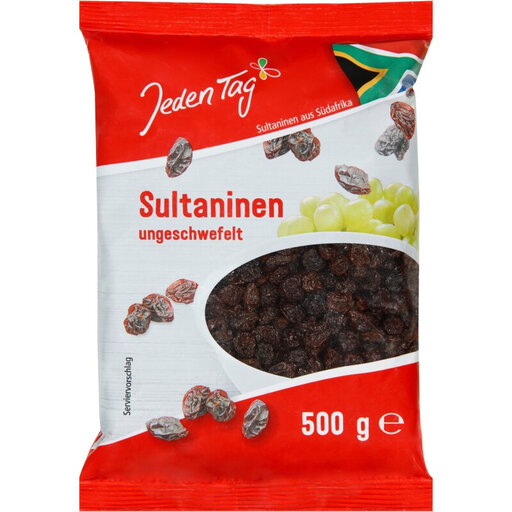
Jeden Tag sultanas, 500 g
For households that regularly use sultanas in baking, muesli or as a snack. According to the product information, the ingredients include sunflower oil; check the labelling on the specific pack. Seal the pack tightly after opening.
View at Joybuy
 No image available
Seeberger soft dried prunes, pitted, 500 g
A single-fruit option for households that regularly use prunes in baking, cooking or breakfast dishes. According to the product description, despite being pitted, the prunes may still contain stones or fragments; potassium sorbate is also listed as an ingredient.
View at Joybuy
 No image available
Haoxiangni ready-to-eat red dates, 900 g (30 × 30 g)
The portion packs are handy for using gradually, for example as a snack or in tea. The dates contain stones. If you’re specifically looking for dried fruit, check the product type on the pack.
View at Joybuy
 No image available
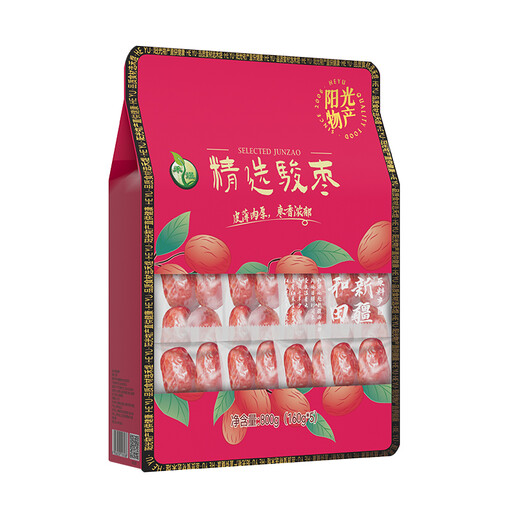
HEYU jujubes, 800 g (5 × 160 g)
For planned cooked dishes such as porridge or soup; the pack is divided into five smaller bags. The product information says to wash the jujubes thoroughly and cook them fully before eating. Do not eat raw.
View at Joybuy
 No image available
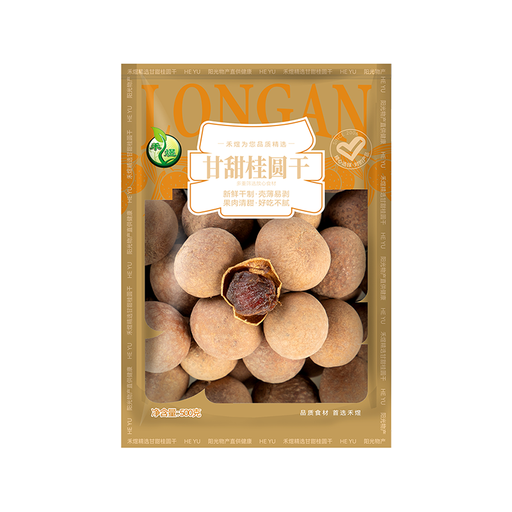
HEYU dried longan, 500 g
For planned uses such as tea or soup, rather than as a ready-to-eat snack. According to the product information, wash and cook before use; use the opened pack promptly.
View at Joybuy
Frequently asked questions
Should I check allergens in packaged dried fruit?
Yes, especially if you need to avoid certain ingredients. The Federal Ministry of Agriculture, Food and Home Affairs explains the labelling requirements for certain allergenic ingredients on food packaging. Check the highlighted allergen information on the specific pack, and look out for sulphur dioxide and sulphites in dried fruit too.
Does ‘no added sugar’ mean dried fruit is low in sugar?
No. A claim about added sugar doesn’t tell you the fruit’s total sugar content. The Verbraucherzentrale notes that dried fruit contributes to a food’s sugar content; to compare products, read the ingredients list and check the sugar content per 100 g.
How should I store an opened large pack?
Follow the storage instructions for the product and seal the opened pack appropriately. For dried prunes, EDEKA recommends a cool, dry place away from light, and a sealable, lightproof container. This advice doesn’t automatically apply to every type of dried fruit.
Are unsulphured dried fruits always the better choice?
No. The term ‘unsulphured’ doesn’t mean a product is universally better for quality or health. Check that the labelling on the specific pack meets your needs, and also consider the type of fruit, ingredients, intended use and storage instructions.


