Lieferung heute & morgen

Qualitätsgarantie

Willkommens-Angebote freischalten: KOSTENLOSE Lieferung | Bis zu 80 % RABATT | Kostenlose 30-Tage-JoyPlus-Testphase
App herunterladen
The rhythm of daily life is often defined by small, almost imperceptible caesuras. A moment of pause between two tasks, a deliberate break in the afternoon when the light softens and concentration wanes. In these moments, we seek not mere satiety, but a sensory anchor—a concentrated flavour experience that clears the mind without weighing down the body. It is a departure from the mindless snack towards a curated moment of indulgence.
This search for substance in small things reflects a larger cultural movement. We are turning away from abundance and towards the essential. Instead of busying ourselves with empty calories, we seek foods whose form and content tell a story. The dried mango is a prime example of this philosophy. The gentle removal of water not only extends its shelf life but, more importantly, intensifies the fruit's aroma. The sweetness, acidity, and tropical depth are condensed into a minimum of matter. The result is an object that is both practical and poetic.
The choice of a snack is increasingly becoming a matter of personal values. It's about transparency, the origin of the ingredients, and the way they are processed. The demand for dried mango with no added sugar is a clear indicator of this shift. Consumers want to experience the pure, unadulterated flavour of the fruit, just as it was shaped by the sun. Texture plays a role just as important as taste. Whether as soft, pliable dried mango strips or as broader, juicier dried mango slices—the haptic experience is part of the mindful enjoyment.
This dried mango is more than just a healthy snack. It is an invitation to take one's time. The slow chewing, the gradual release of flavours, forces us into a slower pace. It is a counter-narrative to fast, often mindless, consumption. The variety of available types, from the classic Philippine dried mango to innovative flavour combinations, allows for a personal curation of one's own pantry. One can buy dried mango not just as a food item, but as a tool for shaping one's daily life.
The selection of dried mangoes is a reflection of different philosophies and flavour profiles. For purists seeking the unadulterated fruit taste, there are variants reduced to the essentials. An example of this is the Seeberger Dried Mango 100g, which, according to the manufacturer, contains no added sugar and is packaged in recyclable film in Germany. For the well-stocked pantry and for sharing with family, larger formats like the Three Squirrels Dried Mango 500g are suitable, offering a balance of sweetness and a soft texture. The quality of the selected fruits is also a priority in products like the Bestore Dried Mango 500g, for which the brand states that mangoes are processed at an 80% optimal ripeness to ensure a rich aroma.
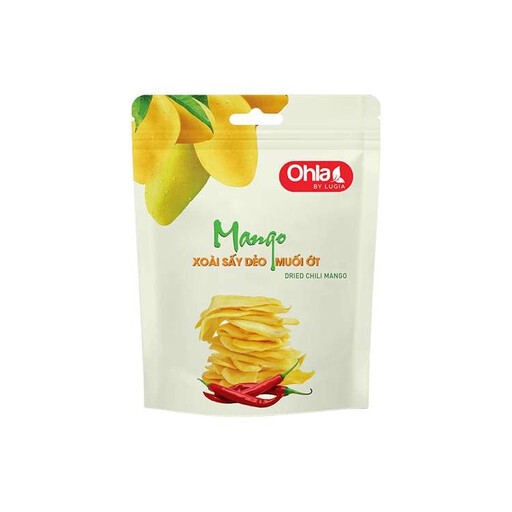
Parallel to the pure fruit, an exciting culinary trend is emerging that plays with contrasts. The combination of sweet and spicy is particularly appealing here. A spicy dried mango, such as the OHLA - Dried Chili Mango 200g, offers a complex flavour experience where the fruity sweetness is complemented by a subtle chili heat. It gets even more creative with the combination of different fruits. The MeiQianYu Dried Plum Mango Sandwich 70g combines the sweetness of mango with the tart acidity of dried plums for an unexpected, multi-layered mango snack.
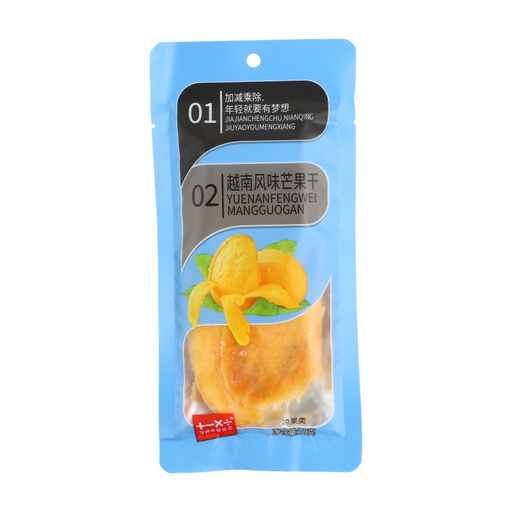
The origin significantly shapes the character of a fruit. Connoisseurs appreciate the specific notes that a region imparts to its produce. The Jia Jian Cheng Chu Philippine Style Dried Mangoes 70g represent the classic, internationally esteemed style known for its intense sweetness and soft texture. An interesting counterpoint is provided by the Dried Green Mangos PHIL.BR Pack 100g, which are made from unripe fruits and have a refreshingly sour profile. This diversity shows that dried mango is far more than a single idea—it is an entire universe of flavours waiting to be discovered.
For those looking to explore a wider selection of authentic fruit flavours, the Philippine mangoes collection offers further inspiration.