
Lieferung heute & morgen

Qualitätsgarantie

Willkommens-Angebote freischalten: KOSTENLOSE Lieferung | Bis zu 80 % RABATT | Kostenlose 30-Tage-JoyPlus-Testphase
App herunterladen
Dried mango is practical, flavoursome and can be stored without refrigeration. Depending on the recipe, the range extends from natural dried mango with no added sugar to candied, spicy or plum-flavoured varieties. However, choosing the right product involves more than just looking at the picture on the packaging. The ingredients list, texture, pack size and allergen information all determine whether a mango snack suits your habits.
Mango naturally contains sugar. Many products also contain table sugar, glucose, maltose or syrup. Checking the ingredients list reveals the difference. For example, the Seeberger Soft Dried Mango Slices 100g lists no added sugar; however, the nutrition table states 54 g of sugar per 100 g. Other products contain significantly more added sugar.
Terms such as Philippine mango, Thai mango or Vietnamese mango can describe a particular flavour style, but do not necessarily indicate the country of production. Jia Jian Cheng Chu Vietnamese Dried Mango 70g, for example, is described as having a Vietnamese flavour style, while China is stated as the country of origin. If a particular origin is important to you, check the information on the product page and packaging separately.
Soft dried mango can be pleasantly chewy, but it may also feel sticky. Sugar, humectants and the packaging all affect the texture. The bags should be sealed securely after opening. Some products also have specific storage instructions, such as refrigeration after opening. The best-before date and the manufacturer's instructions remain decisive.
Start by comparing the percentage of mango. Jia Jian Cheng Chu Philippine Style Dried Mangoes 70g, for example, states 90% mango. Yan Jin Pu Zi Large Dried Mango Slices Snacks 160g contains 83% mango. The remaining ingredients may include sugar, glucose, maltose, acidity regulators, flavourings or preservatives.
A high mango content alone says nothing about the level of sweetness or softness you want. For a fruit-forward choice, consider the ingredients list, sugar content and product description together.
A classic fruit snack is usually mildly sweet with a slight tang. A sweet-and-sour mango snack may also contain salt, citric acid or other acidity regulators. If you prefer more seasoning, you can choose spicy dried mango with chilli and spices. With candied mango, sugar and syrup are often more prominent.
Combinations also alter the flavour profile: mango with plum combines fruity sweetness with a distinctly sour and salty note. This is more suitable for people who enjoy traditional Asian dried fruit and intense flavours.
Dried fruit is more energy-dense than fresh mango because water is removed during drying. Therefore, compare the values per 100 g, rather than looking only at the calories per bag. Small packs are practical for the office, school or travelling; larger bags may be suitable for families or frequent snackers.
Several products list sulphites or sulphur dioxide. These include Jia Jian Cheng Chu Vietnamese Dried Mango 70g, Seeberger Soft Dried Mango Slices 100g and many candied varieties. If you have a known intolerance, read the allergen labelling particularly carefully. Claims such as vegan, vegetarian or gluten-free apply only when they are stated for the specific product.
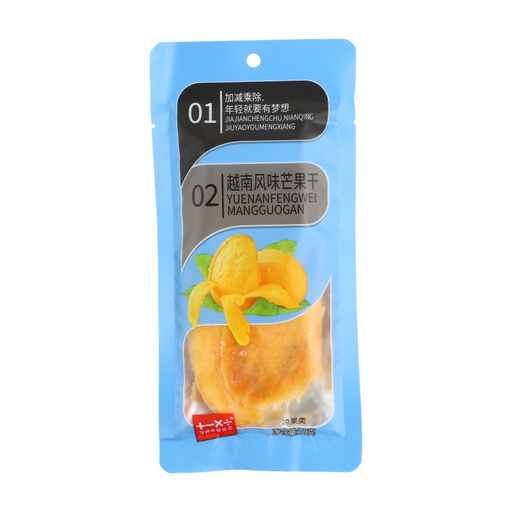
Why this product suits this profile: The 70-g pack is conveniently portioned and offers a sweet-and-sour flavour profile with salt and acidity regulators.
The product information lists the ingredients, nutritional values, allergens and storage instructions; the style description is not presented as the country of origin.
70 g net quantity, ready to eat and stated to be fat-free per 100 g; contains sulphites.

Why this product suits this profile: The large, soft mango strips are suitable for anyone looking for a fruit-forward recipe with no added sugar.
The “no added sugar” claim is supported by the ingredients list, while the naturally occurring sugar content remains visible in the nutrition table.
100 g pack size, large fruit strips, protective packaging and recyclable mono-laminate film according to the product information; contains sulphites.
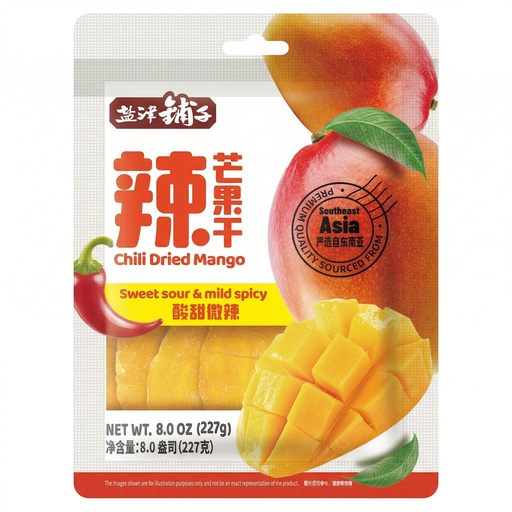
Why this product suits this profile: The 227-g pack is aimed at households or individuals who want to portion out a spicy mango snack regularly.
The description identifies the combination of sweet, sour and spicy flavours, as well as the presence of sulphites. This helps you understand the intense taste before buying.
Large pack, soft and chewy texture according to the description, plus chilli seasoning; store in a dry place away from direct sunlight.
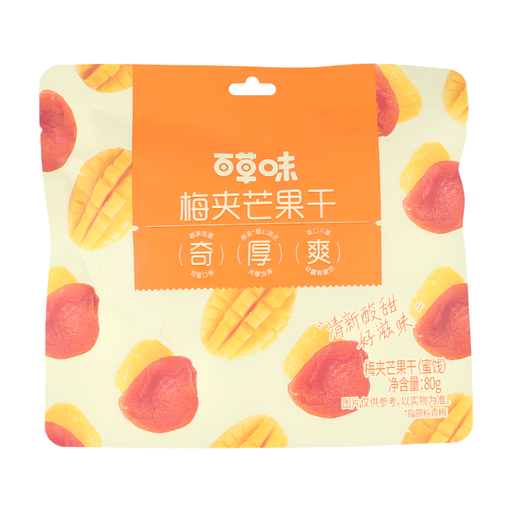
Why this product suits this profile: The combination of mango and green plum appeals to people who prefer a distinctly sweet-and-sour, salty fruit snack.
The ingredients list makes it clear that, alongside mango, the product contains plum, sugar, salt and acidity regulators. This prevents false expectations of a pure mango snack.
80 g total quantity with 12 small bags, ready to eat and suitable for taking on the go or sharing; no allergens according to the product information.
We have put together a complete, regularly updated list of products that fully meet these strict selection criteria and the safety regulations applicable in the EU.
For a classic, soft fruit snack, choose mango strips without additional seasoning. If you are looking for an exotic snack with more contrast, try mango with plum or a chilli variety. Thai- or Philippine-style products also mainly differ in their acidity, saltiness, sweetness and texture.
Dried mango contains fruit, but is more concentrated than fresh mango because water has been removed. Depending on the recipe, sugar, syrup or salt may be added. Therefore, check the nutrition table and treat dried mango as a snack rather than an equivalent substitute for fresh fruit.
Unopened packs should generally be stored in a cool, dry place away from direct sunlight. After opening, seal the pack securely. Some products require cooler storage after opening and should be consumed promptly. Always follow the instructions on the relevant packaging.
The best-before date is shown on the packaging. Depending on the product, unopened items may keep for several months. Once opened, the texture and flavour change more quickly. Take out portions with clean hands and reseal the bag immediately afterwards.