
Lieferung heute & morgen

Qualitätsgarantie

Willkommens-Angebote freischalten: KOSTENLOSE Lieferung | Bis zu 80 % RABATT | Kostenlose 30-Tage-JoyPlus-Testphase
App herunterladen
Dried mu-err mushrooms, also known as wood ear or cloud ear fungus, are a staple in Asian cuisine. Their mild flavour and unique, pleasantly firm texture make them a versatile ingredient for stir-fries, soups, and salads. However, there are several pitfalls when shopping that can lead to purchasing a low-quality product. This guide will help you separate the good from the bad and find the perfect mushrooms for your kitchen.
The most common problems when buying are products with high sand content, brittle, inferior mushroom pieces instead of whole specimens, and unclear information about the variety, which heavily influences the texture and cooking experience.
To avoid disappointment, you should pay attention to a few objective criteria before buying. These characteristics reveal the true quality of the dried mu-err mushrooms.
The names for this type of mushroom are diverse: wood ear, Jew's ear, or even Chinese morel. However, a crucial quality difference lies in the specific variety.
Pay close attention to the product description. If a specific origin like Hubei or the variety Cloud Ear Fungus is mentioned, it's often a sign of a more carefully selected product.
The quality of processing becomes apparent after soaking. High-quality dried mu-err mushrooms are distinguished by the following characteristics:
You will find both whole dried mushrooms and pre-cut slices on the market.
For most applications, whole mushrooms offer better control over texture and quality.
Based on the criteria mentioned, we have put together a selection of products for different needs.
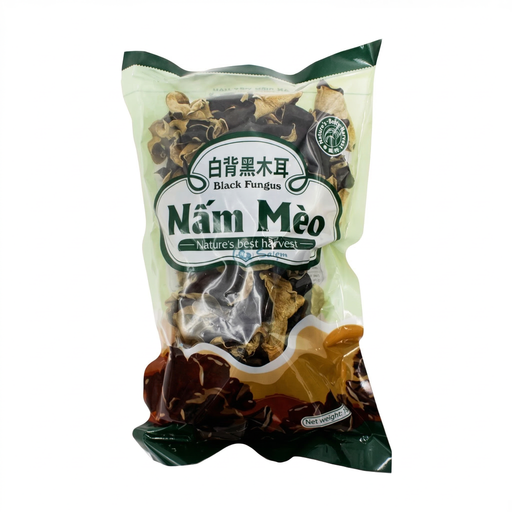
Why This Fits Their Persona: Ideal for home cooks trying mu-err mushrooms for the first time or using them only occasionally. The 100g package is a good amount to get acquainted with the ingredient without committing to a large supply.
This product offers solid standard quality. You get a reliable impression of the texture and flavour without paying for premium features that aren't crucial for beginners.
Versatile for use in salads, stir-fries, and soups. The ingredient is low in fat and rich in dietary fibre.
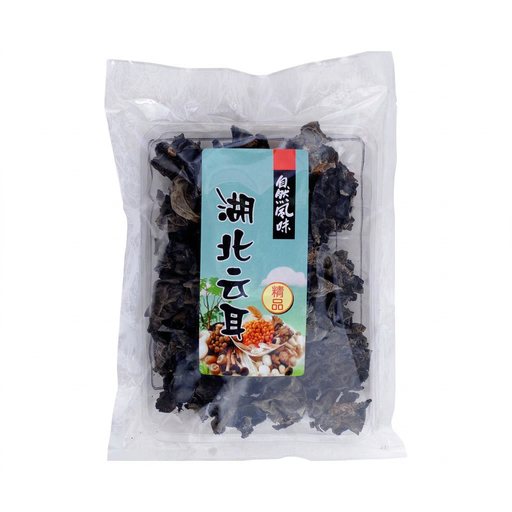
Why This Fits Their Persona: For cooks who prepare authentic Chinese dishes and value a particularly delicate texture. This variety is ideal for recipes where the mushroom is not just a filler but a prized component.
By explicitly positioning itself as Cloud Ear Fungus from Hubei province, it avoids the trap of non-specific "black fungus" and promises a defined, higher quality.
Thin, delicate texture after soaking. According to the manufacturer, it's sourced from Hubei, a renowned growing region for this mushroom variety.
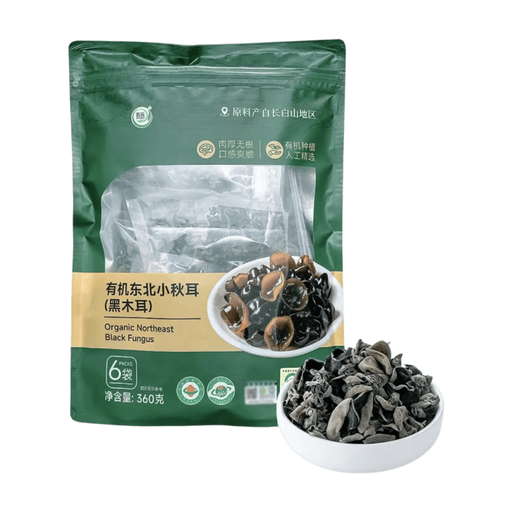
Why This Fits Their Persona: Perfect for families, vegetarians, and vegans who regularly use mu-err mushrooms as a staple in their diet. The large 360g package provides a good supply and an excellent price-to-quantity ratio.
By purchasing a bulk package with organic certification, you bypass the risk of receiving fluctuating or lower quality from cheaper, non-certified bulk quantities.
Large bulk pack (360g) and organic quality. The mushrooms are declared as "small black fungus," which suggests a uniform, smaller size.
We have compiled a complete, up-to-date list of products that meet these strict selection criteria and food safety regulations.
Proper preparation is crucial for both texture and safety. Soak the required amount of mushrooms for 20-60 minutes in cold or lukewarm water until they are fully rehydrated and soft. Avoid soaking the mushrooms for many hours or overnight at room temperature. After soaking, remove the hard stem base, rinse the mushrooms thoroughly, and then either blanch them in boiling water for a few minutes or cook them directly in your dish (e.g., soup or stir-fry). Mu-err mushrooms should never be consumed raw.
Look for clues in the product description. Indicators of higher quality include:
Yes, the terms are often used interchangeably. Jew's ear (Auricularia auricula-judae) is the common name in Europe, while Mu-err (木耳, literally "wood ear") is the Chinese term. Wood ear fungus and cloud ear fungus are other names that refer to the same or very closely related mushroom species.