
Lieferung heute & morgen

Qualitätsgarantie

Willkommens-Angebote freischalten: KOSTENLOSE Lieferung | Bis zu 80 % RABATT | Kostenlose 30-Tage-JoyPlus-Testphase
App herunterladen
As a Joybuy Product Recommendation Officer, I see every day how the right ingredient can transform a dish. Dried mushrooms are a cornerstone of Asian cuisine, lending unparalleled depth and texture to meals. However, buying them can be a challenge for home cooks. The selection is vast, quality differences are significant, and unclear product descriptions often lead to a disappointing culinary experience. This guide will help you navigate the most common pitfalls and find the right dried mushrooms for your culinary projects.
Before you dive into the world of Asian dried mushrooms, it's important to understand the typical issues that can lead to frustration in the kitchen and unnecessary expense.
To avoid these mistakes, you should focus on a few objective criteria when selecting your dried mushrooms. These will help you assess a product's quality and suitability, regardless of marketing claims.
Choosing the right variety is paramount. Each brings a unique profile that is crucial for certain dishes.
A look at the product description can reveal the processing quality. Look for terms like "clean," "sand-free," or "small stem base." Uniform drying is also a quality indicator, as it ensures the mushrooms rehydrate consistently. Products that specify their region of origin often offer greater transparency and reliability.
Reputable suppliers provide clear instructions for preparation, especially regarding soaking time and method (cold vs. warm water). This is crucial, as incorrect preparation can ruin the texture. Also, choose a pack size that matches your consumption. Bulk packages are often more economical but require proper, dry, and dark storage to maintain quality long-term. For occasional use, smaller units between 80g and 150g are often more practical.
Here are some recommendations tailored to different needs and cooking styles, which take the quality criteria mentioned above into account.
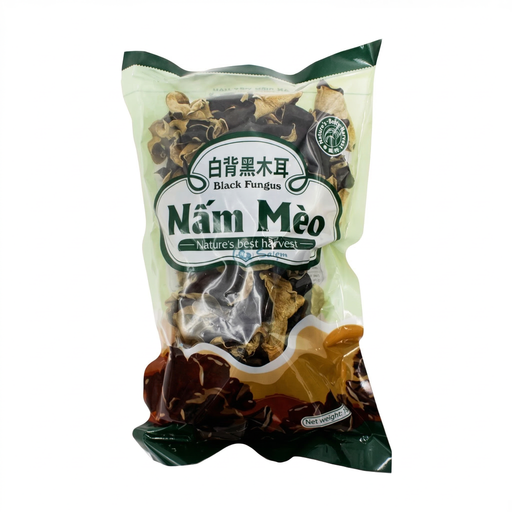
Why This Fits Their Persona: Ideal for those taking their first steps into Chinese home cooking. These wood ear mushrooms are extremely versatile, and the 100g pack is perfect for getting to know the ingredient without committing to a large supply.
The product is clearly labelled as "Black Fungus" (Wood Ear), which minimises the risk of confusion. As a standard ingredient, its use is well-documented and easy to learn.
It absorbs the flavours of sauces and broths well, adding a pleasant, firm texture to dishes. According to the manufacturer, it is rich in dietary fibre.
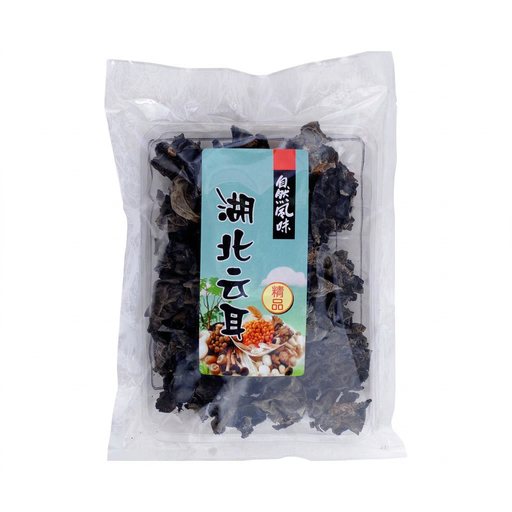
Why This Fits Their Persona: For cooks who value finesse. This special "Cloud Ear" variety from Hubei province is thinner and more delicate than standard wood ear mushrooms and is prized in Chinese cuisine for its superior texture.
The precise specification of the variety ("Cloud Ear") and origin (Hubei) creates maximum transparency, ensuring you get the exact delicate texture required for authentic dishes.
Offers a delicate yet slightly crisp texture after soaking. According to the manufacturer, this is a variety known for its high quality and excellent rehydration rate.
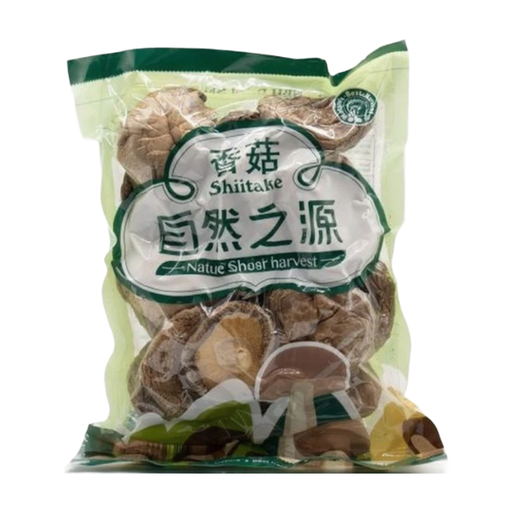
Why This Fits Their Persona: For anyone who cooks regularly and in large quantities. The 3kg value pack ensures this essential umami provider is always on hand, ideal for families, meal preppers, or small food service businesses.
Buying a large quantity of a clearly defined, standard variety like shiitake reduces the risk of a bad purchase. You secure a consistent supply of an ingredient whose properties you know and appreciate.
Economical stocking of a staple ingredient. The mushrooms are naturally dried, according to the manufacturer, to preserve their rich aroma and nutrients.
We have compiled a complete, up-to-date list of products that fully meet these strict selection criteria.
The most common method is to soak them in warm (not boiling) water for 20–30 minutes, until the mushrooms are fully rehydrated and soft. Some denser mushrooms or using cold water may require a longer soaking time of several hours. After soaking, the mushrooms should be rinsed thoroughly to remove any residual grit. Hard stem bases, especially on shiitake, should be trimmed off. Always follow the specific instructions on the product packaging.
Yes, although they have a very long shelf life. If stored improperly, especially with exposure to moisture, they can develop mould or a musty smell. Always store dried mushrooms in an airtight container in a cool, dry, and dark place. When stored correctly, they can often last for over a year.
There is no botanical difference. Mu-Err and Wood Ear are both names for the fungal species Auricularia auricula-judae. In commercial use, however, the terms can refer to different quality grades or sizes. 'Cloud Ears' are typically a smaller, thinner, and more highly regarded variety of wood ear mushroom.