
Lieferung heute & morgen

Qualitätsgarantie

Willkommens-Angebote freischalten: KOSTENLOSE Lieferung | Bis zu 80 % RABATT | Kostenlose 30-Tage-JoyPlus-Testphase
App herunterladen
Anyone looking to buy dried mushrooms will find a wide selection of Chinese dried mushrooms, Asian mushrooms and different pack sizes. Dried mushrooms are easy to store and versatile, making them practical for households, vegetarian and vegan kitchens, and catering businesses. However, products can vary considerably in terms of variety, cut, soaking time, origin and packaging.
As a Joybuy Product Recommendation Officer, I filter the most important product information and show what shoppers in Germany should look out for before buying.
Terms such as “dried black mushrooms”, “Chinese dried mushrooms” or “white tree mushrooms” can be used differently in everyday language. They may refer to dried Mu-Err mushrooms, wood ear mushrooms, snow fungus or other varieties, for example.
That is why the ingredients list is so important. It should identify the specific mushroom variety as clearly as possible, ideally with the scientific name as well. For shiitake, for example, “Shiitake Mushroom” or Lentinula edodes is clearer than a general description such as “forest mushroom mix”.
Mushrooms lose a great deal of water during drying and expand when soaked. A pack of 80 to 150 g can therefore be enough for several dishes. Smaller quantities are usually easier to store if you only cook occasionally. Catering businesses or households that regularly prepare wok dishes, hot pot or soups, on the other hand, may benefit from larger packs.
However, a large pack is only economical if it is kept airtight and dry. Once opened, moisture can affect the quality.
Marketing claims about the drying process do not automatically indicate whether a product is suitable for every recipe. More important are the ingredients, net quantity, country of origin, storage instructions, soaking time and the instruction to “cook before consumption”. The packaging should also be checked for allergen information and the best-before date.
Soaking time depends on the mushroom variety, size and cut. The product information available here gives instructions ranging from around 20 to 30 minutes to several hours in cold water. For Mu-Err mushrooms, three to four hours is sometimes recommended.
After soaking, mushrooms for soaking should be rinsed thoroughly. Tough stem ends or root sections should be removed. Dried wood ear mushrooms and comparable products must not be eaten raw. Some packs also recommend briefly blanching the mushrooms before adding them to a salad, soup or wok dish. The instructions for use on the packaging always take precedence.
Look for sealed, moisture-resistant packaging and a clearly stated net quantity. Many of the products available come from China or Vietnam. This is information about origin, not a quality assessment. For organic dried mushrooms, the relevant organic seal or inspection body details should be clearly identifiable on the packaging.
Once opened, dried mushrooms should be stored in a cool, dry and well-ventilated place, preferably in an airtight container. Keep them away from direct sunlight and moisture. The best-before date can be found on the relevant packaging.
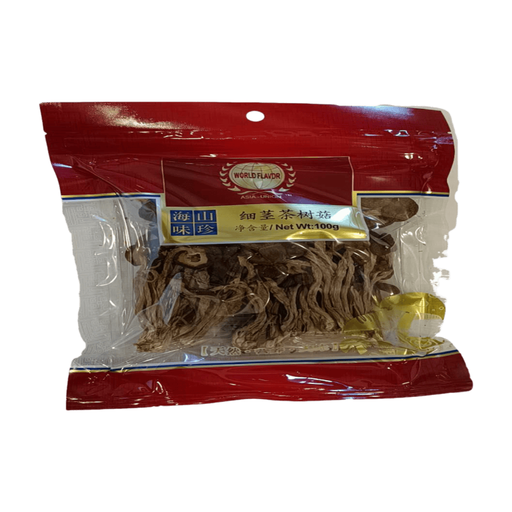
Why this product suits this profile: The 100-g pack offers an accessible introduction to dried Asian mushrooms and is suitable for soups, stews, stir-fries and vegetarian recipes.
The product information states the mushroom variety, origin in China, storage instructions, a soaking time of 20–30 minutes and the required cooking process.
100-g pack, fat-free nutritional information per 100 g and versatile uses.
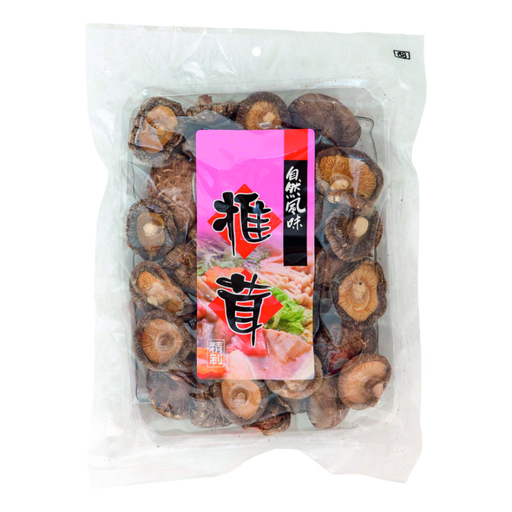
Why this product suits this profile: Made from 100% dried shiitake mushrooms with no other listed ingredients, this product will appeal to shoppers looking for a clearly declared single ingredient for stocks, sauces and wok dishes.
The ingredients list specifies 100% dried shiitake mushrooms; soaking, storage and versatile preparation methods are also described.
Distinctive umami flavour according to the product description, 100-g pack and no listed allergens.
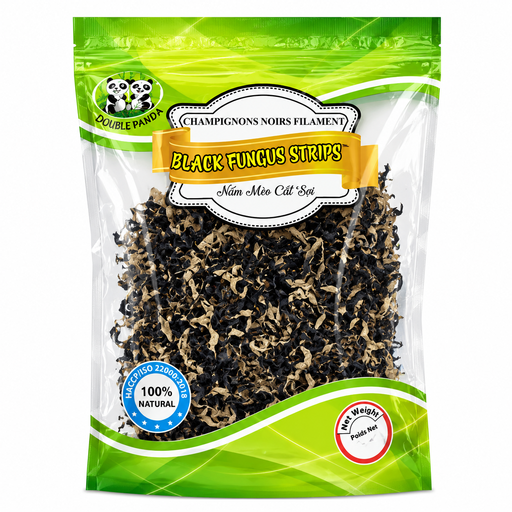
Why this product suits this profile: The 1-kg pack and pre-cut format are aimed at catering businesses, large households and people who regularly prepare wok dishes, hot pot, soups or salads.
The strip format reduces preparation time. The product information states a soaking time of 15–30 minutes and includes resealing instructions.
1 kg net quantity, pre-cut strips and stated suitability for soups, salads, noodles and hot pot.
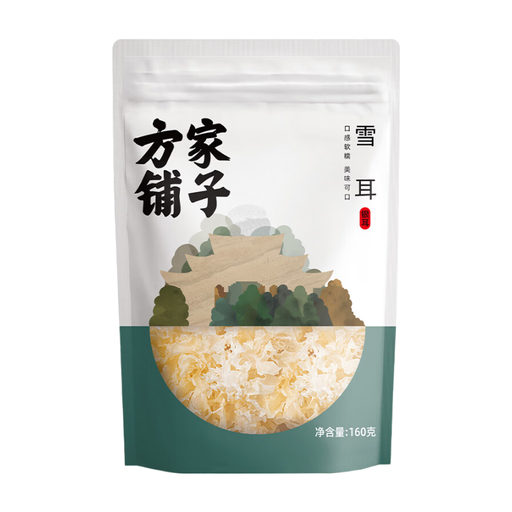
Why this product suits this profile: According to the product information, this dried white fungus is intended for Chinese sweet soups and desserts with red dates or lotus seeds.
The intended use, required soaking and cooking instructions are clearly described rather than simply promoting the product for “Asian cuisine” in general.
160-g pack, single ingredient “Snow Fungus” or white fungus, and clear preparation instructions.
We have put together a complete, regularly updated list of products that fully meet these strict selection criteria and the safety regulations applicable in the EU.
The following procedure is recommended for most dried mushrooms:
It is not advisable to apply the soaking time for one product to another. The size can affect preparation, particularly with Mu-Err mushrooms, wood ear mushrooms and whole shiitake.
The best-before date is shown on the packaging. Unopened products should be stored in a dry, cool place away from direct sunlight, in accordance with the manufacturer’s instructions. Once opened, an airtight container is recommended. If there is moisture, mould, an unusual smell or visible changes, the product should no longer be used.
This depends on the variety, recipe and desired texture. As dried mushrooms become significantly larger when soaked, it is best to start with a smaller quantity. The amount needed for a wok dish, soup or salad can vary considerably. A practical guide is the volume after soaking, rather than the dry weight alone.
Many products consist solely of dried mushrooms according to their ingredients list and are therefore generally suitable for vegetarian or vegan recipes. However, shoppers should still check the current ingredients and allergen information on the packaging. Depending on the variety, suitable options can be selected for soups, wok dishes, noodles, salads and hot pot.