
Lieferung heute & morgen

Qualitätsgarantie

Willkommens-Angebote freischalten: KOSTENLOSE Lieferung | Bis zu 80 % RABATT | Kostenlose 30-Tage-JoyPlus-Testphase
App herunterladen
By Joybuy Product Recommendation Officer, August 29, 2026
Asian dried mushrooms are a foundational ingredient, lending unparalleled depth and texture to Chinese and other Asian cuisines. Yet, many home cooks face challenges when buying them: unclear quality claims, a confusing variety of types, and products that fail to deliver on their promise after soaking. This guide will help you navigate the common pitfalls and select the perfect mushrooms for your culinary creations.
The online selection is vast, but not every product meets expectations. Pay attention to these three points to avoid disappointment:
To ensure you get the right product, you should check three core parameters before buying. These will help you objectively assess the quality and suitability of the mushrooms when ordering dried mushrooms online.
Each variety has unique characteristics. Understanding these profiles is the key to authentic preparation.
Good quality can be identified by external characteristics. Look for the following:
Proper preparation is crucial. Almost all dried mushrooms must be soaked (rehydrated) before use. The time varies depending on the variety and thickness, ranging from 20 minutes in warm water to several hours in cold water. After soaking, the mushrooms should be rinsed thoroughly to remove any potential residue. For some varieties like shiitake or wood ear, the tough stem bases must be removed.
Some mushrooms can also be processed into mushroom powder for seasoning to add an extra umami note to sauces and broths.
Here are some recommendations tailored to specific user profiles that meet the quality criteria mentioned above.
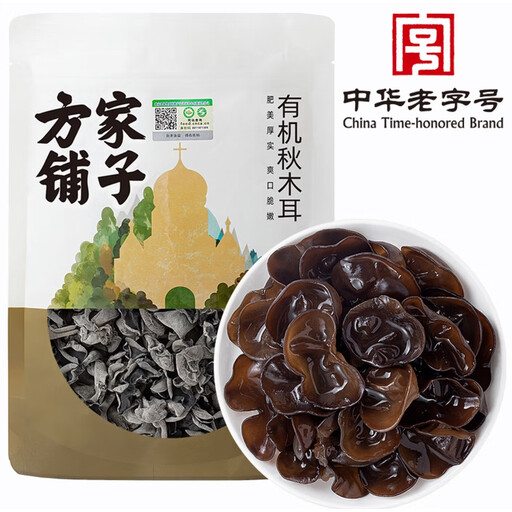
Why This Fits Their Persona: These wood ear mushrooms are extremely versatile and perfect for quick stir-fries, cold appetisers, and as an addition to hot pot. Their crisp texture holds up well during cooking, providing a pleasant contrast to other ingredients.
The product description explicitly mentions a high rehydration rate and few impurities. This directly addresses the pitfalls of low yield and a lack of cleanliness.
Thick and fleshy with a small stem base, which minimises cleaning effort. The organic certification suggests controlled cultivation.
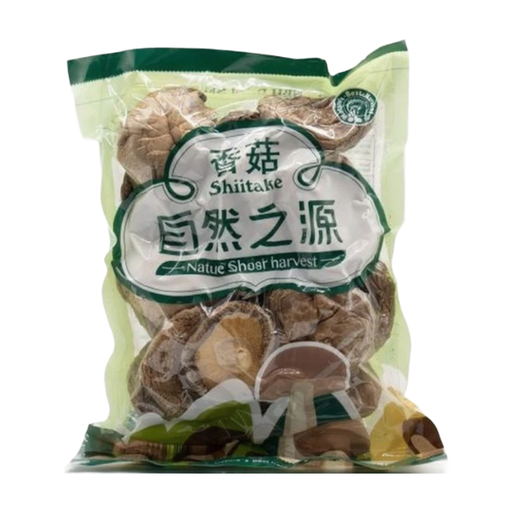
Why This Fits Their Persona: For those who cook regularly and value a deep umami flavour. This bulk pack of dried shiitake mushrooms is ideal for stocking the pantry and offers excellent value for frequent use in soups, broths, and stews.
Buying a bulk pack from an established brand reduces the risk of inconsistent quality between individual small purchases. The description emphasises the rich aroma, which indicates a good drying method.
Economical 3kg pack, ideal for restaurants or ambitious home cooks. The mushrooms are known for their ability to intensify the flavour of dishes.
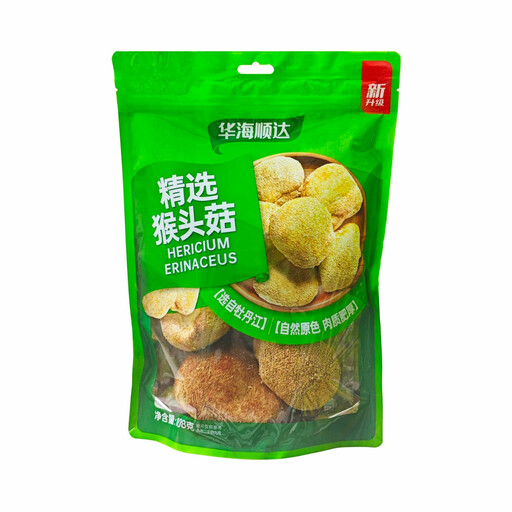
Why This Fits Their Persona: Anyone looking for a meat alternative or wanting to discover new textures will find an exciting ingredient in Lion's Mane. Its delicate, fibrous structure makes it a compelling star in vegetarian dishes.
By clearly labelling the product as Lion's Mane (Monkey Head Mushroom), it avoids the "wrong variety" pitfall. The description "fleshy, tender texture" sets a clear expectation for the culinary result.
Unique, meat-like texture. The product is described as 100% pure and free from additives, which preserves its natural flavour.
We've compiled a complete, up-to-date list of products that fully meet these strict selection criteria.
1. How long do you need to soak Asian dried mushrooms? The soaking time depends heavily on the mushroom variety and water temperature. As a rule of thumb, thin mushrooms like wood ear need about 20–30 minutes in warm water. Meaty mushrooms like shiitake should be soaked for several hours or overnight in cold water for optimal texture. Cold water generally preserves the texture and aroma better.
2. How can I identify high-quality dried shiitake mushrooms? Look for thick, fleshy caps with deep cracks on the surface (known as "flower mushrooms" or "Hua Gu"), which are considered particularly high quality. The mushrooms should be intact and have a strong, earthy scent. A uniform, dark brown colour without spots is also a good sign.
3. Can you use the soaking water from dried mushrooms? Yes, especially the water from shiitake mushrooms, which is very flavourful and rich in umami. It can be filtered and used as a base for soups, sauces, or broths to add extra depth to dishes. The water from wood ear mushrooms, however, is usually tasteless and is generally not reused.