
Lieferung heute & morgen

Qualitätsgarantie

Willkommens-Angebote freischalten: KOSTENLOSE Lieferung | Bis zu 80 % RABATT | Kostenlose 30-Tage-JoyPlus-Testphase
App herunterladen
Dried mushrooms are space-saving, long-lasting and suitable for a wide range of dishes. In Asian cuisine, they are used in soups, wok dishes, stews, salads and hot pot. Vegetarian and vegan recipes also benefit from their firm texture and intense mushroom flavour.
When shopping, however, the variety name is not the only factor to consider. Unclear product names, unsuitable pack sizes and inaccurate preparation instructions often lead to disappointing purchases. The following criteria help households, food-service businesses and enthusiasts of Chinese dried mushrooms make an informed choice.
Names such as “Tea Tree Mushroom”, “Poplar Mushroom”, velvet shank or Chinese mushrooms are not always used consistently in retail. Terms such as “black mushrooms”, wood ear mushrooms and cloud ear mushrooms may also refer to related species or products that have been processed differently.
If you are looking for a specific texture or flavour, you should therefore check the ingredient list, country of origin and, where available, the botanical name. When a product lists only “mushroom” as its ingredient, precise identification may be limited.
Dried mushrooms are light, but they expand considerably when soaked. Depending on the variety, a 100 g pack may be enough for several meals. For occasional cooking, 50 to 150 g is often a manageable quantity. Those who regularly cook for a family or food-service business may achieve a lower cost per use with a 1 kg pack—but should take particular care to store it in a dry, airtight container after opening.
Soaking softens dried mushrooms, but it does not replace cooking. Most products must subsequently be cooked thoroughly. Preparation times also vary according to the variety:
The instructions on the respective packaging take precedence. Once filtered, soaking water can be used in stocks or sauces, provided it is clean and contains no visible residue.
Dried shiitake deliver a pronounced umami flavour and meaty texture. They work well in soups, ramen, sauces, rice dishes and braised recipes. The stems of whole shiitake can be tough and are often removed or used separately to add depth to stocks.
Dried wood ear mushrooms, cloud ear mushrooms and other black mushrooms are less aromatic but offer an elastic to pleasantly crisp texture. They are ideal for wok dishes, soups, cold salads and hot pot. Sliced varieties reduce preparation time.
Tea tree mushroom- or velvet shank-style products tend to be fibrous and firm, depending on the name used. They can be added to soups, stews and stir-fries. With dried morels, the honeycomb-like surface and earthy flavour take centre stage; small packs are sufficient for occasional gourmet dishes.
A short ingredient list stating 100% mushrooms makes the product easier to assess. The country of origin, net quantity, best-before date, storage instructions and responsible food business operator are also relevant. Terms such as “organic”, “naturally dried” or “selected” should not be assessed in isolation. What matters is whether the relevant claims are clearly and verifiably stated on the product packaging.
For allergens, the specific labelling of the individual product is decisive. Some products are processed in facilities that may also handle soy, wheat, sesame, nuts, fish or crustaceans.
Per 100 g, dried mushrooms naturally contain less water than fresh mushrooms. As a result, the energy and carbohydrate values on the label may appear higher. These figures generally refer to the dry product rather than the ready-to-eat portion.
Some products list a high fibre content, such as DOUBLE PANDA Black Fungus, which provides 30 g of fibre per 100 g according to the product information. Other products differ considerably in protein, energy and salt content. Nutritional values can therefore only be meaningfully compared across brands when the reference quantity is identical.
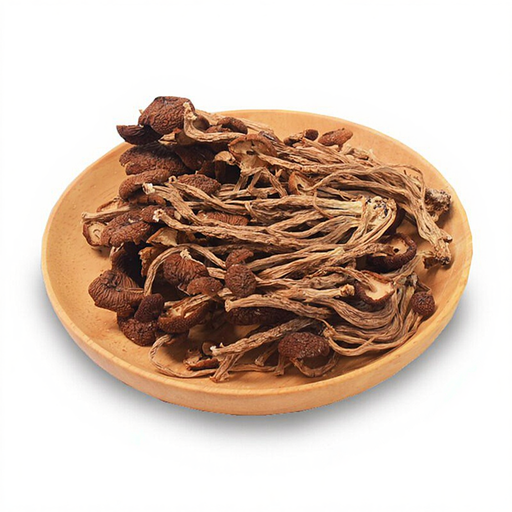
Why it is a good fit: The 100 g pack is ideal for households looking to try Chinese dried mushrooms in soups, stews or wok dishes.
The ingredient list names Tea Tree Mushroom as the sole ingredient. According to the product information, the mushrooms should be soaked and cooked before use.
100 g net quantity; versatile in soups, stir-fries and braised dishes; according to the nutritional information, 32 g of fibre per 100 g.
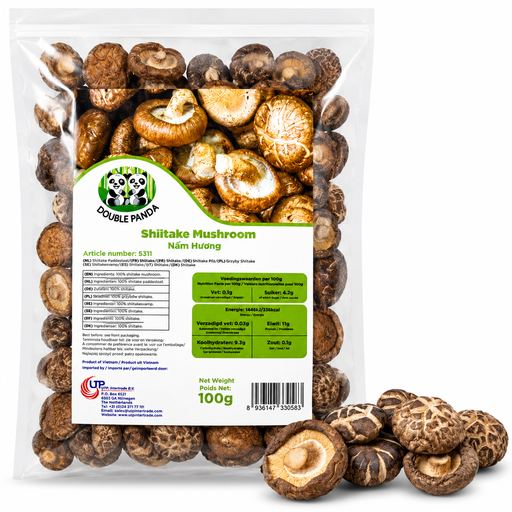
Why it is a good fit: Ideal for vegetarian and vegan dishes that call for pronounced mushroom flavour and a firm texture.
The preparation instructions specify 20–30 minutes of soaking in warm water, followed by thorough cooking.
100% shiitake according to the ingredient list; suitable for soups, wok dishes, sauces, noodles, hot pot and rice dishes.
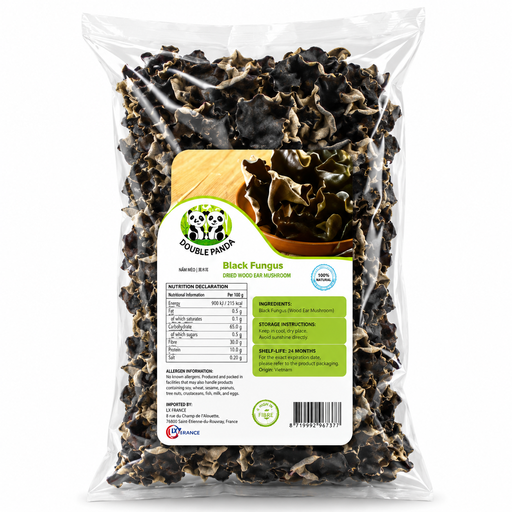
Why it is a good fit: This bulk pack is designed for kitchens with regular demand for black mushrooms in soups, salads, wok dishes and hot pot.
The pack size is clearly stated, making it easier to plan supplies for frequent use than when purchasing several smaller bags.
Whole dried wood ear mushrooms from Vietnam; according to the product information, 30 g of fibre per 100 g and a shelf life of 24 months.
Unopened dried mushrooms should be stored in a cool, dry place, protected from light and tightly sealed. After opening, an airtight container is recommended. Exposure to moisture can affect quality and should be avoided.
Rinse the mushrooms briefly before soaking. Once rehydrated, wash them thoroughly, particularly wood ear mushrooms or products that may contain traces of sand. Remove tough stem ends and root remnants. Soaked mushrooms should be used promptly and not kept unrefrigerated for extended periods.
Explore the full selection to compare dried mushrooms by variety, pack size and intended use.
This depends on the variety and size of the pieces. Shiitake often require 20–30 minutes in warm water. Black mushrooms may need 30–60 minutes or longer. Whole, thick mushrooms are often best soaked in cold water for several hours. The instructions on the individual pack are decisive.
Yes, filtered soaking water can add extra flavour to stocks, sauces or soups. It should first be poured through a fine sieve to remove sand or small particles. Do not use it if it has an unusual smell or contains visible dirt.
The best-before date on the packaging provides the key point of reference. When stored in a dry, airtight container away from light, dried mushrooms can retain their quality for longer. After opening, check them regularly for moisture, mould or unusual odours, and discard them if anything appears abnormal.