
Lieferung heute & morgen

Qualitätsgarantie

Willkommens-Angebote freischalten: KOSTENLOSE Lieferung | Bis zu 80 % RABATT | Kostenlose 30-Tage-JoyPlus-Testphase
App herunterladen
Finding the perfect snack or the right ingredient can be a challenge. When it comes to dried plums, the selection is particularly diverse, ranging from natural fruits for muesli and baked goods to seasoned Asian varieties perfect for snacking. This guide will help you understand the different types of prunes and make an informed choice that meets your needs—whether for a health-conscious diet, as a baking ingredient, or as a special treat.
To find the right dried plums for your needs, a few criteria can help guide your selection.
The most crucial factor is the flavour and intended use.
Most commercially available dried plums are already pitted. Buying pitted dried plums offers a clear advantage in convenience. They are ready to eat and can be used directly in recipes without any extra prep. Products with pits are less common and are often preferred by connoisseurs who appreciate the flavour the pit imparts to the fruit during the drying process. For everyday use and for families, pitted varieties are the more practical option.
It's always wise to check the ingredient list when you order dried fruit online. Natural products should ideally contain only one ingredient: plums. For seasoned varieties, the list provides information on added sugar, salt, sweeteners, or preservatives. The country of origin (e.g., California, Chile, France) can also be an indicator of certain quality characteristics and flavour profiles.
Here is a selection of different dried plums that cater to various tastes and uses.
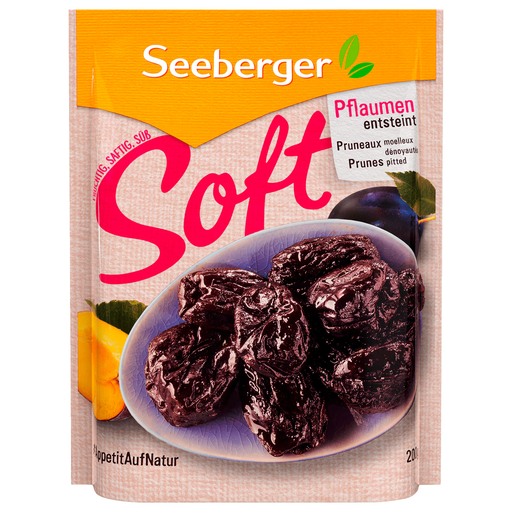
Why It Stands Out: This product represents a classic, natural treat. According to the manufacturer, the fruits come from Chile and California and are processed without any added sugar.
Pros:
Who It's For: Health-conscious consumers and families looking for a pure fruit snack or a natural ingredient for their recipes.
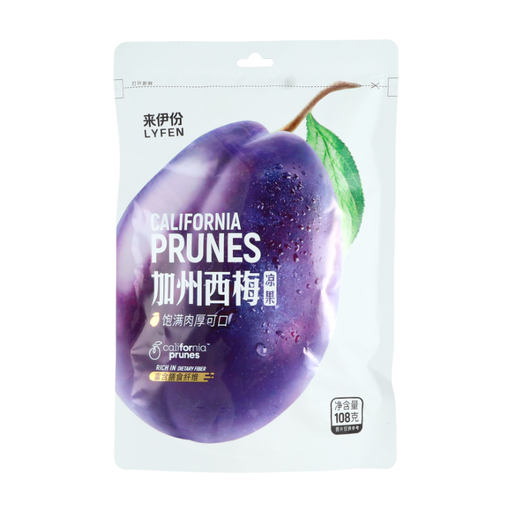
Why It Stands Out: These plums offer a classic Asian flavour experience. They are seasoned to be sweet and sour and are individually wrapped, making them a convenient on-the-go snack.
Pros:
Who It's For: Fans of Asian snacks who want a seasoned, hassle-free option for the office or on the go. Note: According to the ingredient list, it contains sweeteners (E958, E960, E961, E951) and phenylalanine.
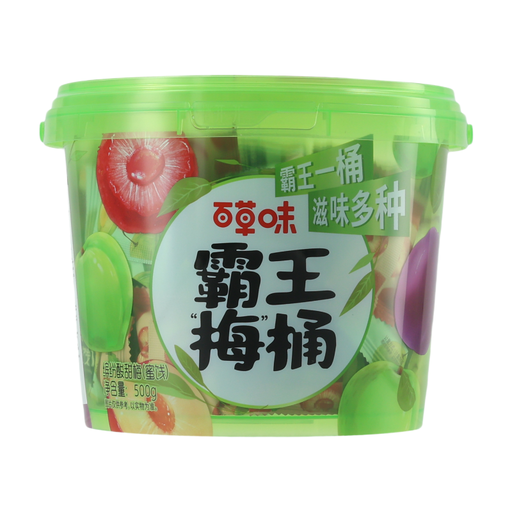
Why It Stands Out: The Be&Cheery mix offers variety in a single package. It contains five different types of candied plums, including Green Plum, Red Bayberry, and Suzhou Plum.
Pros:
Who It's For: Adventurous snackers who enjoy discovering different sweet-and-sour plum varieties. Note: According to the ingredient list, it contains sulfites and the colouring Ponceau 4R (E124), which may have an adverse effect on activity and attention in children.
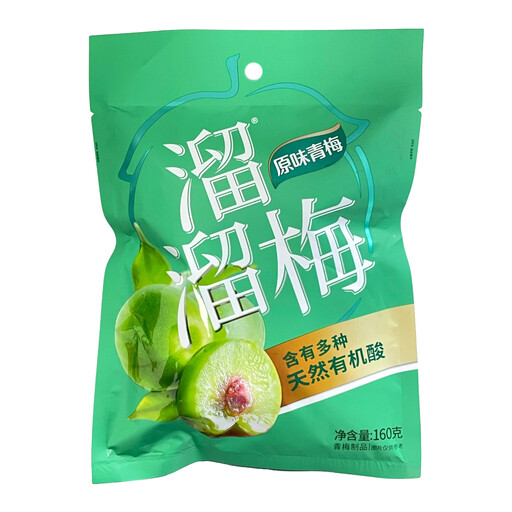
Why It Stands Out: This product focuses on the green plum, a variety highly prized in Asia. With a fruit content of ≥90% according to the manufacturer, it offers an authentic taste.
Pros:
Who It's For: Those who appreciate the specific taste and firmer texture of green plums and are looking for a traditionally prepared snack.
The world of dried fruits and snacks is vast. If you want to discover more alternatives or other sweet treats, you can find a wider selection of products in our Sweets & Gifts category.
The terms "dried plums" and "prunes" are generally used interchangeably. Both refer to plums that have had most of their water content removed through a drying process. There is no significant difference in quality or process between the two terms.
Pay attention to the product description and the ingredient list. For natural plums, a short ingredient list (ideally just "plums") is a good sign. For seasoned varieties, the list reveals the type of seasoning and any additives. Product images can also provide clues about the size and condition of the fruit. Information about the origin and whether the fruits are pitted are also useful criteria.
After opening, dried plums should be stored in an airtight container in a cool, dry place. This protects them from moisture and drying out, helping to preserve their freshness and flavour. Storing them in the refrigerator is an option but is generally not necessary as long as the storage area is dark and cool.