
Lieferung heute & morgen

Qualitätsgarantie

Willkommens-Angebote freischalten: KOSTENLOSE Lieferung | Bis zu 80 % RABATT | Kostenlose 30-Tage-JoyPlus-Testphase
App herunterladen
Dried plums can be very different products, depending on how they are processed. In German shops, you will find classic dried plums, soft prunes for baking, pitted fruit with no added sugar, and Chinese preserved plums with sweet-and-sour, salty or spicy notes. If you choose based only on the product image or terms such as “natural” and “traditional”, you can easily overlook important differences.
Plums naturally contain sugar. A pack can therefore be described as plums with no added sugar, even though the nutrition table still shows a significant sugar content. The key information is the ingredients list: does it contain only plums, or are sugar, syrup, dextrose or sweeteners also listed?
According to the product details, Seeberger Soft Pitted Prunes 200 g contains only plums as an ingredient. The nutritional information nevertheless lists 28 g of sugar per 100 g. This is not a contradiction; it simply shows the difference between added and naturally occurring sugar.
With pitted plums, the stone is removed by machine or by hand. Despite careful processing, individual stone fragments may remain. This warning appears on several Seeberger products, for example. For children or when baking, each piece should therefore be checked briefly.
Chinese preserved plums, prune snacks for baking and sweetened plum snacks often contain sugar, salt, sweeteners, acidity regulators, flavourings or preservatives. Their main purpose is usually a pronounced taste experience rather than the shortest possible ingredients list.
Salt content in particular can vary considerably. According to the product data, Jia Jian Cheng Chu Companion Plum 180 g contains 5.3 g of salt per 100 g. This means the snack should be viewed differently in terms of both taste and nutrition from naturally dried plums.
First, compare the order of the ingredients. It shows which components make up the largest quantities. For a neutral plum snack with a fruity taste, choose products where plums appear first and no additional sweeteners are included.
Preserved fruit may contain saccharin, sucralose, acesulfame K or aspartame, among other ingredients. Aspartame must be labelled with a warning that it is a source of phenylalanine. If you want to avoid certain additives, check the complete ingredients list on the German packaging.
A 65-g or 70-g pack is suitable for taking on the go and limits the amount consumed each time it is opened. Larger 200 g or 500 g bags are more practical for breakfast, baking and regular use, but should be sealed securely after opening.
Pay particular attention to:
The description high-fibre snacks should not be judged solely as a marketing claim. The decisive information is the specific nutritional data for the product in question.
Soft dried plums are ready to eat and work well with muesli, yoghurt alternatives or baking recipes. Firmer, more heavily seasoned products are often sold as snacks or to accompany tea. For prunes used in recipes, a softer texture can make preparation easier.
Most products should be stored in a cool, dry place. After opening, a tightly sealed closure is recommended so that the fruit neither dries out nor absorbs moisture from its surroundings. The best-before date can be found on the relevant packaging.
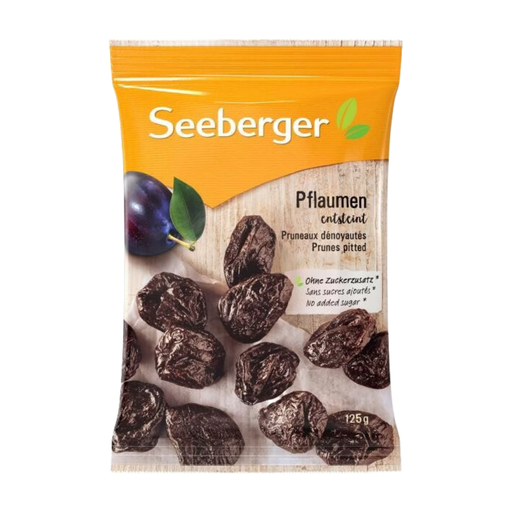
Why this product suits the profile: The compact 125-g pack offers an accessible introduction to soft, pitted dried plums and is suitable for individual snacks or breakfast.
According to the product details, it contains no added sugar. However, the warning about possible stone fragments should still be taken into account.
125 g contents, soft texture, and described as vegan and free from added sugar.
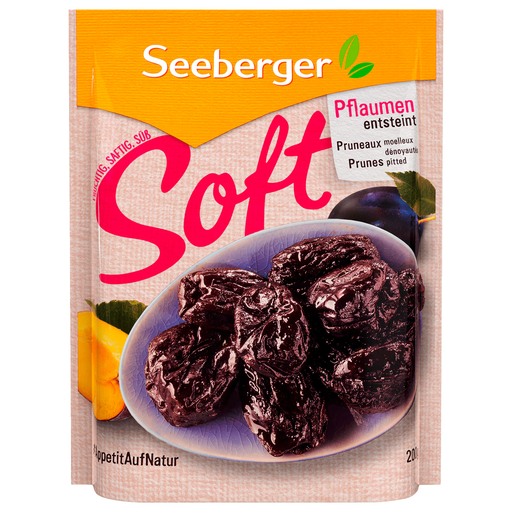
Why this product suits the profile: According to the product description, the ingredients list contains only plums. This makes it a clear choice for shoppers who prioritise a short ingredients list.
According to the details, neither added sugar nor preservatives are listed. The naturally occurring sugar content remains visible in the nutrition table.
200 g contents, soft pitted fruit, and described as free from added sugar and preservatives.

Why this product suits the profile: The 500-g pack is designed for repeated use in muesli, baking and cooking, reducing the need to buy more frequently.
The ingredients are clearly listed: plums and potassium sorbate. This makes it easy to distinguish the product from varieties containing sugar, salt and several sweeteners.
500 g contents, soft pitted plums, and described as suitable for a vegan diet.
If you are looking for sweet-and-sour plums, sweetened plum snacks or traditional Chinese preserved plums, compare the taste and ingredients carefully. Products such as Jiabao Preserved Plums 65 g or Tongxiang ShareLover Plum 70 g combine plums with sugar, salt, sweeteners and acidity regulators. This explains their more intense taste, but the ingredients list is more extensive.
Some products have very high stated salt levels. They may also contain colourings, preservatives or sulphites. According to the product data, Be&Cheery King Plum Assorted Preserved Plums Tub 500 g contains sulphites as well as several sweeteners and colourings. Vegans should also check the specific ingredients, as “dried fruit” does not automatically mean that a product is free from all additives.
We have put together a complete, regularly updated list of products that fully meet these strict selection criteria and the safety regulations applicable in the EU.
No. No added sugar means that no additional sugar is listed in the ingredients. The plum’s natural sugar remains present and is shown in the nutrition table.
Store the pack in a cool, dry place away from direct sunlight. Seal it carefully after each use. With products that have a soft texture, moisture can alter the consistency.
Soft, pitted plums with a short ingredients list are generally easy to cut and use in dough, muesli or compote. Heavily salted or spiced preserved plums are intended more as standalone snacks and may alter the flavour of a sweet recipe.