
Lieferung heute & morgen

Qualitätsgarantie

Willkommens-Angebote freischalten: KOSTENLOSE Lieferung | Bis zu 80 % RABATT | Kostenlose 30-Tage-JoyPlus-Testphase
App herunterladen
Dried seaweed is suitable for many dishes: Nori seaweed for sushi, wakame for miso soup and salads, or kombu seaweed for broths and stews. Roasted seaweed and spicy seaweed crisps are also available as convenient snacks. However, choosing the right product is not simply a matter of taste. Pack size, salt content, allergens and the preparation required all determine whether a product suits your everyday routine.
Some products can be eaten straight away as a snack, while others need to be rinsed, soaked or cooked before consumption. Dried seaweed for soup and salad can expand considerably after soaking. If you measure out the required amount while it is still dry, you can therefore quickly prepare too much.
Look for information such as “ready to eat”, “ready for consumption” or “preparation required”. With kombu, kelp leaves and many wakame products, rinsing and soaking are normally part of the process.
Roasted seaweed with soy sauce, oil or spice blends has a stronger flavour than plain seaweed sheets. At the same time, salt and seasonings can account for a significant proportion of the nutritional information. For example, Strong Seaweed lists approximately 2,333 mg of sodium per 100 g; the individual serving is 4.5 g.
The salt information is also important for wakame and kelp, particularly if the product has already been salted. So do not just compare calories or protein. Always check salt per 100 g and per serving as well.
A 150-g pack may look attractive at first glance, but if you only use it occasionally, it could remain open for a long time. Moisture affects the crispness of Sushi Nori and seaweed snacks. A larger pack can make sense if you regularly enjoy sushi evenings; for individual meals, 20 to 50 g is often easier to use up.
For plain products, the ingredients list should ideally contain only dried seaweed or a clearly stated type of seaweed. Seasoned seaweed crisps, on the other hand, often contain oil, sugar, soy sauce, sesame or flavour enhancers.
Pay particular attention to the allergen information for soy sauce: it may contain soya beans and wheat. BBQ varieties may also contain sesame or additional seasoning ingredients. A product with no listed allergens does not automatically rule out the possibility of traces. The information on the relevant packaging is the decisive source.
Nutritional information almost always refers to 100 g of dry product. For lightweight seaweed sheets, this reference quantity is of limited practical relevance. It is also worth checking the actual serving size, the number of packs and the ingredients.
Pay attention to:
Iodine content can vary considerably depending on the type of seaweed and how it has been processed. If you need to monitor your iodine intake, check the product information and seek medical advice if you are unsure. A specific iodine content cannot be determined from the ingredients list alone.
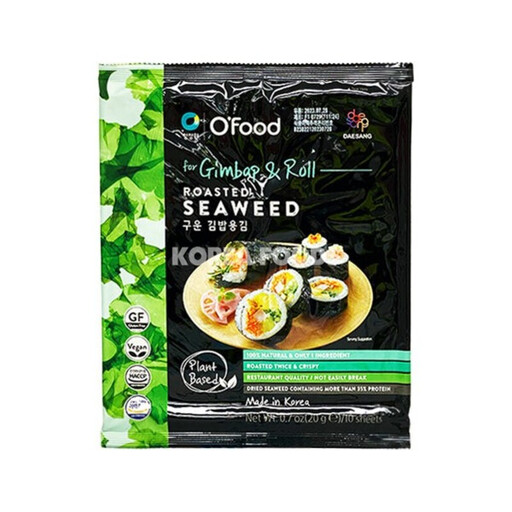
Why this product suits this profile: The 20-g pack is a manageable size and designed for sushi sheets. According to the product information, the seaweed consists of 100% dried seaweed and can also be enjoyed as a crispy snack.
The clear product positioning makes it easier to distinguish between a sushi ingredient and a seasoned snack. Nevertheless, check the nutritional information and storage instructions on the pack before buying.
20 g pack size; according to the information provided, no listed allergens and made with 100% dried seaweed.
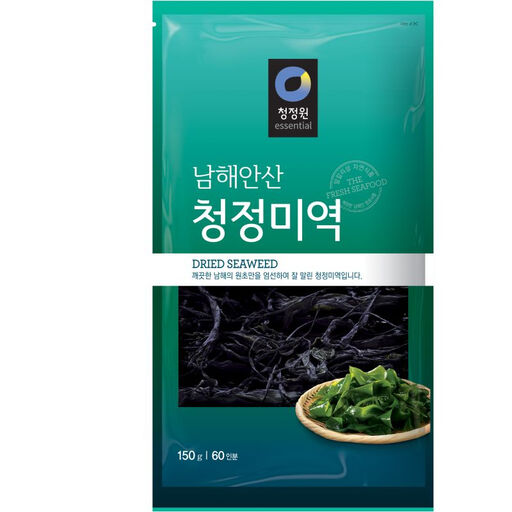
Why this product suits this profile: The ingredients list names dried seaweed as the only ingredient. According to the product information, it can be used as a wrap, snack, soup ingredient or seasoning.
This is not a heavily seasoned seaweed snack. As a result, the ingredients list remains short; however, the salt content of 17.12 g per 100 g should still be taken into account.
150 g contents; versatile uses; according to the product information, no listed allergens.
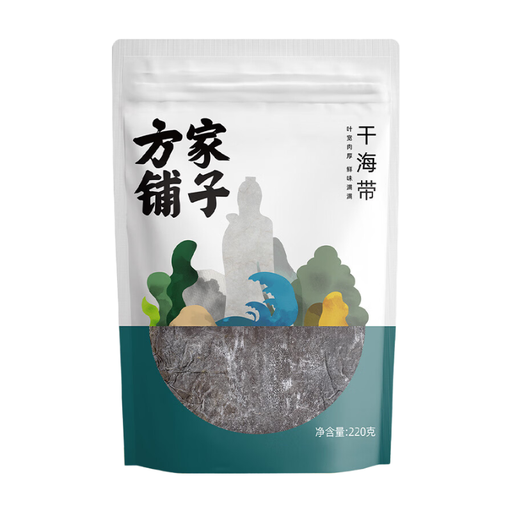
Why this product suits this profile: The 220-g pack is aimed at households that regularly prepare broths, soups or braised dishes. According to the product information, the kelp is rinsed, soaked and then cooked.
The labelling clearly states that preparation is required. This means the product should not be confused with ready-to-eat seaweed crisps or roasted seaweed sheets.
220 g contents; intended for broths and stews; according to the information provided, dried kelp is the only ingredient.

Why this product suits this profile: According to the product information, this crispy, seasoned version is ready to eat and designed to be enjoyed directly as a snack.
The product information lists the seasoning ingredients and possible contact with crustaceans and molluscs. Check these details before buying.
32 g pack size; ready to eat; original flavour with 85% seaweed according to the product information.
Store dried seaweed in a cool, dry place away from direct sunlight. After opening, an airtight container is recommended. This prevents Nori seaweed or roasted seaweed from absorbing moisture and becoming soft.
For wakame and kelp:
We have put together a complete, regularly updated list of products that fully meet these strict selection criteria and the safety regulations applicable in the EU.
This depends on the type of seaweed. Nori sheets for sushi and ready-to-eat seaweed snacks can usually be used straight away. Wakame is generally soaked for a few minutes and then drained. Depending on the product, kelp and kombu require rinsing, soaking and cooking. The instructions on the relevant packaging are the key reference.
The best-before date is shown on the packaging. Unopened products should be stored in a dry place protected from light. After opening, moisture can alter the texture. An airtight container is particularly useful for crispy products; prepared or already seasoned products should be used promptly in accordance with the manufacturer’s instructions.
There is no universal answer, as seaweed types and iodine content vary. Salt, sugar and fat levels also differ depending on the recipe. Check the nutritional and ingredients information and take your personal dietary requirements into account. If you have specific health requirements, individual professional advice is recommended.