
Lieferung heute & morgen

Qualitätsgarantie

Willkommens-Angebote freischalten: KOSTENLOSE Lieferung | Bis zu 80 % RABATT | Kostenlose 30-Tage-JoyPlus-Testphase
App herunterladen
By Joybuy Product Recommendation Officer, August 28, 2026
Dried tofu and other soy products are gaining popularity in Western kitchens, whether as a high-protein ingredient or a savory snack. However, the growing selection, especially on online Asian food marketplaces, can be overwhelming. Vague product descriptions or exaggerated marketing claims often lead to a purchase that doesn't meet expectations. This guide will help you identify the key features and find products that truly fit your needs.
Before adding products to your cart, you should be aware of three common issues that often lead to disappointment:
To avoid these pitfalls, it's helpful to check three core parameters. These will give you an objective basis for your purchasing decision.
The form and processing method largely determine the texture and use. The most common varieties are:
A look at the back of the package is essential. Pay attention to the following:
Reputable suppliers clearly state whether a product can be consumed directly ("Ready to eat") or requires preparation ("Requires cooking"). This information is crucial to avoid bad purchases and ensure the product fits your intended use.
Based on the criteria above, we have compiled a selection of products suitable for different needs.
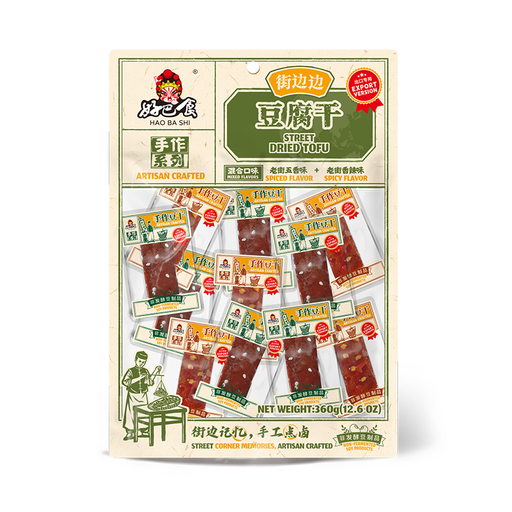
Why it's a good fit: Ideal for those looking for a convenient, high-protein, and flavorful snack for work, after a workout, or while traveling. The individual packages are hygienic and easy to carry.
The product is clearly declared as a ready-to-eat snack. The mixed pack with five-spice and spicy varieties lets you try different flavors, avoiding disappointment from an unexpected texture or seasoning.
High protein content (approx. 18g per 100g). Individually wrapped portions for easy portability and freshness.
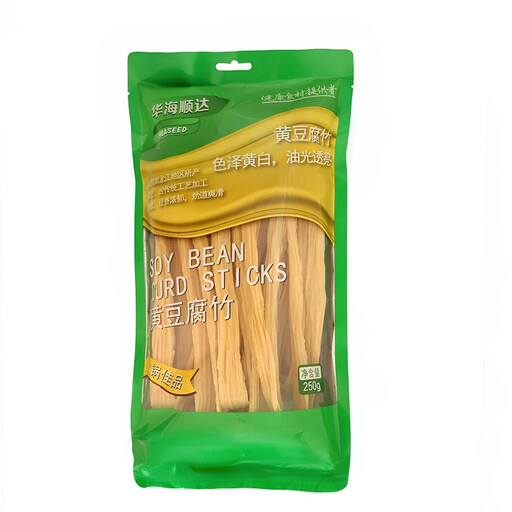
Why it's a good fit: For anyone who wants to prepare authentic Asian snacks and dishes. These tofu skin sticks (yuba) are a versatile ingredient for hot pot, stews, and stir-fries.
The product type is clearly identifiable as a cooking ingredient (yuba) that needs to be soaked. The ingredient list is minimal (soybeans, water), thus avoiding hidden additives, sugar, or excessive salt.
Very high protein content (44.6g per 100g). The texture excellently absorbs sauces and broths without falling apart.
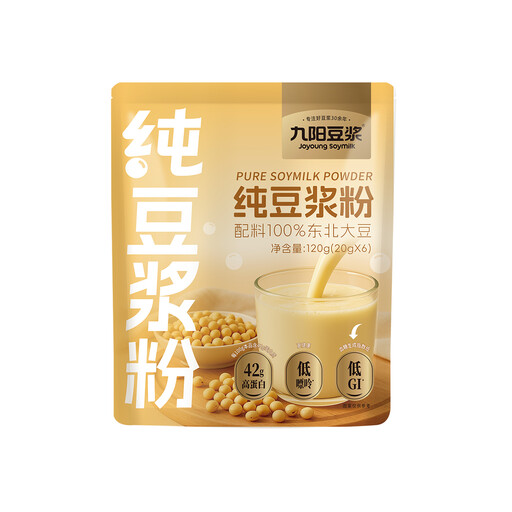
Why it's a good fit: For anyone looking for a quick, nutritious, and purely plant-based breakfast option or a post-workout drink. This soy milk powder is unsweetened and free of additives.
This product completely avoids the pitfall of hidden ingredients, as it consists of 100% soybeans according to the manufacturer. The sugar content is minimal at 1g per 100g.
Extremely high protein content of 42g per 100g. Convenient single-serving packets for quick and easy preparation.
We have compiled a complete, up-to-date list of products that fully meet these strict selection criteria.
Dried tofu sticks should be soaked in warm water before cooking. The duration varies depending on the thickness of the sticks but is typically between 15 and 30 minutes. Once they are soft and pliable, you can drain the water and cut the sticks into desired lengths. They are then excellent for soups, stews, or stir-fries, as they absorb the flavors of the sauce well.
Although both are made from soy, they differ in processing and texture. Dried tofu (like pressed tofu or yuba) is made directly from soy milk and retains a relatively smooth, dense structure. Textured soy protein (TSP) is made from defatted soy flour, which is expanded into a fibrous, porous structure. After rehydration, it has a more meat-like, chewier texture.
Seasoned tofu snacks can be a good source of plant-based protein. However, it is important to check the nutritional information. Some products may have a high content of salt, sugar, or flavor enhancers. A conscious choice, where you look for high protein content and moderate salt and sugar levels, makes them a convenient option for a high-protein snack.