When choosing dried fruit for a night in front of the telly, don’t rely on a general ‘free from’ claim alone: what matters is your specific allergen and the information on the pack you’re buying. ‘Unsulphured’ is a useful indication if you want to avoid added sulphur dioxide, but it says nothing about other allergens or possible traces. It’s also worth checking the ingredients and nutritional information if you’re looking for ‘no added sugar’ options.
Who should take care when choosing?
People with a specific food allergy
If you need to avoid a particular allergen, compare the ingredients and allergen information on each pack with your needs. A general ‘free from’ claim does not guarantee that a product is free from every allergen or possible cross-contamination.
People who avoid sulphites
With apricots and other dried fruit, how they’re processed matters. ‘Unsulphured’ means no sulphur dioxide has been added, but you should still check the rest of the labelling.
People who want to compare ingredients
If you prefer a short ingredients list or no added sugar for your night in front of the telly, compare the products themselves. Dried fruit can naturally contain sugar even when no sugar has been added.
What should you look for when buying?
When choosing dried fruit for a night in front of the telly, any allergen you personally need to avoid takes priority over preferences around processing and flavour. The Lower Saxony State Office for Consumer Protection and Food Safety explains that ingredients containing allergens which must be declared are highlighted in the ingredients list on prepacked foods.
| What to consider |
What to check when buying |
Who it matters most to |
| Specific allergen |
Check the ingredients list, highlighted allergens and any trace warnings on the pack you’re buying. |
If I need to avoid a specific allergen, my snack must have information that addresses it. Around 50% of consumers put this first. |
| Sulphites and additives |
Compare claims such as ‘unsulphured’ with the full ingredients list; for sulphured fruit, look for sulphur dioxide and sulphites. |
I want to choose dried fruit without added sulphur dioxide and keep an eye on the other ingredients too. This is the top priority for around 30% of consumers. |
| Ingredients and portion size |
Compare the ingredients, sugar per 100 g in the nutritional information and pack size. |
For a night in front of the telly, I’m looking for a type and quantity of fruit that suit my preferences, without an allergen or sulphites determining my choice. This is the main consideration for around 20% of consumers. |
Common misconceptions
-
‘Unsulphured’ doesn’t mean ‘allergen-free’
Seeberger describes ‘unsulphured’ as meaning that no sulphur dioxide has been added. The claim does not rule out other allergenic ingredients or possible cross-contamination.
Use the claim to narrow down your options if you want to avoid added sulphur dioxide, then check the full labelling.
-
Sulphured apricots aren’t a neutral default choice
An apricot product described by EDEKA contains sulphur dioxide as a preservative and lists sulphur dioxide and sulphites as allergens.
If you need to avoid sulphites, read the ingredients and allergen information for each variety. Check every ingredient in mixed products.
-
A retailer’s category page is no substitute for the information on the pack
EDEKA points out that online information may differ from the packaging. For one variety of figs, ALDI SÜD says that different suppliers may be used and advises checking the product in store for precise information.
Check the ingredients and allergen information on the pack you’re actually buying.
-
‘No added sugar’ doesn’t mean ‘sugar-free’
This claim refers to added sugar; the sugar naturally present in the fruit is separate.
If it matters to your choice, compare the ingredients list and the sugar per 100 g shown in the nutritional information.
Brands and retailers to consider
Seeberger
Dried fruit in a range of forms, including varieties described as unsulphured.
- The range overview helps you compare fruit types and processing claims when narrowing down your options.
- A range overview is no substitute for the ingredients and allergen information on an individual product.
REWE
A retailer category offering dried fruit from different brands and in different forms.
- The category gives you a starting point for comparing fruit types and varieties.
- Being listed in the same category doesn’t mean products share the same ingredients or allergen labelling.
EDEKA Herzstücke
One example is dried, sulphured apricots.
- For this apricot product, EDEKA lists sulphur dioxide as a preservative and sulphur dioxide and sulphites as allergens.
- EDEKA warns that online information may differ from the packaging.
Alesto
Lidl’s own brand, offering dried fruit, nuts and other snacks.
- The different product types make it easier to narrow down your options by fruit type.
- The brand name alone tells you nothing about the ingredients or allergens in a particular pack.
NATURLIEBLINGE – KLEINE SCHÄTZ
ALDI SÜD own brand, with dried fruit options such as figs.
- One fig variety is described as a 200-g pack.
- ALDI SÜD says that different suppliers may be used and advises checking the product in store for precise information.
Dried fruit at Joybuy
These dried fruits could make a good snack for a night in front of the telly if the fruit type and pack size suit your preferences. You’ll need to check the pack itself to decide whether a product is suitable for your specific allergen needs or for avoiding sulphites.
 No image available
Seeberger Deglet Nour dates, pitted, 500 g
An option for a night in front of the telly if you prefer pitted dates. If you have a specific allergen to avoid, check the ingredients and trace warnings on the pack.
View at Joybuy
 No image available
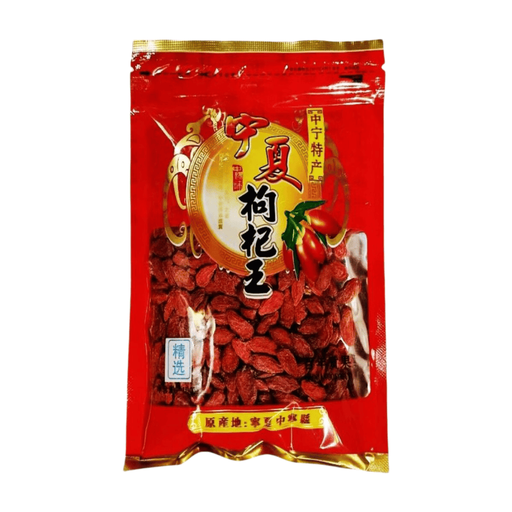
Ningxia goji berries, 100 g
An option if you’re looking for goji berries in a 100-g pack. If you need to avoid sulphites or have a food allergy, the information on the specific pack is what matters.
View at Joybuy
 No image available
Haoxiangni Grade A No-Wash Jujubes, 500 g
A jujube option for anyone who enjoys this fruit as a snack; the pack weighs 500 g. Before buying, check the ingredients and allergen information against your needs.
View at Joybuy
Frequently asked questions
Are dried fruits with no allergenic ingredients automatically suitable for every allergy?
No. The ingredients list tells you which ingredients have been used, but it isn’t a general guarantee against every allergen risk. The Federal Institute for Risk Assessment points out that individual sensitivities vary and absolute certainty is not possible, so check any trace warnings that are relevant to you too.
How can I spot sulphur dioxide and sulphites in dried fruit?
Look for ‘sulphured’, ‘sulphur dioxide’ and ‘sulphites’ on the label. For one sulphured apricot product, EDEKA lists sulphur dioxide as a preservative and sulphur dioxide and sulphites as allergens.
Are unsulphured dried fruits suitable for every food allergy?
No. According to Seeberger’s explanation, ‘unsulphured’ means that no sulphur dioxide has been added. You’ll also need to check the ingredients, allergen labelling and any relevant trace warnings to see whether the dried fruit is suitable for your specific allergen needs.


