If you have diabetes, low fat alone is not a useful way to choose dried fruit. Compare the carbohydrate and sugar figures in the nutrition information, check the ingredients and factor the portion you actually plan to eat into your personal meal plan. Fruit with no added sugar and freeze-dried varieties are not automatically low in sugar either.
Who these buying criteria matter to
People planning their portions and carbohydrates
If you’re planning to have dried fruit as a snack, you’ll need the carbohydrate figure for the amount you’ve chosen. For people with insulin-dependent diabetes, the amount of carbohydrate is relevant to individual insulin planning, according to diabetesDE.
People comparing ingredients
If you want to avoid added sugar, distinguish unsweetened fruit from sweetened or candied varieties. Seeberger stocks these varieties alongside one another, so it’s important to check the name of each product.
People avoiding sulphur dioxide or sulphites
If you need or want to avoid these substances, check the ingredients and allergen information on the specific pack. For example, EDEKA lists sulphur dioxide and sulphites for its sulphur-treated apricots.
What to look for when buying
Start with your planned portion size and the nutrition information. Then use the ingredients list and allergen information to distinguish products with added sugar or sulphur dioxide.
| Criteria |
What to check |
Who it matters to |
| Carbohydrates and portion size |
Check the carbohydrates and of which sugars figures per 100 g, then work them out for the amount you plan to eat; consider the fat figure only as an additional factor. |
If I’m planning to have dried fruit as a snack, the portion needs to fit my personal carbohydrate plan. This is the main consideration for around 50% of consumers. |
| Ingredients and added sugar |
Check the ingredients list and terms such as “sweetened” or “candied”; don’t confuse “no added sugar” with “sugar-free”. |
I want to choose fruit with no added sugar and identify sweetened varieties. Checking the ingredients is the main concern for around 30% of consumers. |
| Sulphur dioxide and sulphites |
Check the ingredients and allergen information for sulphur dioxide, sulphites or “sulphured”. |
Anyone who needs or wants to avoid sulphur dioxide or sulphites needs clear labelling above all. This check takes priority for around 20% of consumers. |
Common selection mistakes
-
Using “low fat” as your main criterion
Low fat content doesn’t tell you how many carbohydrates are in a portion of dried fruit. EDEKA lists GUT&GÜNSTIG prunes as containing 0 g of fat, but 66 g of carbohydrates and 42 g of sugar per 100 g.
First compare carbohydrates and sugar per 100 g, then calculate the figures for your planned portion.
-
Confusing “no added sugar” with “sugar-free”
This claim refers to added sugar, not the sugar naturally present in the fruit. Removing the water means the sugar content per 100 g is higher than in fresh fruit, as explained by the Verbraucherzentrale.
As well as checking the ingredients list, read the nutrition information for sugar and carbohydrates.
-
Assuming freeze-dried fruit is automatically lower in sugar
Water is removed from freeze-dried fruit too. The Verbraucherzentrale points out that this concentrates the sugar and calories per 100 g.
Choose according to the texture and use you prefer, but use the nutrition information to assess your planned snack portion.
-
Overlooking allergen labelling
Sulphur dioxide and sulphites may be present in sulphur-treated dried fruit. EDEKA lists these substances for one variety of sulphur-treated apricots.
If you need or want to avoid these substances, check the specific pack for relevant information. “Unsulphured” on its own tells you nothing about the sugar or carbohydrate content.
Brands to consider
Seeberger
Seeberger stocks a range of dried fruit, including unsweetened, sweetened, candied and unsulphured varieties.
- Product names distinguish, for example, unsweetened pineapple from sweetened cranberries.
- Ingredients vary between products, so check the information on each pack.
EDEKA Herzstücke / GUT&GÜNSTIG
EDEKA publishes ingredients and nutrition information for some dried fruit products.
- For GUT&GÜNSTIG prunes, EDEKA lists 0 g of fat, 66 g of carbohydrates and 42 g of sugar per 100 g.
- EDEKA Herzstücke apricots list sulphur dioxide as an allergen; check the ingredients and information for the variety you choose.
Alesto
Lidl’s own-brand range includes dried fruit and snack mixes.
- Lidl describes Alesto mango strips as having no added sugar, while also noting that they contain naturally occurring sugar.
- The nutrition information on the specific pack is still key to assessing a portion.
TRADER JOE'S
ALDI Nord stocks products including nuts and dried fruit under the TRADER JOE'S brand.
- The range includes different types of dried fruit and pack sizes.
- Compare the ingredients, nutrition information and allergen details for each product.
Dried fruit at Joybuy
These dried fruit products may suit a carefully planned snack portion. Before choosing, compare the nutrition information on the relevant pack and consider how much you actually plan to eat.
 Image unavailable
Seeberger soft dried pitted prunes, 500 g
If you’re planning to have prunes as a snack, work out the carbohydrate content for the amount you’ve chosen.
Soft dried pitted prunes; 500 g pack.
View at Joybuy
 Image unavailable
Seeberger pitted Deglet Nour dates, 500 g
If you’re choosing dates for a planned snack, check the sugar and carbohydrate content for the portion you intend to have.
Pitted Deglet Nour dates; 500 g pack.
View at Joybuy
 Image unavailable
Changsi dried red dates, 500 g
If you’re choosing dried red dates, check the nutrition information for the amount you’re planning to have as a snack.
Dried red dates; 500 g pack.
View at Joybuy
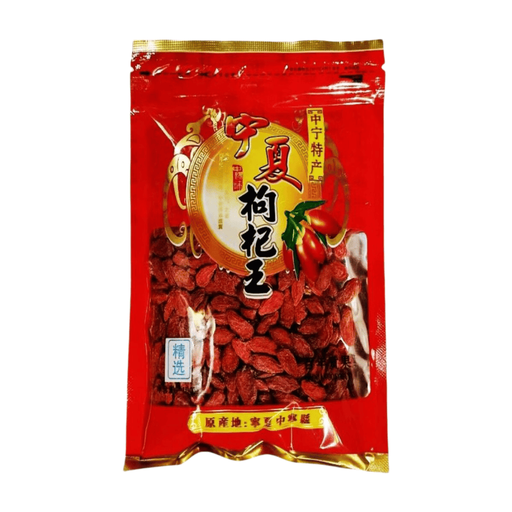 Image unavailable
Ningxia goji berries, 100 g
If you’re considering goji berries for a planned portion, check the sugar and carbohydrate content on the pack before deciding how much to have.
Goji berries; 100 g pack.
View at Joybuy
Frequently asked questions
Are low-fat dried fruit products automatically a good choice if you have diabetes?
No. A low fat figure doesn’t tell you how much carbohydrate or sugar a product contains. EDEKA lists GUT&GÜNSTIG prunes as containing 0 g of fat, but 66 g of carbohydrates and 42 g of sugar per 100 g. Your planned portion size matters too.
Can I eat dried fruit with no added sugar without planning my portion?
“No added sugar” doesn’t mean “sugar-free”. Naturally occurring sugar is included in the nutrition information too, so check the carbohydrates and sugar for the amount you plan to eat.
What role do carbohydrates play if I have insulin-dependent diabetes?
You need to factor the carbohydrates in dried fruit into your personal plan. diabetesDE explains that people with insulin-dependent diabetes calculate the carbohydrate content of their food to work out their insulin dose; the specific approach depends on their individual treatment plan.
When is unsulphured dried fruit relevant?
A clearly labelled unsulphured variety is relevant if you need or want to avoid sulphur dioxide or sulphites. Check the ingredients and allergen information on the pack; “unsulphured” doesn’t mean the fruit contains less sugar or fewer carbohydrates.


