A larger pack of classic dried fruit is a good choice if you can portion it out for several hikes and use it up after opening. To see whether it offers better value than a smaller pack, compare the unit price for the same type of fruit and processing method. If you fancy a crunchy snack, freeze-dried fruit is another option, although the North Rhine-Westphalia consumer advice centre notes that it is relatively expensive.
Who should think carefully about their choice?
Households planning several hikes
If you’re catering for several people from the same pack, the amount it contains and its unit price are important, as is how you’ll store any fruit left after opening. REWE’s displayed prices depend on the location you select, so compare the specific offer rather than looking at pack size alone.
Hikers heading out on longer or more strenuous routes
If you want an easy-to-eat snack to take with you, you can portion out some dried fruit before setting off. The German Alpine Club gives a handful of dried fruit as an example of a readily available source of carbohydrates during physical activity. Plan drinks and the rest of your hiking provisions separately.
People with specific ingredient requirements
If you’re concerned about added sugar, sulphur dioxide or other ingredients, check the label on the specific pack. A brand’s range may include products with different recipes, so check the ingredients list and allergen information for your chosen variety, especially with fruit mixes.
What should you look for when buying?
First decide whether you want to portion out snacks yourself for several hikes or take a smaller pack with a particular texture. Then compare the ingredients and pack size, and consider how you’ll store what’s left once the pack is open.
| Criterion |
What to check when buying |
Who it matters most to |
| Snacks for longer hikes |
Choose ready-to-eat fruit that’s easy to portion for your hike; plan drinks separately from your snacks. |
On a longer or more strenuous hike, I want a small snack close to hand without confusing it with the rest of my provisions. This is the main priority for around 27% of consumers. |
| Pack size |
For the same type of fruit and processing method, compare the pack size and unit price; choose an amount you can use up after opening. |
For several trips or people, I don’t want to buy a new pack every time, but I don’t want leftovers going to waste either. This is the main concern for around 33% of consumers. |
| Ingredients and allergens |
Check the ingredients list, allergen information and nutritional values for the specific variety; don’t assume “no added sugar” means “sugar-free”. |
If I need to avoid certain additives or sulphites, the ingredients matter more to me than the size of the bag. Around 20% of consumers put this check first. |
| Texture and storage |
Choose between traditionally dried and freeze-dried fruit; check the pack’s closure and storage instructions. |
I want to take the texture I prefer in my rucksack and be able to seal the rest of the pack properly at home. Around 20% of consumers make this their main priority. |
Common buying mistakes
-
Assuming a bigger pack is automatically cheaper
A larger pack doesn’t necessarily have a lower unit price. REWE’s displayed prices also depend on the location you select.
Compare unit prices only for products with as similar a fruit type, ingredients list and processing method as possible. Also consider how much your household will actually use after opening.
-
Confusing “no added sugar” with “sugar-free”
Dried fruit contains naturally occurring fruit sugars, even when no sugar has been added. The North Rhine-Westphalia consumer advice centre says dried fruit often contains 50 to 70% sugar; the amount varies by fruit and product.
Read the nutritional information and ingredients list together. For your hike, you can portion out what you need instead of taking the whole value pack.
-
Choosing a fruit mix based only on the varieties it contains
Other ingredients may also affect your choice. In addition to fruit, EDEKA lists sulphur dioxide or sulphites, sunflower oil and potassium sorbate in one dried fruit mix.
Check the current ingredients list and allergen labelling on the specific pack. Colour and brand name are no substitute for this information.
-
Buying crunchy fruit as a regular store-cupboard staple
Freeze-dried fruit has a different texture from traditionally dried fruit. The North Rhine-Westphalia consumer advice centre describes it as relatively expensive.
If crunch matters to you, compare a smaller pack of freeze-dried fruit directly with traditional dried fruit. Only consider buying in bulk once you’ve checked the specific pack sizes and unit prices.
Brands to consider
Seeberger
Seeberger’s range includes individual dried fruit products in different pack sizes and with different processing methods, making them easy to compare.
- Seeberger sells mango in 100-g and 300-g packs, among other options, and also offers unsulphured apricots.
- Whether a particular variety and pack size is available for your shop depends on the offer.
REWE / REWE Bio / REWE Beste Wahl
The online range is a useful place to compare different dried fruit products and pack types.
- When shopping with a location selected, you can compare specific varieties side by side.
- REWE displays prices based on the location selected, so claims about savings apply only to the specific offers being compared.
EDEKA Herzstücke
The documented dried fruit mix is an option if you’re looking for several types of fruit in one pack.
- EDEKA describes a 250-g mix of five types of fruit in a resealable bag.
- This product also lists sulphur dioxide or sulphites, sunflower oil and potassium sorbate. Check the current packaging of the mix you choose.
Alesto
Lidl’s Alesto brand offers nuts, dried fruit and snack mixes.
- In the range described, you can look for plain dried fruit or mixes with nuts.
- Check the pack size, ingredients and unit price for each individual product; the brand name alone won’t tell you these details.
Dried fruit at Joybuy
This selection includes a larger pack of jujubes to portion out yourself, as well as two smaller packs of fruit. When comparing them as hiking snacks, look beyond the pack size to the ingredients and the unit price of the specific offer.
 No image available
Haoxiangni Grade A No-Wash Jujubes, 500 g
The 500-g pack could be a good choice if you’d like to portion out snacks for several hikes.
Before buying, check the unit price and whether you can store the opened pack easily enough for your needs.
View at Joybuy
 No image available
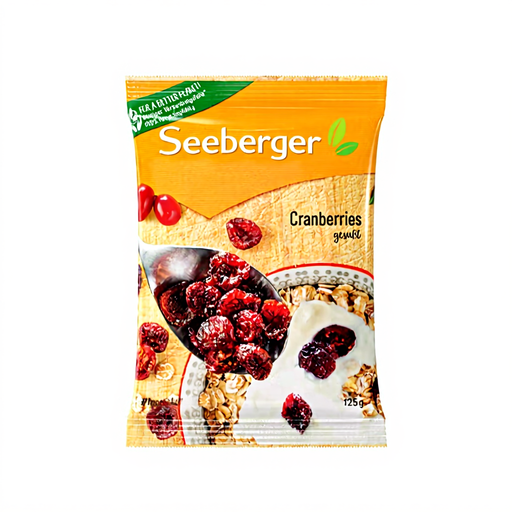
Seeberger Sweetened Dried Cranberries, 125 g
The 125-g pack is a smaller option if you’re looking for sweetened cranberries to take with you.
The information for this variety also lists sunflower oil. If the ingredients matter to you, check the current ingredients list and nutritional information. To see whether buying in bulk could save you money, compare the unit price.
View at Joybuy
 No image available
Seeberger Soft Dried Mango Slices, 100 g
The 100-g pack is a good option if you’re looking for a smaller amount of soft-dried mango slices.
The information for this variety indicates that it contains sodium metabisulphite. If you’re sensitive to sulphites, check the current ingredients list and allergen labelling. The unit price is also important when comparing larger packs.
View at Joybuy
Frequently asked questions
Are dried fruit enough to keep you going on a hike?
Dried fruit can make a good snack, but you’ll still need to plan for drinks and other provisions. The German Alpine Club gives a handful of dried fruit as an example of a readily available source of carbohydrates during physical activity.
Is dried fruit with no added sugar sugar-free?
No. Fruit contains naturally occurring sugars, even when no sugar has been added. The North Rhine-Westphalia consumer advice centre says dried fruit often contains 50 to 70% sugar; check the ingredients list and nutritional information for the pack you choose.
How can I tell if dried fruit contains sulphur dioxide or sulphites?
Check the ingredients list and allergen labelling on the specific pack. One dried fruit mix described by EDEKA explicitly lists sulphur dioxide and sulphites; this doesn’t mean other varieties or products contain them.
How should I store an opened value pack?
Seal the pack securely once opened and follow the storage instructions on the packaging. EDEKA recommends storing dried apricots in a cool, dry place; instructions may vary from product to product.


