Those who portion snacks for day hikes
You prepare snacks for several walks and decant the amount you need from a larger pack into small containers.


For hiking breaks, several individually wrapped portions are handy if you want to share dried fruit between lunchboxes or fellow walkers without repacking it. If you regularly prepare your own snacks, a larger resealable pack gives you more flexibility over portion sizes. Whichever format you choose, check the ingredients, sugar content and allergen information, especially for fruit and nut mixes.
You prepare snacks for several walks and decant the amount you need from a larger pack into small containers.
You want to share dried fruit between separate lunchboxes or several people. With mixed products, you’ll need to know exactly what’s in each portion.
You compare products by their ingredients and nutritional information, perhaps because of added sweeteners, sulphur dioxide, sulphites or listed allergens.
First decide whether you need separate packs for eating on the go or would rather portion the snacks yourself before setting off. Then check the fruit and ingredients.
| What to consider | What to check | Who it matters to |
|---|---|---|
| Portions and sharing | Does the pack state how many individually sealed bags it contains, or is it a single bag for you to portion yourself? | If I’m sharing snacks between children or fellow walkers, I want to separate the portions beforehand. This is the main priority for around 30% of consumers. |
| A snack for hiking breaks | Compare the portion size and sugar content per 100 g, and plan your drinks separately from your snack. | For a break on a walk, I’m looking for a handy carbohydrate-rich snack that I can take with me without any preparation. This is the main concern for around 30% of consumers; the German Alpine Club lists dried fruit as one possible snack for eating on the go. |
| Ingredients and allergens | Read the ingredients list for each product. For mixed products, pay particular attention to sulphur dioxide, sulphites and tree nuts. | Before sharing a fruit mix, I want to know what it contains. Around 20% of consumers put this check first. |
| Buying in bulk and preparation | Check the pack weight and closure, as well as the storage instructions for after opening. | If I’m preparing snacks for several walks, I want to measure out the amounts I need myself. This kind of planning is the priority for around 20% of consumers. |
A large pack weight doesn’t mean it contains several individually wrapped snacks. If you want separate portions for lunchboxes, you’ll need to divide the contents of a single bag yourself.
Look on the pack for the number of inner bags. If it lists just one bag, take suitable containers with you on your walk.
Dried fruit contains natural sugars, even when no sugar has been added. The North Rhine-Westphalia Consumer Advice Centre points out that drying fruit removes water, which can make the sugar content high.
Compare the sugar content per 100 g and check the ingredients list, rather than relying on a claim on the front of the pack.
Fruit and nut-and-fruit mixes can contain different ingredients and allergens. Information about sulphur dioxide or sulphites isn’t necessarily shown on the front of the pack, as Lebensmittelklarheit explains using sulphited sultanas as an example.
Read the full ingredients list and allergen information for each variety before sharing portions with others.
Seeberger offers individual dried fruits in various pack sizes, as well as fruit mixes.
REWE lists dried fruit and fruit mixes from various brands, including a 25 g freeze-dried fruit mix from REWE Beste Wahl.
According to Lidl, Alesto includes nuts, dried fruit and snack mixes.
For its exotic dried mango, ALDI SÜD describes a 125 g resealable pack.
EDEKA lists a 750 g pack of sweetened tropical fruit mix from GUT&GÜNSTIG, giving you a larger pack to portion yourself.
This selection includes a pack with small inner bags, as well as several fruit and mixed snack sets for sharing. Not every set consists solely of dried fruit or contains small portions for individual hiking breaks.
 No image available
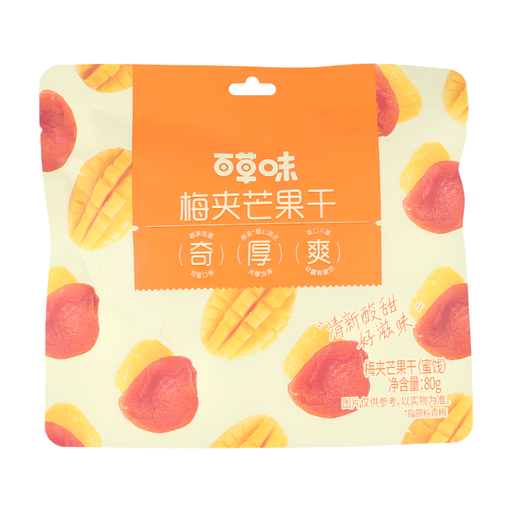
The separate bags are worth considering if you want to share snacks without having to portion them yourself.
The 80 g refers to the whole pack, so check the amount in each inner bag when planning your breaks. The product information lists added sugar and 8.3 g of salt per 100 g.
 No image available
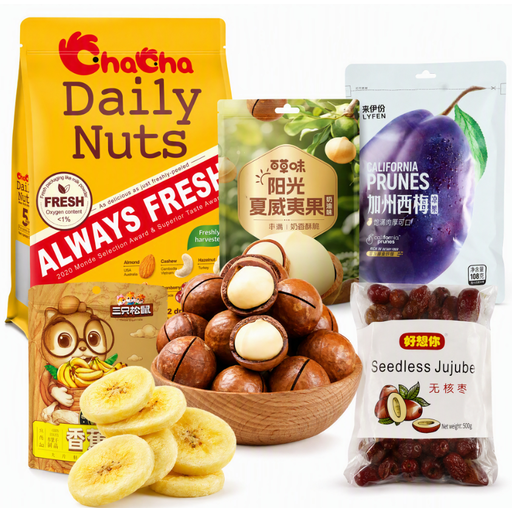
This set could suit groups who want to share nut snacks as well as dried fruit.
The five products weigh 1.073 kg in total, but that doesn’t give you a set portion size for a hiking break. Check each pack and its allergen information, particularly for tree nuts.
 No image available
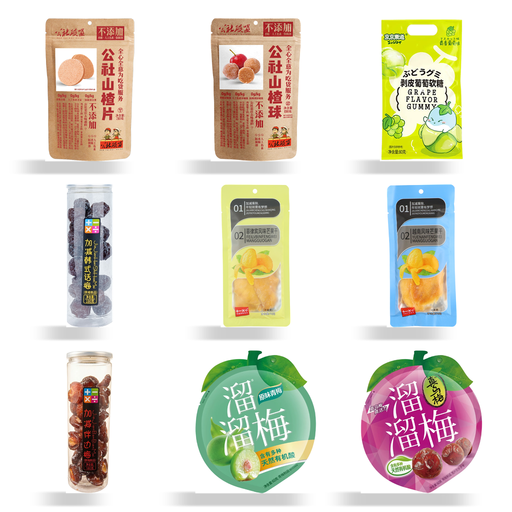
This set is better suited to sharing a variety of fruit snacks than to choosing dried fruit alone.
It also includes preserved fruit and jelly sweets. The product information lists sulphur dioxide or sulphites, so check the ingredients and nutritional information for each pack.
 No image available
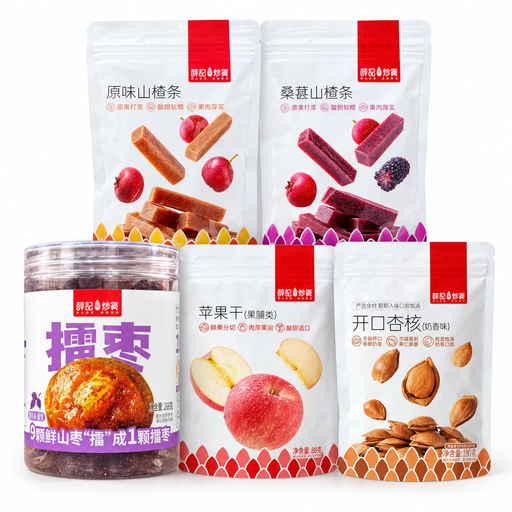
This assortment is an option for sharing a variety of snacks, but it isn’t a set made up exclusively of dried fruit.
It also includes candied or preserved products and apricot kernels. Check the information about sulphur dioxide or sulphites, along with the ingredients and nutritional information on each pack.
Dried fruit can be part of your provisions for a walk. The German Alpine Club lists it as a handy snack and an example of a source of readily available carbohydrates. Plan your drinks and the rest of your provisions for the walk separately.
No. Dried fruit contains natural sugars even when no sugar has been added. For the variety you choose, compare the sugar content per 100 g and read the ingredients list. The North Rhine-Westphalia Consumer Advice Centre highlights the high sugar content of many dried fruits.
Check the ingredients list and allergen information on the specific pack, not just the front. Lebensmittelklarheit explains that sulphited sultanas may be labelled as such in the ingredients list.
Before each walk, put the amount you’ve planned into clean, tightly sealed containers and reseal the rest of the pack according to the manufacturer’s instructions. Follow the storage and consumption guidance on the packaging.