For those prioritising protein
If the protein content is important for your late snack, compare the figures per 100 g. Plain dried fruit can provide the fruity element; for protein, it’s worth looking at other ingredients.


If protein is your priority for a late snack, plain dried fruit is better suited as a fruity addition than as your sole source of protein: ALDI SÜD lists 3 g of protein per 100 g for figs, while EDEKA lists 2.9 g per 100 g for prunes. A mix with nuts or seeds could change the balance, so check the nutritional information, sugar content, ingredients and portion size of the specific product.
If the protein content is important for your late snack, compare the figures per 100 g. Plain dried fruit can provide the fruity element; for protein, it’s worth looking at other ingredients.
If you fancy something fruity alongside savoury snack ingredients, dried fruit or a fruit and nut mix could fit the bill. Taste, ingredients and your planned portion matter more than any protein claim.
If you want to keep an eye on added sugar or sulphites, read the label on the specific dried fruit product. For marinated sun-dried tomatoes, it’s also worth comparing the salt content.
First decide whether you want the fruit to add flavour or whether you need the product to make a verifiable contribution to your protein intake. Then compare the nutritional information and ingredients on the specific pack.
| Criteria | What to check when buying | Who it matters to |
|---|---|---|
| Protein content | Compare protein and energy values per 100 g. A protein figure on its own doesn’t substantiate a claim such as ‘high protein’. | If protein is my priority for a late snack, I want to be able to check how much the product I’ve chosen contributes. For around 43% of consumers, this verifiable protein contribution would be the top priority. |
| Fruity addition | Compare sugar per 100 g and per planned portion; if the product is sweetened, check the ingredients list too. | I want to add something fruity to my savoury snack without relying on dried fruit for protein. Around 29% of consumers would put fruity flavour first. |
| Ingredients and salt | Read the ingredients and allergen information; for marinated sun-dried tomatoes, compare the salt content per 100 g. | Sulphites, other ingredients or salt determine my choice, depending on the product I’m considering. For around 28% of consumers, checking this information would be their most important buying priority. |
The protein figures listed for individual dried fruits aren’t enough to determine whether a product can make a particular nutrition claim. Under EU Regulation (EC) No 1924/2006, a ‘high protein’ claim requires at least 20% of the food’s energy value to come from protein.
Check the protein and energy values for the specific product. If protein is the main priority for your snack, choose dried fruit as an addition to a suitable source of protein.
REWE describes dried fruit as a food with a concentrated sugar content. A figure per 100 g doesn’t tell you how much sugar is in the portion you actually plan to eat.
Compare the nutritional information per 100 g and work out what it means for your planned portion.
Sulphites may be relevant when choosing dried fruit. EDEKA lists 3.6 g of salt per 100 g for one product containing marinated sun-dried tomatoes; this figure can’t be applied to other tomato products.
Check the ingredients and allergen information for dried fruit. For marinated tomatoes, also compare the salt figure on the specific pack.
Seeberger sells dried fruit as well as mixes of nuts and dried fruit.
REWE provides information about dried fruit and how it can be used as a food.
EDEKA sells products including prunes and marinated sun-dried tomatoes.
Lidl describes Alesto as a brand of nuts, dried fruit and snacks.
ALDI SÜD lists figs as a dried fruit product in a 200-g pack.
Lidl describes Solevita as a brand of fruit juices, nectars, spritzers and tea drinks.
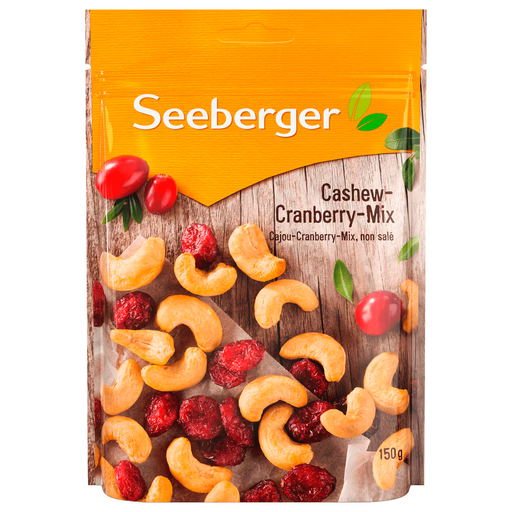
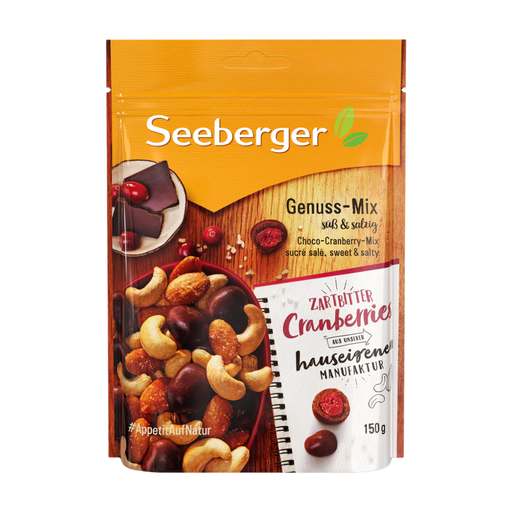
These two mixes combine fruit and nuts for a late snack. They aren’t plain dried fruit; if protein is your main priority, compare the nutritional information on each pack.
 No image available
A fruit and nut mix if you’d like to combine cranberries with cashews for a snack. The pack contains 150 g; if protein is a priority, check the nutritional information and note that it contains cashews.
 No image available
A nut and fruit mix for anyone looking for a combination snack rather than plain dried fruit. The pack contains 150 g; check the ingredients, allergen information and nutritional details before buying.
Under EU Regulation (EC) No 1924/2006, at least 20% of a food’s energy value must come from protein for it to carry a ‘high protein’ claim. That’s why the number of grams of protein per 100 g isn’t enough on its own to assess this claim.
Based on the examples above, it’s better to think of dried fruit as a fruity addition: ALDI SÜD lists 3 g of protein per 100 g for figs, and EDEKA lists 2.9 g per 100 g for prunes. To get the protein you’re looking for, also compare the other ingredients in your snack.
Check the ingredients list and allergen information for sulphur dioxide or sulphites. That way, you can choose based on the product’s actual labelling rather than guessing the ingredients from how the fruit looks.
Store it according to the instructions on the pack; REWE recommends keeping dried fruit in a cool, dry, dark place. For softer or processed products in particular, follow the instructions from the manufacturer.