Dried fruit is better suited as a compact source of carbohydrates for longer runs than as an inherently low-calorie snack. REWE gives a figure of 270 to 300 kcal per 100 g for dried fruit, so if you’re looking for a calorie-conscious snack, check the specific nutritional information and portion size. If you want to eat it during a run, try the type, amount and timing in training first.
What matters for different runners
Calorie-conscious training snackers
If you want to take something sweet with you to eat between training sessions, what matters is the energy in the portion you actually eat. Dried fruit is easy to weigh out, but its energy content is concentrated because the water has been removed, as REWE explains.
Runners preparing for long sessions
If you’re looking for a compact source of carbohydrates for a long or intense run, dried fruit could be an option. The German Nutrition Society describes carbohydrates as an important source of energy in sport; you should try the specific variety during training to see if it works for you on the move.
Runners with sensitive stomachs
If you don’t tolerate larger portions of dried fruit well, or need to be mindful of sulphites, it’s especially important to try a small amount first and check the information on the specific pack. EDEKA points out that eating too much dried fruit can cause digestive problems.
What to look for when choosing
First decide whether you’re looking for a portion-sized snack between sessions or compact energy for a long run. If a larger snack with lower energy density is your main priority, compare dried fruit with fresh fruit too.
| Criteria |
What to check when buying |
Who it matters to |
| Energy and portion size |
Compare the kcal per 100 g using the same basis, and take into account how much you plan to eat. |
Between training sessions, I want something sweet without underestimating the energy in my snack portion. Portion control is a priority for around 27% of consumers. |
| Carbohydrates for long runs |
Check the carbohydrate content per 100 g and whether you can carry your planned portion with you. |
For a long run, I want a compact source of carbohydrates to take with me. This is the main reason to buy for around 33% of consumers. |
| How it sits during a run |
Compare the fibre content, if listed, and try the variety, amount and timing before race day. |
While running, I don’t want to try a new variety or an unusually large portion of dried fruit, as it could upset my stomach. Around 27% of consumers put how well a product agrees with them first. |
| Ingredients and sulphites |
Read the ingredients list and, if you’re sensitive to them, look for labelling for sulphur dioxide or sulphites. |
I want to know whether the variety I’ve chosen contains any additional ingredients and whether I need to check for sulphites. This check takes priority for around 13% of consumers. |
Common buying and usage mistakes
-
Assuming dried fruit is low in calories just because it’s fruit
Removing the water concentrates the energy. REWE gives a figure of 270 to 300 kcal per 100 g for dried fruit; when you eat straight from the bag, it’s easy to lose track of how much you’ve had.
Compare the nutritional information on the specific pack and decide on your snack portion in advance.
-
Trying a new variety for the first time on race day
EDEKA points out that eating too much dried fruit can cause bloating and have a laxative effect. You can’t tell from a variety’s name alone whether it will agree with you while running.
Try the variety, amount and timing during a similar training session first.
-
Assuming all versions of a fruit have the same ingredients
Seeberger, for example, sells both unsweetened and sweetened varieties. The name of the fruit alone won’t tell you what else is in the pack.
Read the ingredients list for each variety and, if you’re sensitive to sulphites, check the relevant labelling.
-
Confusing dried fruit with a hydration strategy
A portion of dried fruit can contribute to your energy intake, but it doesn’t replace a drink. The German Nutrition Society points out that drinking too little or too much fluid during sport can cause problems.
Plan your food and drink separately, and try both under similar training conditions.
Brands and ranges to consider
Seeberger
Seeberger sells a range of dried fruit, including dates, apricots, mangoes and plums.
- The range makes it easy to compare different types of fruit and preparations.
- As sweetened varieties are also available, check the information on the specific pack to find out what it contains.
REWE Bio / REWE Beste Wahl
These REWE own-label ranges include sultanas, apple crisps and freeze-dried strawberries.
- The different processing methods and pack sizes give you useful points of comparison.
- Only the nutritional information for the specific variety will tell you whether it suits your planned portion.
FARMER NATURALS bei ALDI SÜD
ALDI SÜD’s FARMER NATURALS range includes dried plums and exotic dried fruit.
- For its listed dried plums, ALDI SÜD gives figures of 221 kcal and 16 g of fibre per 100 g.
- ALDI SÜD notes that products may vary between suppliers. Use the nutritional information on the specific pack when comparing products.
TRADER JOE'S bei ALDI Nord
ALDI Nord’s TRADER JOE'S own-label range includes nuts and dried fruit.
- You can compare different dried fruit products using the information on their packs.
- The brand name alone won’t tell you the energy content or ingredients of a particular variety.
EDEKA / GUT&GÜNSTIG
EDEKA provides information about dried fruit, with a range that varies by store.
- EDEKA explains why the removal of water matters when comparing portions of dried fruit.
- Check the pack information for a specific product and the range available at your store.
Portion-sized dried fruit snacks at Joybuy
These products are suitable if you’re looking to weigh out a portion of dried fruit to snack on between training sessions. Whether you want to eat them during a run too depends on their specific ingredients and how well you’ve tested that they agree with you.
 No image available
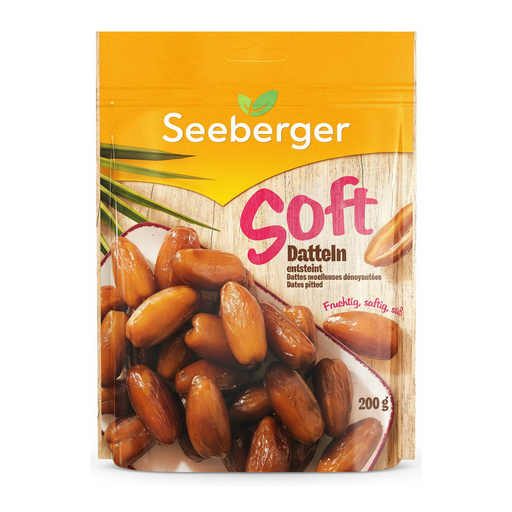
Seeberger Soft Deglet Nour Dates, 200 g
If you want to portion out dates as a snack between training sessions, you can weigh out the amount you want from the 200 g pack. Check the nutritional information on the pack, and try the portion and timing during training before eating them on a run.
View at Joybuy
 No image available
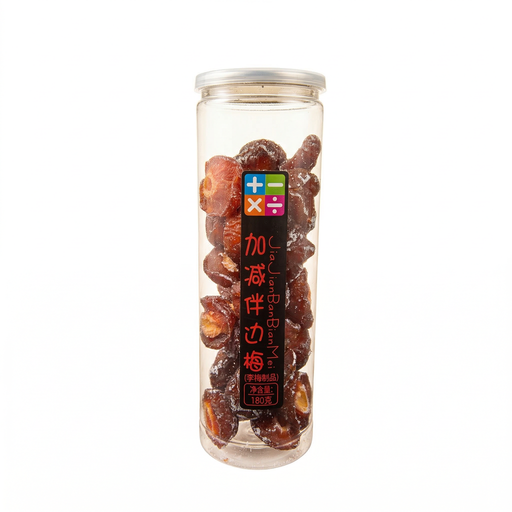
Jia Jian Cheng Chu Companion Plum, 180 g
If you’re considering a plum variety as a portion-sized snack, the 180 g pack gives you a starting point for weighing out a serving. As this variety is seasoned, check the ingredients list, salt content and nutritional information carefully before adding it to your training plan.
View at Joybuy
Frequently asked questions
Are dried fruits a low-calorie snack for marathon training?
Not necessarily: REWE gives a figure of 270 to 300 kcal per 100 g for dried fruit, while ALDI SÜD gives 221 kcal per 100 g for a specific dried plum product. Compare products on the same basis and take into account how much you actually plan to eat; the figure for one pack doesn’t automatically apply to all products made from the same type of fruit.
Can I eat dried fruit during a long training run?
Dried fruit could be a compact source of carbohydrates if the variety and amount you choose agree with you while running. The German Nutrition Society describes carbohydrates as an important source of energy in sport, while EDEKA notes that eating too much dried fruit can cause digestive problems. Try the portion during training before race day, and plan your drinks separately.
How can I tell if ingredients have been added or if dried fruit has been treated with sulphur?
Check the ingredients list and labelling on the specific pack rather than relying on the name of the fruit alone. REWE notes that dried fruit treated with sulphur must be labelled; if sulphites are a concern for you, look specifically for information about sulphur dioxide and sulphites.


