Small individual packs are a handy choice for a nursery lunchbox if you don’t want to decant anything in the morning. If you’re preparing several lunchboxes, you can portion dried fruit at home from a larger pack instead. Check the amount in each bag, the ingredients and nutritional information, and whether it contains sulphites or nuts. Even when a product contains fruit alone, its sugar content is worth considering when deciding on a portion.
Which format suits you?
Parents who don’t want to decant in the morning
Small, individually wrapped portions are handy for a daily lunchbox when you want to pack each portion straight away. Mini snack boxes and small fruit bags are examples of this format, but it’s still important to check the weight of each one.
Families preparing several lunchboxes
If you regularly prepare several portions, you can divide a larger bag at home. This lets you decide how much goes into each lunchbox, but a bulk pack isn’t the same as a multipack of individual portions.
Parents who pay particular attention to ingredients
If sulphites, other ingredients or nuts affect your choice, check the packaging for each variety separately. The sugar content also matters with dried fruit, even when fruit is the only ingredient listed.
What to look for when buying
First decide whether you want to put a portion straight into the lunchbox or portion it yourself at home. Then check the information for the specific type of fruit.
| What to consider |
What to check when buying |
Who it matters most to |
| Portion size |
Weight of each individual bag and number of bags; for a larger pack, the amount you’ll need to portion yourself. |
If there’s little time in the morning, I want a clearly defined amount that I can pack straight away. Around 36% of consumers prioritise this portion format. |
| Ingredients and sugar |
Compare the ingredients list and sugar per 100 g; don’t assume that “no added sugar” means “low in sugar”. |
If I’m looking for a variety with a straightforward ingredients list, I also want to be able to assess its sugar content. Around 29% of consumers prioritise this. |
| Bulk packs and portioning |
Total quantity, number and size of individual bags, and storage instructions after opening. |
For several lunchboxes, I want to portion a pack gradually rather than buy every portion individually wrapped. This is the main reason for buying for around 21% of consumers. |
| Sulphites, nuts and pieces |
Ingredients and allergen information, whether it may contain nuts, piece size and nursery rules. |
If my child needs to avoid a particular ingredient or the pieces need to be chosen carefully, this check comes first. Around 14% of consumers put these questions first. |
The North Rhine-Westphalia Consumer Advice Centre points out that drying fruit also concentrates its sugar. So when choosing dried fruit for a lunchbox, it’s worth checking the nutritional information for that variety, not just the claims on the front of the pack. Lebensmittelklarheit also explains that “no added sugar” doesn’t automatically mean “low in sugar”.
Common misconceptions
-
“No added sugar” means low in sugar
Dried fruit can contain a lot of naturally occurring sugar, even if no sweetening ingredient has been added. Lebensmittelklarheit also notes that the claim “no added sugar” doesn’t answer every question about a product’s composition.
Read the ingredients list and compare the sugar content per 100 g. Decide separately how much to put in the lunchbox.
-
Every multipack contains ready-to-pack lunchbox portions
Six separate 100 g bags serve a different purpose from six small 15 g bags. You’ll still need to take the lunchbox portion out of a single larger bag.
Check the weight of each bag before choosing a multipack or a pack that you’ll portion yourself.
Individual bags mean more packaging; portioning the fruit yourself takes time when preparing lunchboxes.
-
Choosing a fruit mix based only on the types of fruit
Dried fruit may contain sulphites, and mixes may contain nuts. The German Federal Institute for Risk Assessment warns that nuts or pieces of nuts pose a particular risk of entering young children’s airways.
Check the ingredients and allergen information for each variety. If you’re considering a nut mix, also check your nursery’s rules and choose pieces that are suitable for your child’s eating situation.
-
Always choosing freeze-dried fruit
Freeze-dried fruit has a crunchy texture that sets it apart from many traditional dried fruits, but that doesn’t mean it’s always lower in sugar or suitable for every child.
Choose based on the texture you want, pack size and ingredients. Follow the storage instructions for any opened packs.
Brands to consider
Seeberger
The range includes traditional dried fruit and freeze-dried fruit in a variety of pack sizes.
- For example, Seeberger sells freeze-dried strawberries in 15 g packs and dates in several sizes up to 500 g.
- Check the specific variety: the range also includes sweetened fruit and nut and fruit products.
REWE Beste Wahl / REWE Bio
REWE’s range lets you compare traditional dried fruit and freeze-dried varieties using the information for each product.
- Examples listed include organic sultanas, mango strips and freeze-dried strawberries.
- Check the pack size, ingredients and availability at your local store for the product you’re considering.
EDEKA / EDEKA Herzstücke
EDEKA24 stocks traditional dried fruit, including products from the EDEKA Herzstücke range.
- The varieties listed include currants, mango strips and dates.
- These products aren’t a dedicated range for children, so check the ingredients, allergen information and pack size for each variety.
Freche Freunde
The brand also offers dried fruit in small formats, including raisins in mini snack boxes.
- Freche Freunde describes its mini snack boxes as handy for taking out and for a nursery lunchbox.
- Even when a product says “no added sugar”, the sugar content in the nutritional table is still relevant when choosing a portion.
NutriPur
The “Kleine Racker” option centres on a multipack of small bags of freeze-dried strawberries.
- The listed format contains six 15 g bags, making the amount in each one clear.
- Check the information on the specific pack too; the portion format alone doesn’t determine how much is right for a child.
Dried fruit to portion yourself at Joybuy
These are individual packs of dried fruit that you can portion at home for lunchboxes. None of the products here is a multipack of ready-portioned nursery snacks. When choosing, compare the type of fruit, pack size and information on the specific product.
 No image available
Seeberger Deglet Nour Pitted Dates, 500 g
This individual 500 g pack is worth considering if you want to portion dates at home for several lunchboxes; it doesn’t contain ready-portioned individual bags.
Check the nutritional information and your nursery’s rules when deciding how much to pack.
View at Joybuy
 No image available
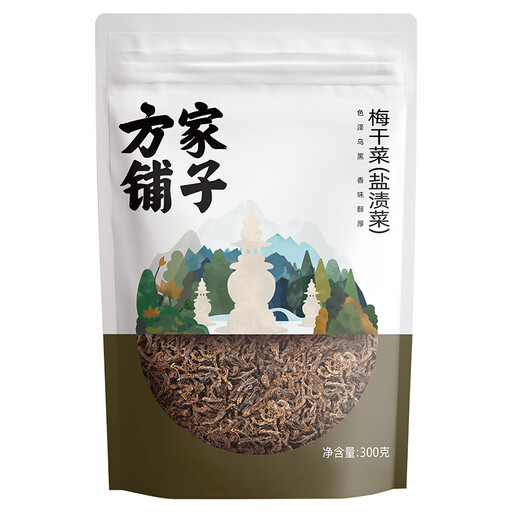
Fang Jia Pu Zi Red Dates (Jujubes), Pitted, 500 g
This individual 500 g pack can be portioned at home for several lunchboxes; it doesn’t contain separately wrapped nursery portions.
Read the ingredients and allergen information on the pack before adding any to a lunchbox.
View at Joybuy
 No image available
Seeberger Dried Apple Rings, 80 g
You can take apple rings from this individual 80 g pack for a lunchbox; it isn’t a multipack or a pack of pre-portioned servings.
For this variety, pay particular attention to sodium metabisulphite in the ingredients information.
View at Joybuy
 No image available
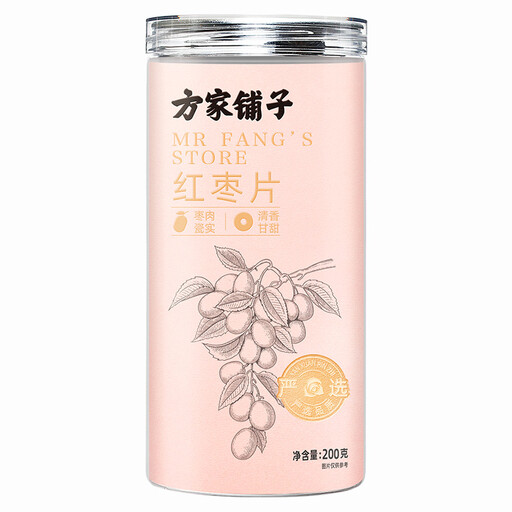
Fang Jia Puzi Dried Red Date Slices, 200 g
You can portion the pre-cut date slices from this individual 200 g pack at home; it doesn’t come with separate bags for individual lunchboxes.
Before packing, check the sugar content and whether the slices may contain pieces of stone.
View at Joybuy
 No image available
Haoxiangni Grade 2 Fresh-Locked Red Dates, Pitted, Original Flavour, 280 g
This individual 280 g pack can be portioned at home; you’ll need to take out a serving for the lunchbox yourself.
The product description notes that, despite being pitted, the dates may occasionally contain stone fragments. Check the pieces carefully before packing them.
View at Joybuy
Frequently asked questions
Does “no added sugar” mean dried fruit is low in sugar?
No. Dried fruit contains naturally occurring sugar, which becomes concentrated as the water is removed. The North Rhine-Westphalia Consumer Advice Centre recommends bearing this in mind when considering dried fruit. For the specific variety, compare the sugar content per 100 g and decide separately how much to put in the lunchbox.
When should I check dried fruit for sulphites?
If you need to avoid sulphites, check the information for every variety. According to the North Rhine-Westphalia Consumer Advice Centre, conventionally dried fruit may be treated with sulphur dioxide. Don’t rely on the fruit or brand name alone to tell you what’s in a particular pack.
Are nut and fruit mixes suitable for every nursery child?
No. The German Federal Institute for Risk Assessment highlights the increased risk of nuts or pieces of nuts entering young children’s airways. Before packing a mix, also check the ingredients and allergen information, as well as your nursery’s rules.
How should I store opened freeze-dried fruit?
Seal the opened pack tightly and follow the storage instructions for that product. This helps limit contact with moisture, which can affect the fruit’s crunchy texture.


