Dried fruit makes a sweet snack to take with you, but it isn’t automatically a high-protein choice. ALDI SÜD lists 2.8 g of protein per 100 g for its dried apricots, while REWE says its separately sold REWE Bio pumpkin seeds contain 35 g per 100 g. If protein is your priority, check the nutrition information for the specific products and, if you wish, pair the dried fruit with a separately chosen addition. Remember to check the sugar content, ingredients and allergen information too.
Who are dried fruit snacks at the festival suitable for?
Active people keeping an eye on protein
If protein matters to you during a long day at the festival or after a workout, compare the figures per 100 g. Dried fruit can be part of your snack, but whether it meets your protein target depends on the nutrition information for the specific product.
Anyone looking to take a sweet snack with them
Dried fruit can be a handy option for the journey, a break at the festival or the trip home. Even if you choose it instead of confectionery, check the sugar content and ingredients of the variety you pick.
Anyone with specific ingredient requirements
If you need to watch out for added sweeteners, sulphites or allergen warnings, check each pack individually. This is especially important if you’re adding seeds or nuts to your dried fruit.
What should you look for when buying?
Plain dried fruit
A good fit if: You want to take a dry, sweet snack to the festival and protein isn’t its main purpose.
Bear in mind: Dried fruit can contain a lot of sugar. For example, ALDI SÜD lists 2.8 g of protein per 100 g for its dried apricots.
Dried fruit with seeds
A good fit if: You want to choose dried fruit for its flavour and add a protein boost with seeds you’ve selected separately.
Bear in mind: Seeds aren’t dried fruit. REWE lists 35 g of protein, as well as 46 g of fat and 584 kcal per 100 g, for its organic pumpkin seeds.
First decide what role protein should play in your snack. Then compare the information on the specific packs. The proportions in the overview below indicate which concern is likely to be the top priority for each group of shoppers.
| What matters |
What to check |
Who it matters to |
| Protein content |
Compare protein and energy per 100 g; if combining products, consider your intended portion too. |
If I want to include protein in my snack after exercising or during a day at the festival, the label “dried fruit” isn’t enough to go on. Protein content is likely to be the main buying priority for around 45% of shoppers. |
| Sugar and ingredients |
Check the sugar per 100 g and the ingredients list for added sweeteners. |
Anyone who wants to snack on something sweet throughout the festival day will want to make an informed choice about the variety and quantity. Sugar and ingredients are likely to come first for around 36% of shoppers. |
| Portability and labelling |
Check the pack format and the sulphite and allergen information for the specific products. |
On the way to the festival, I want a snack that’s easy to carry and, if I have a known sensitivity, clear information about ingredients and possible traces. Practicality and labelling are likely to be the main concerns for around 19% of shoppers. |
Common buying mistakes
-
Assuming all dried fruit is a high-protein snack
The product category alone tells you little about its protein content. ALDI SÜD lists 2.8 g of protein per 100 g for its dried apricots, while REWE lists 35 g per 100 g for its organic pumpkin seeds. Seeds, however, are a different food category.
Check the protein figure per 100 g and choose an extra separately if protein is your main priority.
-
Assuming natural sweetness means low sugar
Dried fruit contains sugar even when no extra sweetener has been added. Seeberger also sells both unsweetened and sweetened dried fruit, so the brand name alone doesn’t tell you what’s in the product.
Compare the sugar per 100 g, read the ingredients list and think about how much you’ll want to eat while you’re out.
-
Overlooking sulphite and possible-trace warnings
For people with sensitivities, the labelling of sulphured fruit can be crucial. Seeds added to your snack may also carry possible-trace warnings; REWE lists possible traces of several allergens for its organic pumpkin seeds.
Check the ingredients and allergen information on each pack before combining dried fruit and seeds.
Brands to consider
Seeberger
Seeberger offers a range of dried fruit, including dates, apricots, mangoes and berry products.
- The range includes unsweetened fruit as well as sweetened varieties, making it easy to compare different ingredients lists.
- You can’t tell from the brand name whether a pack suits your sugar or protein preferences. Check the information for the variety you choose.
REWE Bio / REWE Beste Wahl
REWE sells dried fruit and seeds in separate product ranges. REWE Bio pumpkin seeds are one option to pair with dried fruit bought separately.
- REWE lists 35 g of protein per 100 g for its organic pumpkin seeds.
- For the same product, REWE lists 584 kcal and 46 g of fat per 100 g, as well as possible traces of tree nuts, peanuts, gluten, soya and sesame. These figures refer to pumpkin seeds, not dried fruit or all REWE products.
Alesto
Lidl describes Alesto as a brand offering nuts, dried fruit and other snacks.
- If you want to compare dried fruit with nuts or seeds, the brand offers different types of snacks.
- Sugar, salt and protein levels depend on the individual product. Compare the specific nutrition information rather than treating the brand as having one consistent nutritional profile.
NATURLIEBLINGE – KLEINE SCHÄTZ
ALDI SÜD’s product range includes dried apricots.
- For the apricots described by ALDI SÜD, the figures per 100 g are 2.8 g of protein, 54.5 g of sugar and 9.6 g of fibre.
- These figures apply to those apricots only, not necessarily to other dried fruit or suppliers. Check the labelling on the specific pack before buying.
Dried fruit and extras at Joybuy
These products offer three ways to snack around Oktoberfest: a fruit and nut mix, pumpkin seeds to pair separately, and dried mango as a fruit snack. Which one is right for you depends mainly on your protein priorities and the ingredients and nutrition information on each pack.
 No image available
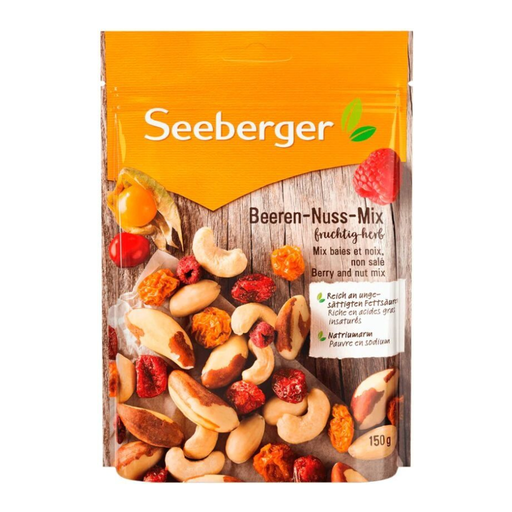
Seeberger Soft Berry & Roasted Nut Mix 150 g
An option if you’d like berries and nuts together in one snack. The pack contains 150 g. For this variety, pay particular attention to the ingredients list to check for sweetened berries and the tree nut labelling.
View at Joybuy
 No image available
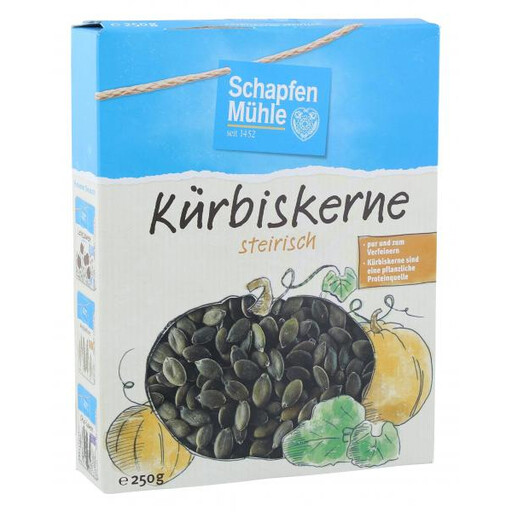
SchapfenMühle Styrian Pumpkin Seeds 250 g
If you’d like to pair dried fruit with seeds yourself, this 250 g pack can be added separately. Pumpkin seeds aren’t dried fruit. As well as protein, compare the fat and energy per 100 g, and check for possible traces of gluten and sesame.
View at Joybuy
 No image available
Seeberger Soft Dried Mango Strips 100 g
These dried mango strips are one option for a fruit snack without separately selected seeds; the pack contains 100 g. If protein is your main priority, compare the protein per 100 g and check the sulphite labelling if you have a sensitivity.
View at Joybuy
Frequently asked questions
Is dried fruit automatically high in protein?
No, you can’t tell that from the dried fruit category alone. ALDI SÜD lists 2.8 g of protein per 100 g for its dried apricots. Check the nutrition information on the specific pack and choose an extra separately if protein is a priority for your snack.
What should I look for in the sugar content of dried fruit?
Compare the sugar per 100 g and read the ingredients list, as dried fruit contains sugar even without added sweeteners. REWE describes dried fruit as a food with a concentrated sugar content; Seeberger also offers both sweetened and unsweetened varieties.
How can I check whether dried fruit is sulphured?
Check the ingredients and allergen information on the specific pack. If you’re sensitive to sulphites, don’t rely on the fruit’s colour, type or brand alone to decide whether it’s suitable.
How should I store opened dried fruit over several days at the festival?
Seal the pack well and store the dried fruit in a cool, dry, dark place, as REWE recommends for opened dried fruit. Also follow the storage instructions and best-before date on your pack.


