Hosts planning quantities
If you’re catering for several children, you’ll need a pack size that gives you enough for the portions you have planned. Planning what to do with any leftovers is also part of working out quantities.


For a larger group of children, a bigger pack of one type of dried fruit is a practical starting point, as long as you can divide it up easily. Before serving, check the ingredients and allergen information on the pack you’ve bought, and confirm any individual requirements with parents. Small packs of freeze-dried fruit are better suited as an addition to the amount you’ve planned overall.
If you’re catering for several children, you’ll need a pack size that gives you enough for the portions you have planned. Planning what to do with any leftovers is also part of working out quantities.
When catering for a group of children, it’s important to check the information on the specific pack. This includes the ingredients, sugar content in the nutritional information, declared allergens and, where applicable, may contain warnings.
You’d like to put together an easy-to-navigate snack platter and decide whether one larger pack of a classic variety will be enough, or whether to add smaller packs of other types of fruit.
Start by working out the total amount you’ll need. Then choose the varieties and serving format so you can check the information for all the children you’ve invited.
| Criterion | What to check when buying | Who it matters most to |
|---|---|---|
| Quantity and pack size | Compare the pack weight with the portions you’ve planned and consider how you’ll store any leftovers. | If lots of children are joining in, I don’t want to have to plan around several unsuitable small packs. Getting the quantity right is likely to be the main priority for around 40% of consumers. |
| Ingredients and allergens | Read the ingredients list, sugar content per 100 g, declared allergens and, where applicable, may contain warnings on the pack. | If families need to avoid certain ingredients, I need a clear choice rather than an unchecked mix. This check is likely to come first for around 30% of consumers. |
| Varieties and serving | Consider the type of fruit, whether it’s pitted, and how you can serve small portions separately. | For a varied snack platter, I want to offer the different varieties clearly and tailor the portions to the children. This would be the main concern for around 30% of consumers. |
A small speciality pack may only stretch to a few servings. For example, Seeberger offers freeze-dried strawberries in 15 g packs and raspberries in 12 g packs, as well as classic dried fruit in 500 g packs.
Add up the weights of the varieties you want to serve to work out the total amount you need before choosing your packs.
Dried fruit can contain naturally occurring sugar even when no sugar has been added. Lidl makes this distinction clear for its Alesto mango strips.
Check the ingredients list and the sugar content per 100 g on the pack you’ve bought.
EDEKA Herzstücke’s Fruchtiges Mischobst lists sulphur dioxide and sulphites as allergens. A mix is no substitute for checking the individual ingredients and information on the pack.
Before the party, ask parents about any specific requirements, check the pack and, if needed, serve different varieties separately.
The variety and pack size available may depend on the store or delivery area you choose.
Check the specific product well before the party if your quantity planning depends on it.
Seeberger offers classic, soft and freeze-dried fruit. Some classic varieties are also listed in 500 g packs.
REWE’s dried fruit range includes own-label and branded products in a variety of types and pack sizes.
The range includes a 250 g pack of pitted Fruchtiges Mischobst (mixed dried fruit).
Lidl’s own-label range includes nuts and other snacks as well as dried fruit.
At ALDI SÜD, FARMER NATURALS offers dried fruit and nut products, including a 125 g mango option.
These single-variety options and pack formats may suit you if you want to portion out dried fruit yourself for a group of children. Match the quantity, type of fruit and pack information to the children you’ve invited.
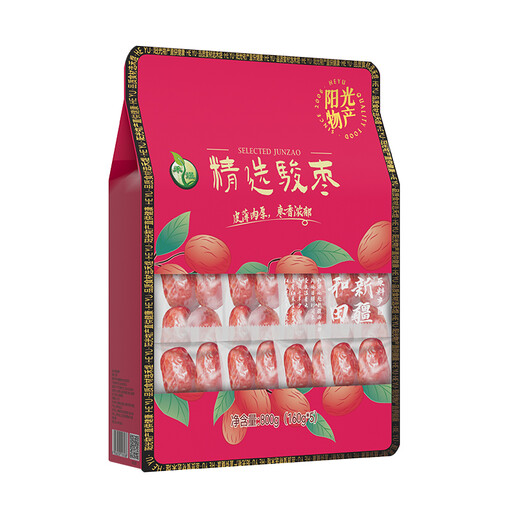 No image available
The five packs can be planned individually for a larger group. The product title gives a total weight of 800 g. Before serving, check the pack to see whether the fruit contains stones, and take the children’s age and chewing ability into account.
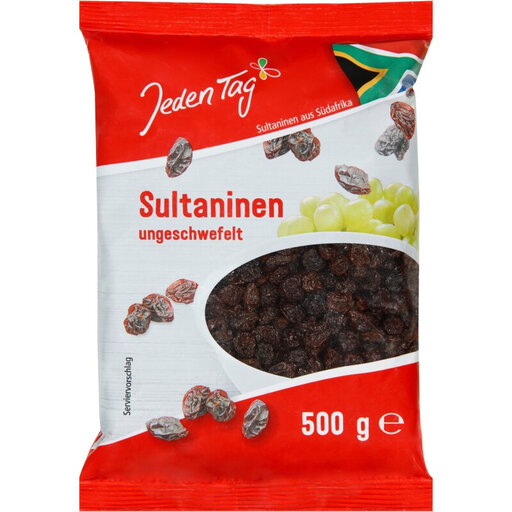 No image available
This 500 g pack of a single variety can be portioned out for several guests. Tailor the portions to the children’s ages and check the ingredients and allergen information before serving.
 No image available
According to the product title, this 500 g pack contains one variety of soft, pitted dried plums for you to portion out. When serving, bear in mind that stones or stone fragments may still be present, despite the pitted description.
 No image available
This 280 g pack is a smaller single-variety option if you plan the quantity you need accordingly. The product title describes the red dates as pitted; check the pack information and the fruit itself before serving it to children.
Read the ingredients list on the pack you’ve bought and compare it with the sugar content per 100 g in the nutritional information. “No added sugar” doesn’t mean “sugar-free”: Lidl, for example, notes that its Alesto mango strips contain naturally occurring sugar.
Check all the ingredients and allergen information on the pack, and ask parents about any individual requirements in advance. EDEKA Herzstücke’s Fruchtiges Mischobst, for example, lists sulphur dioxide and sulphites as allergens. This information shouldn’t be assumed to apply to other mixes.
It depends on the total quantity you’re planning. Seeberger, for example, offers freeze-dried strawberries in 15 g packs and raspberries in 12 g packs. Before shopping, work out how many packs you’d need for your guests.
Arrange the varieties clearly in portions, taking the children’s ages, chewing ability and any individual requirements from their parents into account. In particular, if fruit is described as pitted, check before serving whether stones or stone fragments may still be present.