Travellers focused on protein
If you want to make sure your snack contains protein after exercise or during a journey, compare the nutrition information for dried fruit and seeds. Fruity flavour alone tells you nothing about the protein content.


If protein is your main reason for choosing a road-trip snack, plain dried fruit may not be the best choice: REWE lists 3.2 g of protein per 100 g for its mountain figs, compared with 35 g for its organic pumpkin seeds. If you’re mainly after fruity flavour, choose dried fruit or pair it with seeds. To make your choice, check the nutrition information for the portion you’ll actually eat, as well as the ingredients and allergen advice.
If you want to make sure your snack contains protein after exercise or during a journey, compare the nutrition information for dried fruit and seeds. Fruity flavour alone tells you nothing about the protein content.
If you’re looking for dried fruit with a short ingredients list, check the details on the specific pack. ‘No added sugar’ doesn’t tell you how much sugar the fruit contains in total.
If you want to prepare small portions for a long journey, check the protein, sugar and energy values per 100 g and for the amount you’ll actually take with you.
Dried fruit and seeds suit different preferences. First decide whether fruity flavour or protein matters more for your snack.
A good choice if: You want a fruity snack on the go and protein isn’t your main priority.
The trade-off: Fruity flavour and a recipe with no added sugar don’t, by themselves, mean the product is high in protein.
A good choice if: You want to prioritise the protein content of your snack portion.
The trade-off: According to REWE, the pumpkin seeds reviewed also contain more fat and energy per 100 g than the mountain figs reviewed, and don’t have a fruity flavour.
A good choice if: You want to combine fruity flavour with a portion of seeds.
The trade-off: Whether the mix fits your protein target depends on the amounts of each ingredient.
| What to consider | What to check | Who it matters to |
|---|---|---|
| Protein content | Compare protein and energy per 100 g, as well as protein per planned portion. Lebensmittelklarheit explains that a ‘high protein’ claim requires at least 20% of the energy value to come from protein. | After exercise, I want to know how much protein is actually in the snack I’ve brought with me. For around 50% of consumers, protein is the top priority. |
| Fruit and ingredients | Check the ingredients list and any information about added sugar on the specific pack. Also look at the sugar content per 100 g. | On a journey, I mainly want to eat dried fruit with ingredients I can understand. This is the main concern for around 30% of consumers. |
| Portion size | Check the energy, sugar and fat per 100 g, then work out the values for the snack portion you’re planning to eat. | For a long journey, I want to pack an amount with nutrition information I can make sense of. Around 20% of consumers focus primarily on planning their portions. |
REWE lists 3.2 g of protein and 287 kcal per 100 g for its mountain figs. That means protein provides around 4.5% of the energy, which is below the 20% threshold for a ‘high protein’ claim explained by Lebensmittelklarheit.
If protein is a priority, compare the nutrition information for the specific dried fruit with that of seeds or other snacks, rather than deciding based on the product name alone.
Information about added sugar doesn’t tell you the total sugar content. REWE’s mountain figs contain 50 g of sugar per 100 g.
As well as reading the ingredients list, check the ‘of which sugars’ line in the nutrition information.
REWE lists 35 g of protein per 100 g for its organic pumpkin seeds, along with 584 kcal and 46 g of fat. For the stated 30 g portion, REWE gives 10.5 g of protein and 175 kcal.
Decide how much you want to take with you before setting off, then work out the nutrition values for that amount.
REWE warns that its mountain figs may contain traces of tree nuts and peanuts. Even with a fruit product, this information could affect your choice.
If you have allergies, check the ingredients and precautionary allergen advice on the specific pack you buy.
Fruit products and seeds for different snacking preferences.
Two specific products illustrate the difference between mountain figs and pumpkin seeds.
Another brand that sells dried fruit.
Lidl’s brand of nuts and dried fruit.
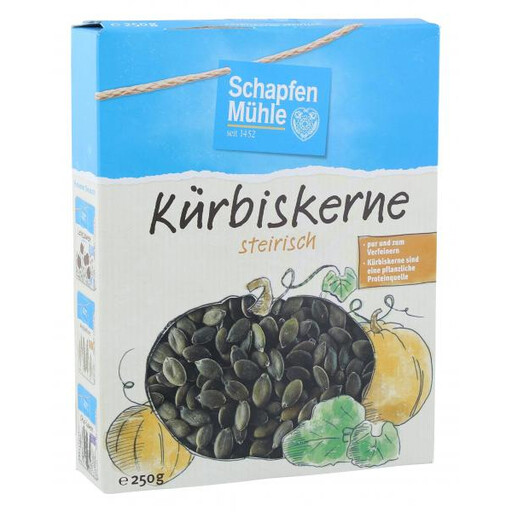
These pumpkin seeds are an option if you’re considering a seed-based road-trip snack instead of plain dried fruit. If protein is your priority, compare the nutrition information on the specific packs and plan the portion size you want.
 No image available
A seed option if you’re looking for an alternative to plain dried fruit for your road trip. Check the nutrition information on the pack and measure out the snack portion you want.
 No image available
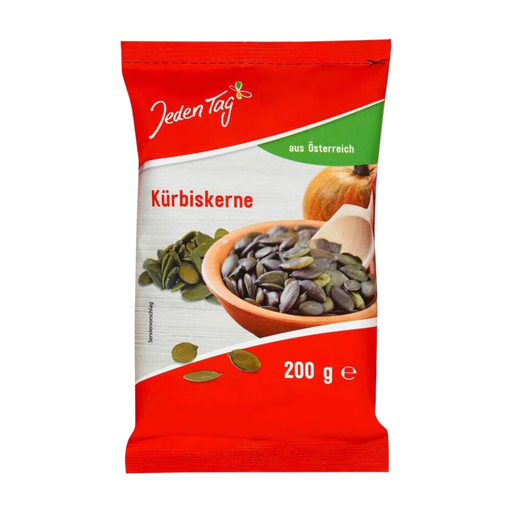
For a snack made with seeds rather than only dried fruit. The pack contains 200 g; use the nutrition information to work out the values for the amount you’re planning to take on your journey.
 No image available
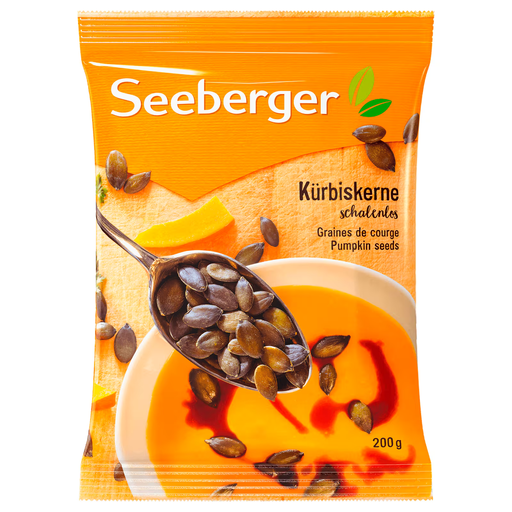
A shelled seed option for travellers who want to add seeds to their fruit snack or swap the fruit for seeds. Before buying, compare the nutrition information and allergen advice on the specific pack.
No. According to Lebensmittelklarheit, at least 20% of the energy value must come from protein for a ‘high protein’ claim. Based on the 3.2 g of protein and 287 kcal per 100 g listed by REWE for its mountain figs, protein accounts for around 4.5%.
If protein is your main priority, seeds are worth considering: REWE lists 10.5 g of protein per 30 g portion for its organic pumpkin seeds. If you’d also like some fruity flavour, add dried fruit and compare the nutrition information for the total amount you’re planning to eat.
First decide how much you want to take with you, then use the nutrition information to work out the values for that amount. As a specific example, REWE lists 10.5 g of protein and 175 kcal for 30 g of its organic pumpkin seeds. Other products will have their own values.
Yes, if allergens are relevant to your choice. REWE warns that its mountain figs may contain traces of tree nuts and peanuts, so check the information on the specific pack you buy.
No. Seeberger describes its premium figs as having no added sugar, but this doesn’t tell you the total sugar content. For example, REWE lists 50 g of sugar per 100 g for its mountain figs.