
Lieferung heute & morgen

Qualitätsgarantie

Willkommens-Angebote freischalten: KOSTENLOSE Lieferung | Bis zu 80 % RABATT | Kostenlose 30-Tage-JoyPlus-Testphase
App herunterladen
Whether you're a renter, student, or homeowner, you know the problem: you urgently need a place to hang towels, keys, or kitchen utensils, but reaching for a power drill isn't an option. The solution seems simple: drill-free hooks. The market offers a plethora of products, from adhesive hooks to suction cup systems. But the selection process is fraught with pitfalls. Many products fail to deliver on their promises and can ultimately cause more damage than a clean drill hole.
This guide highlights the most common pitfalls to avoid when buying and explains the technical parameters that truly matter for finding a reliable, damage-free solution for your home.
Before making a purchase, it's crucial to understand the typical weaknesses that often only become apparent after installation.
To avoid these problems, you should base your selection on three objective criteria.
The mounting method determines which surfaces a hook will reliably adhere to. A mismatch is the most common cause of failure.
The material is crucial for durability and the specific application.
Don't blindly trust the maximum load capacity stated on the packaging. As a rule of thumb: choose a hook whose stated maximum load capacity is at least double the weight of the item you plan to hang. This creates a safety buffer for the non-ideal conditions of everyday use.
Here are some product recommendations tailored to specific needs and living situations.
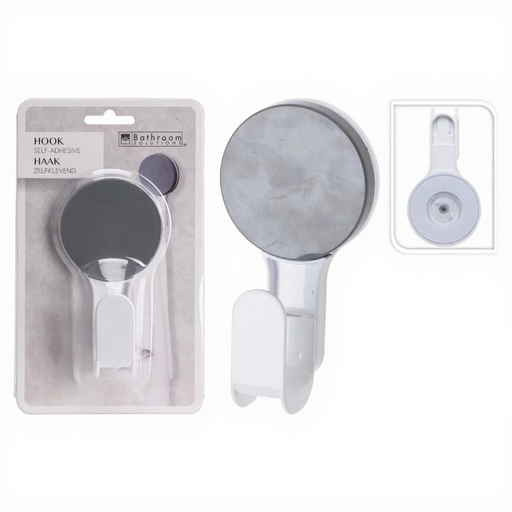
Why This Fits Their Persona: Ideal for anyone needing a temporary and reusable solution for light items like washcloths, small towels, or kitchen gadgets. Perfect for use on tiles in the bathroom or kitchen without making a long-term commitment.
As a suction cup hook, this model bypasses the risk of adhesive residue or paint damage. Its function is clearly limited to smooth, non-porous surfaces, which keeps expectations realistic and prevents misuse.
Can be removed without a trace at any time and reused elsewhere. No surface damage.

Why This Fits Their Persona: The minimalist stainless steel design blends seamlessly into modern apartments. The 4-pack allows for a uniform and tidy look for hanging towels, light jackets, or bags without drilling.
These hooks use a strong adhesive pad designed for reliable adhesion on suitable surfaces. The stainless steel construction prevents rust and ensures a long lifespan, even in humid areas like the bathroom.
Durable, rust-proof material. Modern, unobtrusive design. Convenient set for a uniform look.
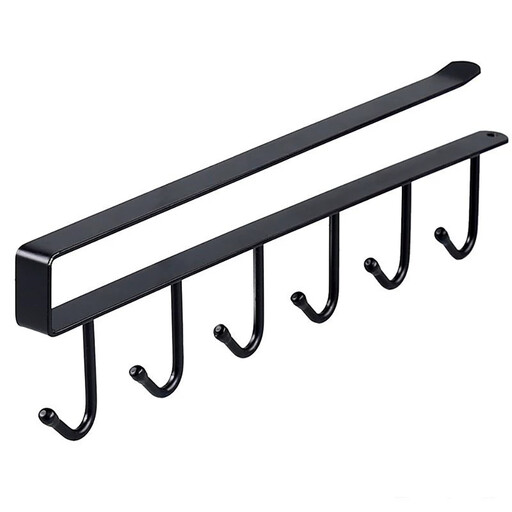
Why This Fits Their Persona: Solves the specific problem of limited space in kitchen cabinets or on countertops. This under-shelf mug holder utilises the unused space beneath the shelf, instantly creating new, easily accessible storage for mugs or kitchen utensils.
This design relies on a mechanical clamp rather than adhesive or suction. This completely eliminates the risk of it falling due to adhesive failure, surface issues, or humidity.
Creates new storage space without any mounting on walls or furniture. Can be flexibly repositioned at any time.
We have compiled a complete, up-to-date list of products that fully meet these strict selection criteria and comply with current safety regulations.
1. How do I remove adhesive hooks without leaving residue? To prevent damage, gently heat the adhesive before removal, for example, with a hairdryer on a low setting. Then, carefully slide a thin wire or dental floss between the adhesive pad and the wall to slice through the glue. Any remaining residue can often be removed with rubbing alcohol or a specialised adhesive remover. Always test cleaning agents on an inconspicuous area first.
2. What is a realistic load capacity for drill-free hooks? Always refer to the manufacturer's specifications for the particular surface. As a safety precaution, it is advisable to load the hook with only 50% to 70% of its stated maximum capacity, especially if items will be hung permanently. This compensates for factors like temperature fluctuations and humidity.
3. Do suction cup hooks work long-term in a shower area? They can hold well on perfectly smooth, clean, and non-porous tiles. However, the suction power can diminish over time due to temperature changes, water vapour, and soap scum. It is advisable to regularly clean the hook and the surface and re-affix the hook to ensure a lasting, secure hold.