
Lieferung heute & morgen

Qualitätsgarantie

Willkommens-Angebote freischalten: KOSTENLOSE Lieferung | Bis zu 80 % RABATT | Kostenlose 30-Tage-JoyPlus-Testphase
App herunterladen
Hanging items on walls is a daily necessity, but for renters, students, or homeowners who want to protect their surfaces, drilling poses a significant problem. The search for a solution quickly leads to drill-free hooks. The market offers a plethora of options, but not all live up to their promises. Making the wrong choice often leads to falling objects, damaged walls, and unnecessary expenses.
This guide highlights the most common pitfalls when buying adhesive hooks and explains the crucial criteria you should check before purchasing to find a reliable, damage-free solution for your home.
Many products advertise easy installation and a strong hold, but the reality is often different. Watch out for these three common problems to avoid a bad buy:
To make the right choice, don't be swayed by marketing promises; focus on objective product features instead. The following three parameters are crucial for the functionality and longevity of drill-free wall hooks.
The type of adhesive is the main factor determining holding power and removability. There are two main categories:
The maximum load capacity (often specified in kilograms) is a key metric. Be realistic: a small plastic hook will hardly hold a heavy winter coat. Plan for a safety margin and choose a hook whose stated load capacity is significantly higher than the weight of the item you plan to hang. For drill-free towel hooks in the bathroom, which are exposed to constant weight and moisture, a model with a load capacity of at least 1-2 kg on tiles is a sensible choice.
The material affects not only the appearance but also the durability.
Based on these objective criteria, we have identified some products that represent a suitable solution for specific user profiles.
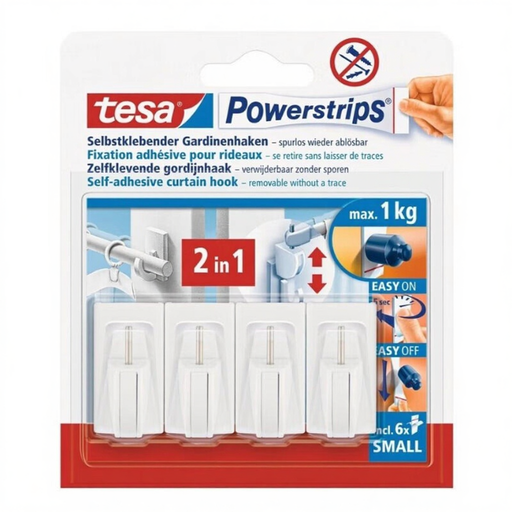
Why This Fits Their Persona: Ideal for students or renters looking for a cost-effective, reliable, and, most importantly, residue-free removable solution for light items like keys, tea towels, or small decorative elements.
The proven Tesa Powerstrips technology is specifically designed for residue-free removal from smooth surfaces, thus minimising the risk of surface damage.
Load capacity up to 1 kg: Sufficient for many everyday items. Reusable: The hook can be used again with a new Powerstrip.
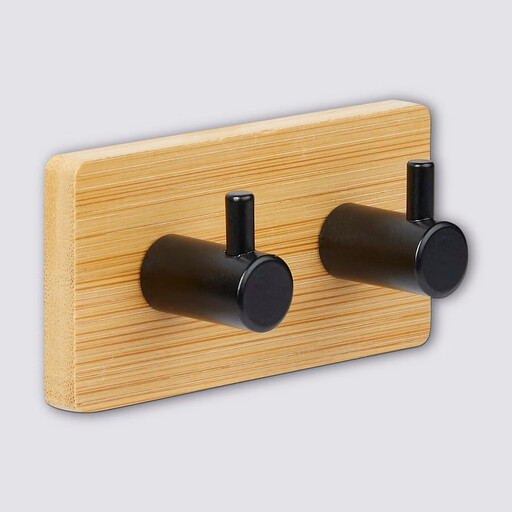
Why This Fits Their Persona: For users who prioritise aesthetics. This hook combines the natural warmth of bamboo with the cool elegance of steel, blending seamlessly into modern or Scandinavian-inspired interiors.
By using steel for the hook itself, it bypasses the stability issues that can occur with all-wood hooks. The design is both functional and decorative.
High-Quality Material Combination: Bamboo and steel offer a durable and visually appealing alternative to plastic. Dual-Hook Design: Provides space for multiple items.
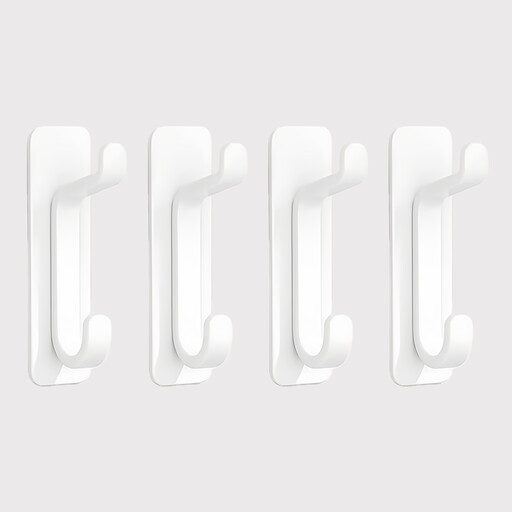
Why This Fits Their Persona: Perfect for renters who need a versatile and robust solution for various rooms. The 4-pack offers great value for money, and the stainless steel construction is suitable for use in the kitchen or bathroom.
The product's "Strong Adhesive" and "Damage-Free" branding directly addresses the main concerns of users: a strong hold without damaging walls upon moving out.
Stainless Steel Material: Durable, rust-resistant, and easy to clean. Multi-Pack: Offers an economical solution for outfitting multiple areas of the home.
We have compiled a complete, up-to-date list of products that fully meet these strict selection criteria and applicable standards.
Caution is advised. Most standard adhesives can damage wallpaper during removal. Look specifically for products that the manufacturer has explicitly designated for use on wallpaper or delicate surfaces. Testing in an inconspicuous area is recommended.
The lifespan depends on several factors: the quality of the adhesive, the nature of the surface, the load, and environmental conditions like humidity and temperature fluctuations. A correctly installed, high-quality hook can last for several years. However, it is advisable to check the hold regularly, especially for heavy or valuable items.
Always follow the manufacturer's instructions. For systems with adhesive strips (like Tesa Powerstrips), the strip is typically pulled off slowly and parallel to the wall. This stretches the adhesive, allowing it to release cleanly. For other adhesives, gently warming them with a hairdryer can help soften the glue. However, do this slowly and from a distance to avoid heat damage to the surface.