
Lieferung heute & morgen

Qualitätsgarantie

Willkommens-Angebote freischalten: KOSTENLOSE Lieferung | Bis zu 80 % RABATT | Kostenlose 30-Tage-JoyPlus-Testphase
App herunterladen
Ready-to-drink beverages from the supermarket are convenient, but they often come with downsides: high sugar content, unnecessary costs, and an ever-growing mountain of plastic bottles. Many people want more control over what they drink—whether that means less sugar, more flavour variety, or a more cost-effective alternative. Drink syrup offers a flexible and simple solution.
This article serves as your practical guide. It explains what to look for when making your selection and presents various options to help you find the right drink concentrate for your needs—from refreshing sodas to revitalising energy drinks you can make at home.
The market for syrups is vast and can be overwhelming. The following criteria will help you make an informed decision and find a product that meets your requirements.
A crucial factor is the composition. If you want to reduce your sugar intake, you should specifically look for sugar-free syrup or low-calorie syrup. These products typically use sweeteners like cyclamate, acesulfame K, or saccharin to create a sweet taste without the calories of sugar.
Other syrups, such as traditional fruit syrup or specialities like Yuzu Tea, intentionally use sugar or honey as a key flavouring and preservative. Therefore, always check the ingredients list and nutritional information to ensure the product fits your dietary needs.
A syrup's concentration determines how many finished drinks you can make from one bottle. A highly concentrated drink concentrate with a mixing ratio of, for example, 1:80 offers an extremely high yield. This means 1 part syrup is mixed with 80 parts water. A 1-litre bottle can produce up to 80 litres of a ready-to-drink beverage. This is not only cost-effective but also reduces packaging waste. Less concentrated syrups often have a ratio of 1:7 or 1:10.
Consider what you want to use the syrup for.
Here is a selection of products that cater to different needs and taste preferences.
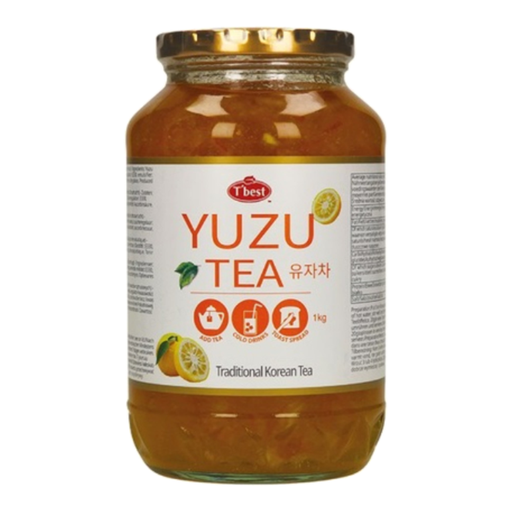
Why it stands out: This product is a traditional Korean fruit preparation made from yuzu citrus fruits, sugar, and honey. It offers an authentic, sweet-and-sour taste experience and is distinguished by its versatile applications.
Pros:
Who it's for: For lovers of specialty tea and fruit drinks who are looking for a natural and intense flavour experience. Ideal for anyone who enjoys discovering new tastes and wants a versatile product for various occasions.
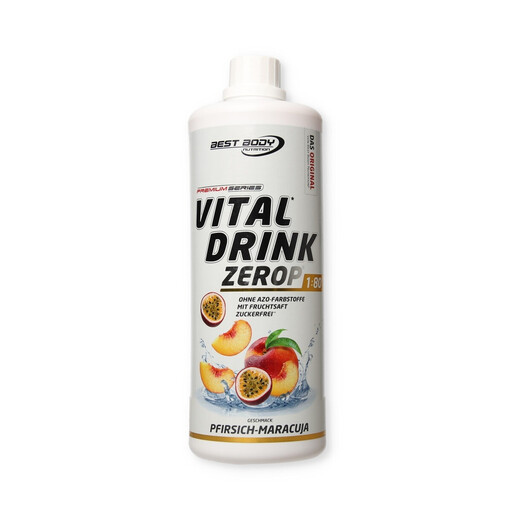
Why it stands out: This drink concentrate is a sugar-free option that still offers a fruity taste thanks to a small amount of fruit juice. It is enriched with vitamins and has an extremely high yield.
Pros:
Who it's for: For health-conscious consumers, families, and athletes who want to reduce their sugar intake without sacrificing flavour. Especially practical for users of soda makers.
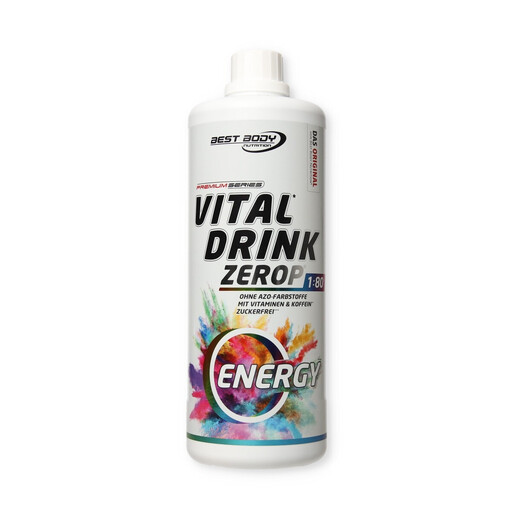
Why it stands out: This energy drink syrup is a sugar- and aspartame-free alternative to conventional energy drinks. It combines the typical energy drink flavour with caffeine and B vitamins.
Pros:
Who it's for: For individuals looking for a stimulating effect but wanting to avoid sugar. Ideal for athletes before a workout or for anyone needing a boost in concentration during the day.
This is just a small glimpse into the world of drink concentrates. If you want to discover more flavours or special syrups for different uses, you can find many more options in our comprehensive Drink Concentrate category.
The terms are often used interchangeably. However, drink concentrate generally refers to a product with a higher concentration and a better mixing ratio (e.g., 1:80), which makes it have a very high yield. A classic drink syrup or fruit syrup often has a lower mixing ratio (e.g., 1:7 or 1:10). Both are used to add flavour to water or other liquids.
It is recommended to follow the instructions from both the syrup and the soda maker manufacturers. Syrups specifically labelled as syrup for soda makers are generally the safest choice. As a rule, the syrup should always be added to the water after carbonating to prevent the machine from overflowing. Syrups with high sugar content or fruit pieces may sometimes not dissolve as well.
Most syrups should be stored in the refrigerator after opening to maintain their quality and shelf life. You can find the specific storage recommendations and the shelf life after opening (often between 4 and 8 weeks) on the product label. Unopened bottles should be stored in a cool, dry place away from direct light.