
Lieferung heute & morgen

Qualitätsgarantie

Willkommens-Angebote freischalten: KOSTENLOSE Lieferung | Bis zu 80 % RABATT | Kostenlose 30-Tage-JoyPlus-Testphase
App herunterladen
Drink syrup is ideal for homemade lemonade, iced tea, cocktails, mocktails, desserts and drinks made with a sparkling water maker. The choice ranges from fruit syrups such as peach, mango and strawberry to tea varieties such as jasmine green tea and black tea syrup. To avoid unnecessary expense or choosing a flavour that isn’t right for you, take a closer look at the information on the label.
A 600 g bottle doesn’t automatically contain 600 ml. With concentrated products, net weight and net volume can differ. The dilution ratio matters too. A syrup diluted at a ratio of 1:6 will make considerably less finished drink than a sugar-free drink syrup dosed at 1:80.
So don’t compare bottle prices alone. Also check:
A drink syrup may contain fruit juice, fruit juice concentrate, flavourings or a combination of these. If you’re considering products containing passion fruit, mango or blueberry, check the ingredients list. The stated fruit content is more informative than a large picture on the label.
For example, according to the product information, JENI Passion Fruit Syrup contains 10% passion fruit juice. JENI Peach Syrup is listed as containing at least 10% peach juice concentrate. These details help you compare fruit syrups on a like-for-like basis.
A sugar-free drink syrup may contain sweeteners such as cyclamate, acesulfame K or saccharin. A traditional syrup made with sugar and fruit juice, by contrast, often contains considerably more carbohydrates and sugar per 100 ml. If you want to reduce your sugar intake, check the nutrition table alongside the serving size.
Vitamin claims don’t change the fact that this is a drink concentrate. Always use the syrup according to the stated dosage and don’t drink it undiluted.
For lemonade and SodaStream drinks, look for syrups that mix well with still or sparkling water. When using a sparkling water maker, carbonate the water first. Then add the syrup slowly to avoid excessive foaming.
Some products are more versatile. A syrup for cocktails or syrup for mocktails should mix easily into cold drinks too. Tea varieties such as black tea syrup can be used to make iced tea, while fruit syrups also go well with yoghurt, ice cream, pancakes and other desserts.
Check the full ingredients list for:
For example, JENI Jasmine Green Tea Syrup lists the colouring E110. According to the product labelling, E110 may have an adverse effect on activity and attention in children. JENI Passion Fruit Syrup lists E129, which also carries a relevant warning. Families should take this information into account before buying.
Shelf life depends on the product and the manufacturer’s instructions. Some syrups should be refrigerated after opening and used within a specified period. For example, JENI Blueberry Syrup should be stored in the fridge and used within four weeks of opening.
If you only use syrup occasionally at home, a smaller bottle may be a better choice. Small cafés, families and frequent users may benefit from a larger container, provided the syrup is used within the recommended timeframe.
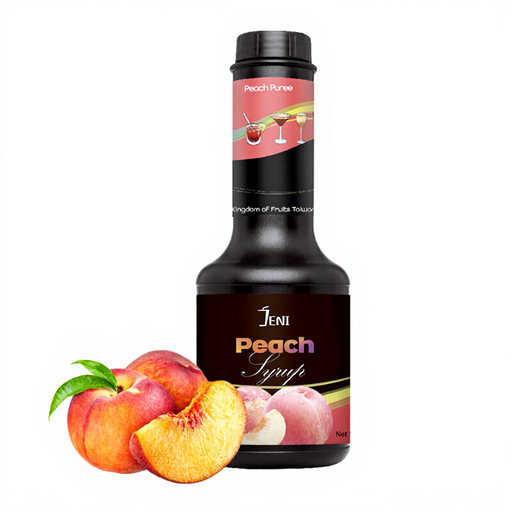
Why this product suits this profile: This peach syrup is made for classic lemonade, desserts and simple mixed drinks. The recommended ratio is 1 part syrup to 5–7 parts liquid.
The dosage recommendation makes it easier to judge how much the bottle will make. Ingredients and nutritional information are listed on the product page.
456 ml or 600 g; suitable for water, soda, cocktails and desserts.
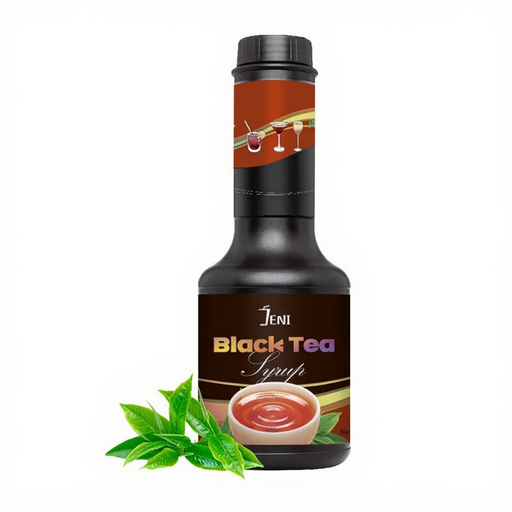
Why this product suits this profile: This black tea syrup is ideal if you want to make iced tea, soft drinks and mixed drinks with a tea base.
The stated carbohydrate content of 63 g per 100 ml makes it easier to compare with sugar-free alternatives.
600 g bottle; intended for cold or sparkling water, as well as cocktails and iced tea.
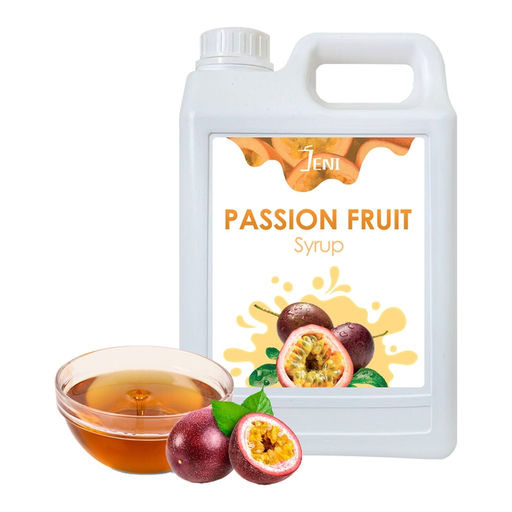
Why this product suits this profile: The larger container is ideal for making lemonade, cocktails, mocktails and drinks regularly for family gatherings or in a small catering business.
The large volume means you won’t need to reorder as often. Before buying, check that you’ll use it within the recommended storage period after opening.
1.9 litres or 2.5 kg; according to the product information, it contains 10% passion fruit juice and is suitable for hot and cold liquids.
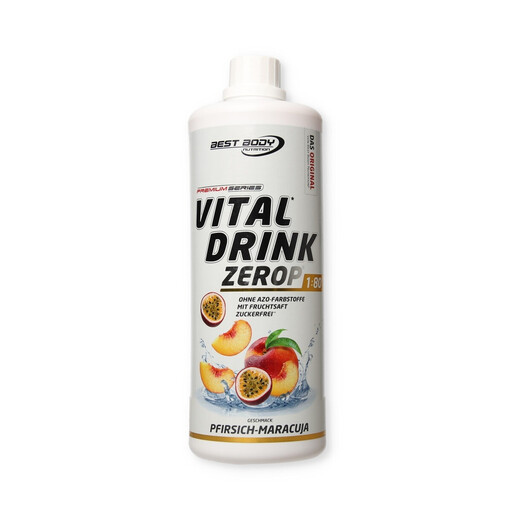
Why this product suits this profile: This concentrate is designed for anyone looking for a highly diluted, sugar-free alternative for water or a sparkling water maker.
The 1:80 dilution ratio and serving guide of 2.5 ml per 200 ml of water make it easy to measure out. Do not drink the concentrate undiluted.
48 ml makes 19 servings according to the product information; contains peach and passion fruit juice from concentrate, plus vitamins B1, B6 and niacin.
We’ve put together a complete, regularly updated list of products that meet these strict selection criteria and fully comply with the safety regulations in force in the EU.
It depends on the product. Traditional concentrates are often mixed with water at a ratio of 1:5 to 1:8. Sugar-free concentrates may need much less, for example at a ratio of 1:80. Always follow the instructions on the packaging.
Yes, provided the syrup is suitable for water or sparkling drinks. For safety and ease of use, carbonate the water first. Then carefully add the syrup and stir slowly.
This varies according to the recipe, preservatives and manufacturer’s instructions. After opening, seal the bottle tightly and keep it away from heat and light. If instructed, store it in the fridge. Also check the recommended period for use on the label.