
Lieferung heute & morgen

Qualitätsgarantie

Willkommens-Angebote freischalten: KOSTENLOSE Lieferung | Bis zu 80 % RABATT | Kostenlose 30-Tage-JoyPlus-Testphase
App herunterladen
Anyone looking to buy drinking chocolate will find far more than classic cocoa powder in shops. The options include instant mixes for hot and cold milk, ready-to-drink UHT cocoa beverages, drinking chocolate in individual sachets, and varieties with coffee, grains or plant-based ingredients. For families, working people and students, flavour is therefore not the only deciding factor. Ingredients, allergens, serving size, storage and preparation time should also suit your everyday routine.
Dark packaging or the word ‘chocolate’ says little about the recipe. With instant cocoa, sugar is often listed first in the ingredients. According to the product information, for example, Kaba cocoa powder contains 18% low-fat cocoa powder and 80 g of sugar per 100 g. Nesquik Original contains 23% low-fat cocoa powder and, depending on the variant, around 75 g of sugar per 100 g.
If you are looking for a more intense cocoa flavour, compare the percentage cocoa content and the nutrition table rather than relying solely on the product image.
A cocoa powder may be suitable for both cold and hot milk, while drinking chocolate in an individual sachet may be specially designed to be prepared with hot water. The recommended quantities also vary between instant cocoa products: Nesquik specifies around 13.5 g of powder for 200 ml of milk, while Massimo Drinking Chocolate requires 25 g for approximately 150 ml of hot water.
The preparation method affects flavour, sweetness and the cost per cup. Before buying, check the serving information and the liquid required: milk, water or a plant-based alternative.
Milk, soya, gluten and caffeine are important information for some households. A product may not contain any obvious nuts, for example, but may include soya lecithin as an emulsifier. According to the ingredients information, Milo contains malted barley and therefore gluten, as well as milk and lactose. AGF Blendy Stick Cocoa au Lait contains milk and soya and indicates a source of phenylalanine due to aspartame.
The current labelling on the packaging is always decisive. If you have allergies or intolerances, you should also take statements such as ‘May contain traces of …’ into account.
For an objective comparison, check:
According to the product information, Alnatura Organic Drinking Cocoa contains at least 38% organic cocoa and is certified under DE-ÖKO-001. The mix also consists of 60% raw cane sugar. ‘Organic’ refers to the origin and certification of the ingredients; it does not automatically indicate a particular flavour or sugar content.
Nutritional values per 100 g make it possible to compare products. For the amount you actually drink, however, the serving size is more important. A powder containing 78 g of sugar per 100 g provides significantly less sugar in a 13.5 g serving than the per-100 g figure might suggest. If you use more powder or add sweetened milk, the composition of the finished cocoa drink will change.
For ready-made products, the values are generally given directly per 100 ml. According to the product description, Frischli UHT Cocoa Drink contains 51 kcal, 0.2 g of fat and 8.1 g of sugar per 100 ml. The 0.5 l carton can be stored in the fridge after opening; refrigeration is not required while it remains unopened.
Refill pouches containing 350 or 400 g are suitable for regular use, but should be stored somewhere dry, sealed and protected from heat. An airtight container can help reduce clumping with some powders. Individual sachets are practical for the office, university or taking with you, but they create more individual packaging and may cost more per serving.
Ready-made UHT drinks eliminate the need for preparation. However, they require more storage space and should be consumed promptly after opening. You should also check the best-before date and the specific storage instructions on the label.
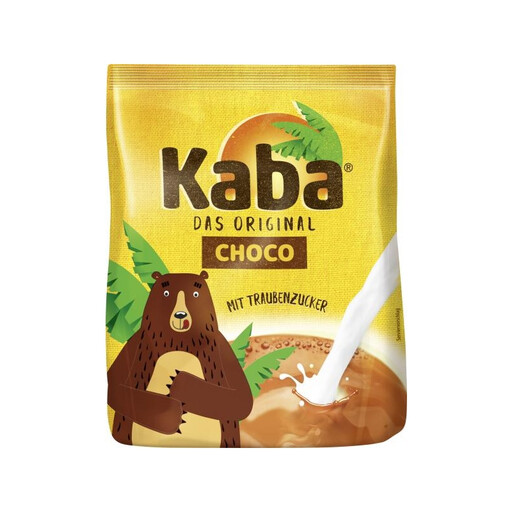
Why this product suits this profile: The 400 g refill pouch is ideal for households that regularly prepare cocoa with hot or cold milk.
The ingredients and nutrition information specify 18% low-fat cocoa powder and a recommended serving of 20 g. This makes it easier to calculate how much you need.
Suitable for hot and cold milk; also versatile for baking and desserts.
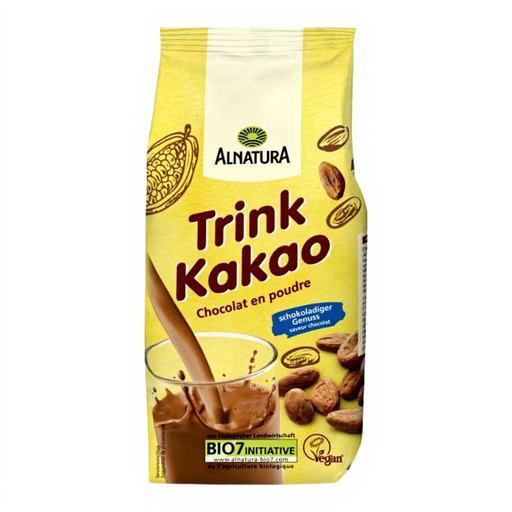
Why this product suits this profile: The organic certification and stated cocoa content make the product information easy for conscious shoppers to verify.
The DE-ÖKO-001 certification and ingredients information specifying at least 38% organic cocoa replace vague quality claims with verifiable details.
Suitable for hot and cold liquids; according to the product information, vegan and lactose-free, with a possible milk traces warning.
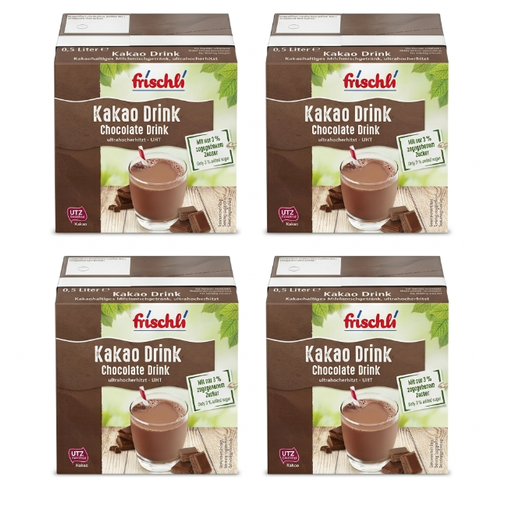
Why this product suits this profile: This ready-to-drink cocoa beverage is ideal for breakfast, breaks and situations where you do not have a milk frother or measuring spoon to hand.
The serving size is clearly visible, and the UHT packaging does not require refrigeration while unopened. Refrigeration is required after opening.
Four cartons of 0.5 l each; according to the product information, 0.3% fat and 51 kcal per 100 ml.
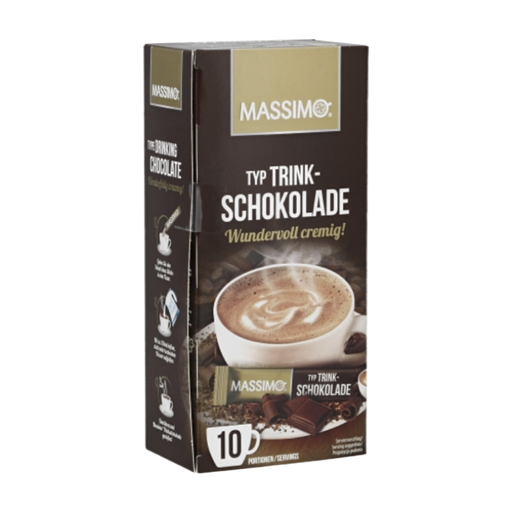
Why this product suits this profile: Individual portions make it easier to store at work and prepare without weighing.
The 10 cocoa sachets fix the quantity and protect the unopened contents from moisture and dosing errors.
10 sachets of 25 g each; according to the product description, 24% low-fat cocoa powder and preparation with approximately 150 ml of hot water.
We have put together a complete, regularly updated list of products that fully meet these strict selection criteria and the safety regulations applicable in the EU.
First, add a small amount of cold or warm milk or water to the powder and stir it into a smooth paste. Then add the remaining liquid. When preparing a hot drink, the liquid should not be boiling for many products. The individual manufacturer's instructions take precedence.
This depends on the product, packaging and storage conditions. Store cocoa powder somewhere dry and cool, and keep it tightly sealed. Moisture often causes clumping and can affect product quality. The best-before date generally applies to the unopened pack when stored correctly. After opening, follow the instructions on the label.
This can only be calculated based on the specific serving. Compare the price per 100 g or per sachet, then take the recommended amount of powder into account. Milk adds its own cost; with ready-made cocoa drinks, the preparation time and additional ingredients are already included in the product.