
Lieferung heute & morgen

Qualitätsgarantie

Willkommens-Angebote freischalten: KOSTENLOSE Lieferung | Bis zu 80 % RABATT | Kostenlose 30-Tage-JoyPlus-Testphase
App herunterladen
A drinking cup needs to do more than simply hold a drink. For families, easy handling and cleaning are important; for events, you’ll want the right capacity and shatter-resistant materials. If you take coffee, tea or smoothies with you, you’ll also need to consider the lid, temperature range and leak protection.
A few common assumptions can lead to unnecessary spending:
Choose a capacity that suits the occasion:
A 200 ml children’s drinking cup is easier to hold than a larger model. For your desk, a coffee or tea mug with a handle may be more comfortable. If you’re looking for a smoothie cup, check whether it’s actually a drinking vessel or a sealable storage container.
Polypropylene (PP) is often used for children’s cups and storage containers. A BPA-free cup made from PP may be suitable for everyday use, provided this is clearly stated in the product details.
Polystyrene (PS) is lightweight and can be clear or coloured. According to the product details, the 5five Estiva Tumbler is suitable for drinks up to 70 °C. The description recommends hand-washing and advises against using it in the microwave. This is why it’s important to check material and care instructions before buying.
Ceramic is a good choice for classic coffee and tea mugs. However, a ceramic mug is more prone to breaking than a plastic cup, so it should be kept away from very young children. Check the instructions for microwave and dishwasher use for each model.
A leak-proof cup is only practical if the lid and valve are fitted correctly. So check:
For baby training cups, handles, the spout and the valve are especially important. Check the cup for cracks, sharp edges or damaged lids before each use. Hot liquids are generally unsuitable for children’s cups unless the manufacturer says otherwise.
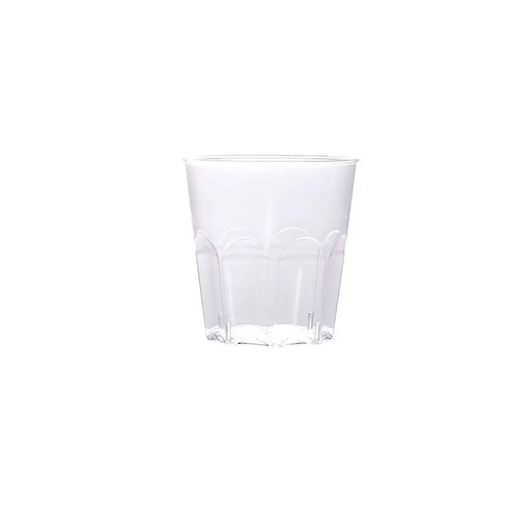
Why this product suits this profile: This set of 50 disposable cups, each with a 200 ml capacity, is designed for households or event organisers who need plenty of cups for a one-off occasion.
The pack quantity and capacity are clearly stated, so you can work out in advance whether the set will be enough for your number of guests.
50 cups per pack, each with a 200 ml capacity. If you’ll use cups regularly, it’s worth considering a reusable option separately, for material and waste reasons.
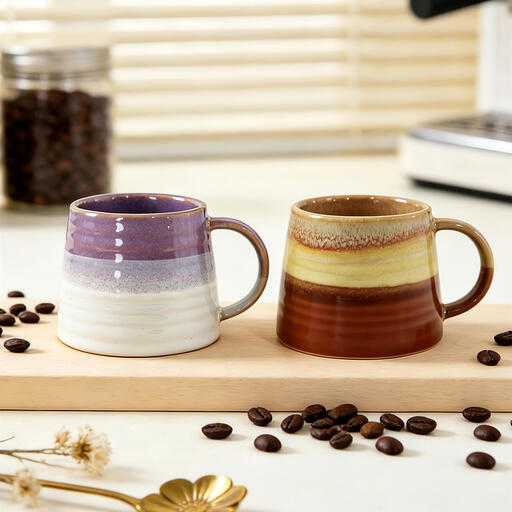
Why this product suits this profile: This 282 ml ceramic mug has a handle and a glazed finish. It’s suitable for coffee, cocoa, milk tea and other hot drinks at home or in the office.
The product details specify its capacity, handle, and suitability for microwave and dishwasher use. Check the glaze and ceramic body for damage before use.
A 282 ml capacity and an ergonomic handle. According to the product details, it’s dishwasher- and microwave-safe; avoid sudden changes in temperature.
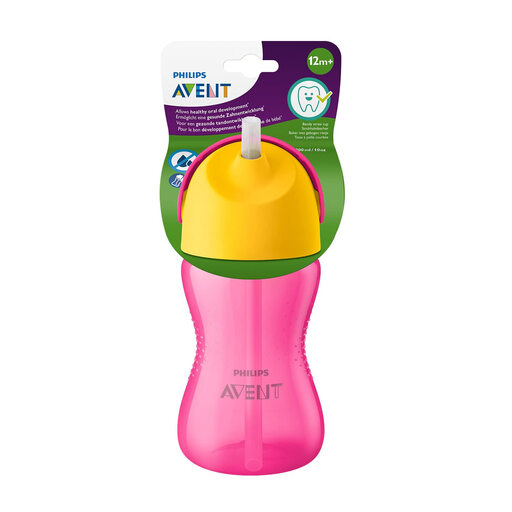
Why this product suits this profile: According to the product details, this 300 ml cup is designed for toddlers and comes with handles, a flexible straw, a flip-top lid and a leak-protection valve.
The lid protects the straw when you’re out and about, while the valve is designed to help prevent spills. The product details say the cup can be taken apart for cleaning.
A 300 ml capacity, BPA-free material according to the product details, and dishwasher-safe design. The cup is listed as suitable for toddlers.
We’ve put together a complete, regularly updated list of products that meet these strict selection criteria and fully comply with the safety regulations in force in the EU.
For a party, disposable cups or small multi-packs can be a good choice if you’ve already considered how many you need and how to dispose of them. For everyday use, a reusable cup with clear care instructions is usually more practical. Lightweight plastic cups are handy for outdoor events, while ceramic cups are better suited to a permanent spot in the kitchen, office or café.
The Set of 20 Faceted Plastic Cocktail Glasses has a capacity of 6 cl, according to the product details. The cocktail glasses are described as lightweight, shatter-resistant and reusable, and are made from plastic. They’re intended for cold drinks. If you use them regularly, clean them thoroughly after each use and check for cracks before serving.
A baby training cup should have easy-to-grip handles, an age-appropriate capacity and a lid that’s easy to clean. Models with a valve can help reduce spills, but they aren’t necessarily completely leak-proof. Follow the manufacturer’s age guidance.
Dishwasher-safe means the manufacturer says the cup can be cleaned in a dishwasher. However, high temperatures, harsh detergents and frequent wash cycles can wear down the surface and seals over time. Allow all parts to dry completely after washing.
Its lifespan depends on the material, how often it’s used, the temperature and how well it’s cared for. Replace a plastic cup if it develops cracks, becomes misshapen or heavily discoloured, or has damaged seals. Regular checks are especially important for children’s cups.