
Lieferung heute & morgen

Qualitätsgarantie

Willkommens-Angebote freischalten: KOSTENLOSE Lieferung | Bis zu 80 % RABATT | Kostenlose 30-Tage-JoyPlus-Testphase
App herunterladen
A drinking cup with a lid should keep drinks safe to transport, feel comfortable in your hand, and be easy to clean without much fuss. In practice, however, models differ significantly: a cup for hot coffee has different requirements than a smoothie cup or a picnic cup for cold drinks.
Many poor purchases happen not because of the price, but because of unclear product information. If you only focus on an attractive design or big promises like "leak-proof", you might overlook important details about the closure type, temperature suitability and cleaning. The selection below will help you compare relevant features objectively.
A lid alone doesn't automatically make a cup safe for transport. What matters is the design of the closure, whether a seal is present, and the intended orientation during transport. A clip closure, a screw lid and a simple drinking spout each offer different characteristics.
Also pay attention to whether the manufacturer says "leak-proof", "spill-proof" or simply mentions a lid. These terms should not be treated as the same. With a leak-proof cup, it's also important whether it's designed for a bag, a rucksack or only for upright transport.
A coffee-to-go cup or travel coffee cup must be suitable for hot liquids. A double-walled cup can reduce heat transfer to your hand, but it isn't automatically approved for hot drinks.
Conversely, some models are expressly intended only for cold drinks. With such a cold drink cup, hot liquids can put greater strain on the material, seal or closure. The product description and safety instructions should therefore take priority over appearance.
A dishwasher-safe cup saves time in daily use, whereas delicate materials or wooden elements usually need to be washed by hand. Microwave suitability is also not a given. With many containers, the lid must be removed before heating to prevent pressure from building up.
Check before you buy:
For everyday use, details such as BPA-free, food-safe and the specific type of material are relevant. Polypropylene, or PP for short, is widely used in drinking cups. According to the product information, the green anti-drop cup uses BPA-free PP, a silicone sealing ring and a heat-resistant silicone sleeve.
Glass can be flavour-neutral, but it is prone to breakage. With the 750 ml glass cup set, the cups and straws are made of glass, while the lids and seals are made of wood and rubber respectively. This also explains the different care instructions.
For a desk or short journeys, smaller sizes are often sufficient. A smoothie cup with 450 ml is suitable for a single portion. 650 ml per cup is practical for picnics, camping and longer stays. 750 ml offers more volume, but also increases weight and space requirements.
Think beforehand about whether the cup will mainly be used as a:
A suitable capacity prevents the cup from being unnecessarily large or too small for everyday use.
The terms "double-walled" and "insulated" describe the construction, but they don't replace specific usage instructions. According to the details, the white Bottle Bottle model is intended for cold drinks, is not microwave-safe and must be cleaned by hand only. The Emsa Clip & Go Smoothie Cup, on the other hand, is described as BPA-free, dishwasher-safe, and suitable for both the microwave and freezer.
These differences are crucial for daily use. If you want to heat drinks, you should only choose a model where this use is expressly stated. Even with a reusable cup, regular checks for cracks, deformation and damaged seals remain important.
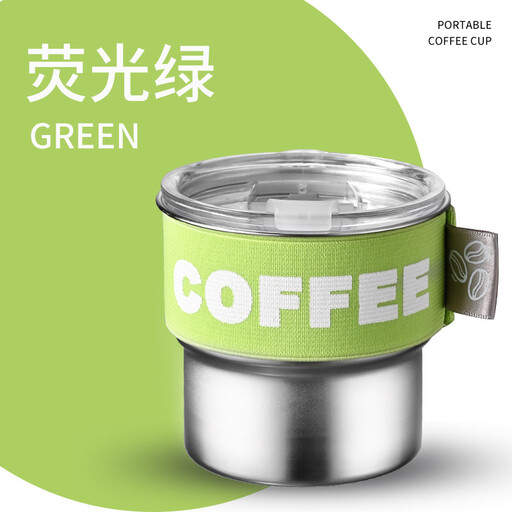
Why this product suits the profile: The cup is designed for the office and home, combining BPA-free PP with a heat-resistant silicone sleeve for grip.
The material details specify PP, a medical-grade silicone sealing ring and a silicone sleeve, rather than just using general safety terms.
BPA-free PP and a heat-resistant silicone sleeve are listed as product features.
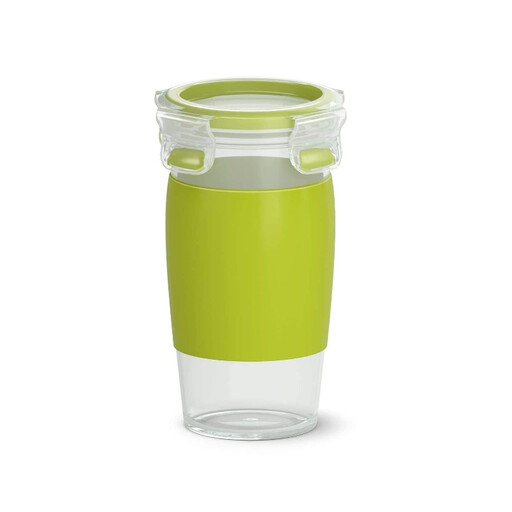
Why this product suits the profile: For users looking for a compact smoothie cup with several everyday features, this 450 ml model offers clear information on the closure and care.
The clip lid is described as leak-proof; additionally, dishwasher, microwave and freezer suitability are stated.
450 ml capacity, BPA-free material, handle and clip closure.
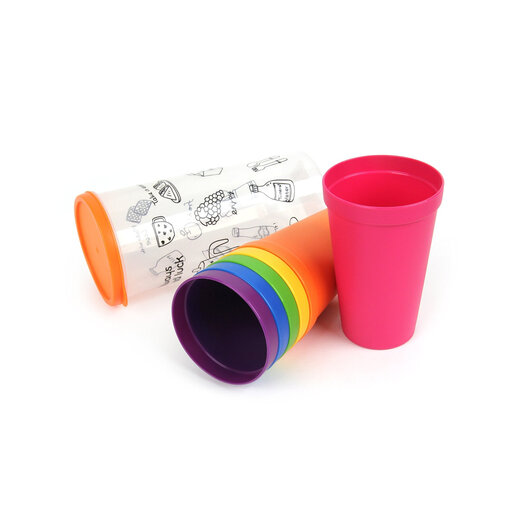
Why this product suits the profile: The set is aimed at families, groups and users who need several cups for picnics, camping or travel.
Six cups of 650 ml each are transported in a separate container with a lid, so the storage method is clearly described.
BPA-free PP, stackable cups, dishwasher-safe and includes a storage container.
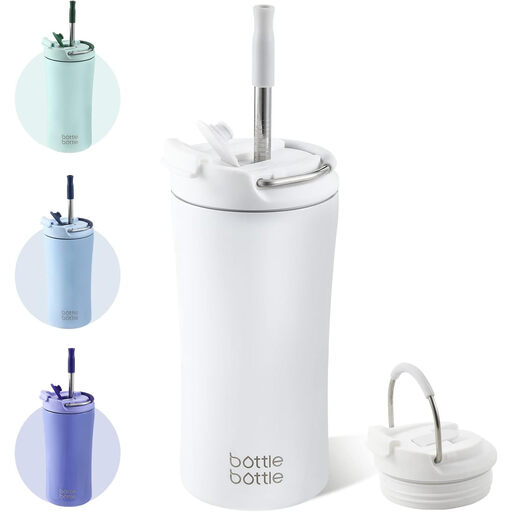
Why this product suits the profile: The double-walled model is designed for cold drinks and is suitable for the office, beach or travel.
The safety instructions clearly define its use: not suitable for hot liquids and not for the microwave.
Double-walled construction, BPA-free material and designed for cold drinks.
We've put together a complete, regularly updated list of products that fully meet these strict selection criteria and the safety regulations in force in the EU.
That depends on the specific approval. For coffee, you should choose a model whose material, seal and closure are expressly intended for hot drinks. A cup with a silicone sleeve can make handling more comfortable, but it doesn't replace the manufacturer's temperature specifications.
A fixed lifespan cannot be given as a general rule. It depends on the material, usage, cleaning and the strain on the closure. Check the cup regularly for cracks, discolouration, deformation and leaking seals. If it is damaged, it should not be used further.
Not every drinking cup is fully dishwasher-safe. When buying, you need to distinguish between the cup, lid, sealing ring and accessories. Hand washing is often required, especially with wooden lids. Therefore, check the care instructions for the specific model before first use.