
Lieferung heute & morgen

Qualitätsgarantie

Willkommens-Angebote freischalten: KOSTENLOSE Lieferung | Bis zu 80 % RABATT | Kostenlose 30-Tage-JoyPlus-Testphase
App herunterladen
A drinking cup needs to fit into your everyday life: in the kitchen, at your desk, in the children's room or when you're out and about. Even so, eye-catching colours and marketing claims do not automatically guarantee the right choice. It is often only after buying that you discover the cup is not dishwasher-safe, unsuitable for hot drinks or prone to leaking when you're on the move.
Three common buying misconceptions occur particularly often:
The material affects the cup's weight, resistance to breakage, temperature resistance and ease of cleaning.
For food contact, Regulation (EC) No 1935/2004 and, for plastic materials, Regulation (EU) No 10/2011 are relevant in the EU. Such labelling describes the product's legal suitability for the intended food contact, but does not replace the need to follow the individual care instructions.
The 200 ml, 300 ml and 380 ml sizes cover many everyday situations:
A wide base can improve stability. A narrow, tall cup, on the other hand, saves space in the cupboard. For small children, ergonomic handles and a low weight are often more important than maximum capacity.
The descriptions dishwasher-safe cup and microwave-safe cup should only be taken into account when they are expressly stated in the product information. “Suitable for warm drinks” does not mean the same as “suitable for microwave use”.
You should also check:
A leak-proof cup for use on the go should be closed correctly before transport and, where possible, placed upright in a bag or rucksack. With hot drinks, you should also check whether the closure and drinking system are approved for this purpose.
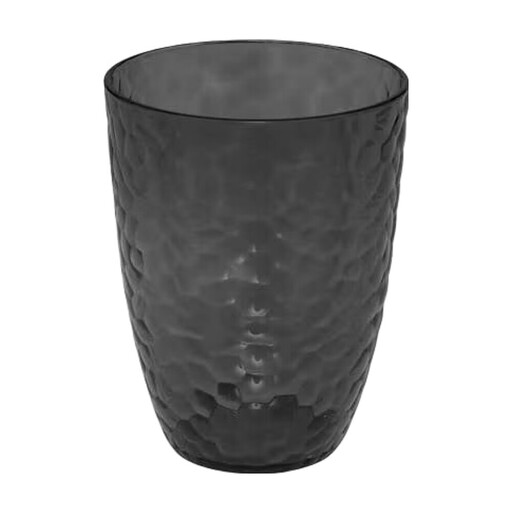
Why this product suits this profile: This 380-ml plastic cup is lightweight and designed for everyday use with cold and warm drinks up to 70 °C.
The product information clearly states the material, capacity and temperature limit. At the same time, microwave use is not recommended.
380 ml capacity, a low weight of 55 g and information from the manufacturer confirming compliance for food contact.
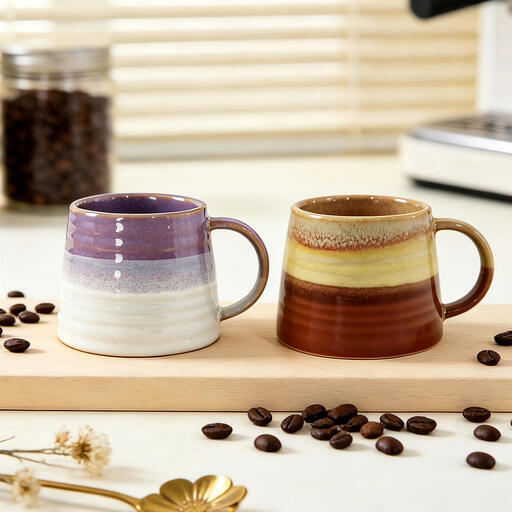
Why this product suits this profile: This ceramic cup with a handle is suitable for coffee, cocoa and other drinks at home, in the office or at breakfast.
The information clearly confirms that the cup is suitable for microwave and dishwasher use. It also warns against thermal shock and use if there are cracks or chips.
Glazed ceramic body, integrated handle and a capacity of approximately 282 ml.
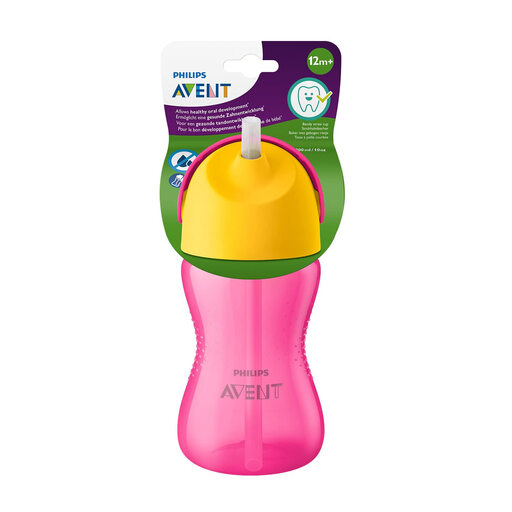
Why this product suits this profile: This children's drinking cup is designed for toddlers and features handles, a flexible straw, a valve and a flip-top lid.
The anti-leak valve and protective lid are designed to reduce the risk of spills. The cup is dishwasher-safe and can be taken apart for cleaning.
300 ml capacity, BPA-free materials according to the product information and a handle area shaped for small hands.
We have put together a complete, regularly updated list of products that fully meet these strict selection criteria and the safety regulations applicable in the EU.
For camping, picnics and parties, lightweight shatterproof cups are worth considering. The 450 ml Melamine Mug is stackable and, according to the product description, dishwasher-safe up to 70 °C. For larger groups, a cup set with 300-ml plastic cups or a set of 20 small plastic cocktail glasses can be practical.
With ceramic cups, a handle is helpful when drinking hot beverages. For children, however, appearance should not be the only consideration: the recommended age, closure, weight and exclusion of hot liquids are key factors. A drinking cup with a valve should also be checked regularly for damaged seals and residue.
200 ml is common for children and small portions. 300 ml is suitable for everyday use, while 380 ml or 450 ml holds more drink for the office, days out and leisure time. The right size depends on age, drinking volume, weight and available storage space.
Not every plastic cup is designed for this purpose. Check the specific temperature approval. The 5five Estiva Tumbler is stated to be suitable for warm drinks up to 70 °C; use in the microwave is not recommended. If no relevant information is provided, the cup should not be used for hot liquids.
There is no standard lifespan that can be given in general terms. It depends on the material, cleaning, temperature and daily use. Replace a cup if it develops cracks, becomes deformed, has damaged seals or suffers chips. With children's drinking cups, the valve and drinking spout should be checked particularly regularly.